
 English
 русский
 Español
 عربى
عربى 简体中文
简体中文2 Pin Auto Electrical Connectors: Essential Vehicle Links
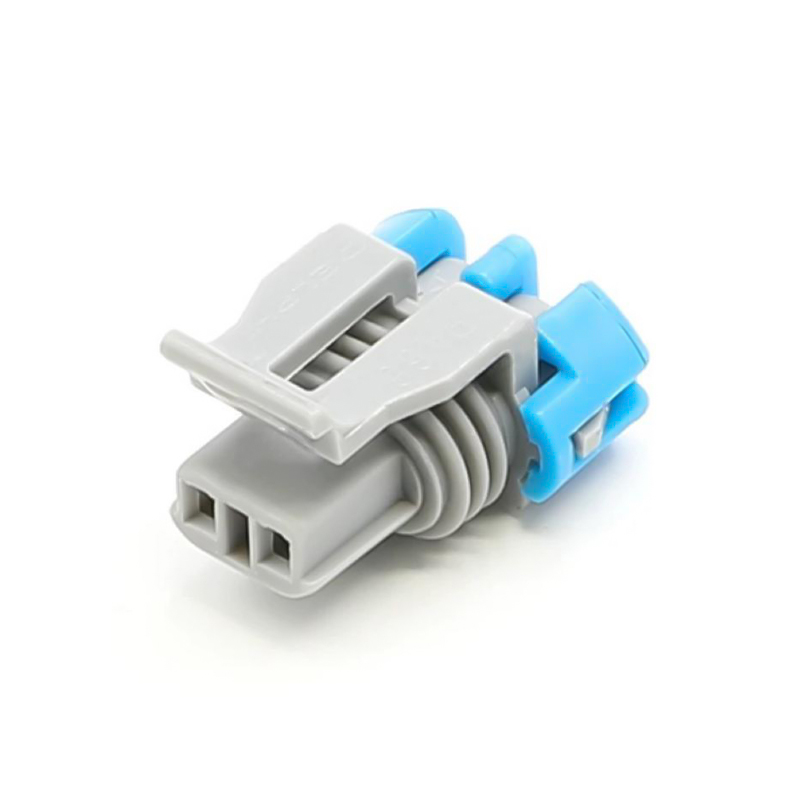
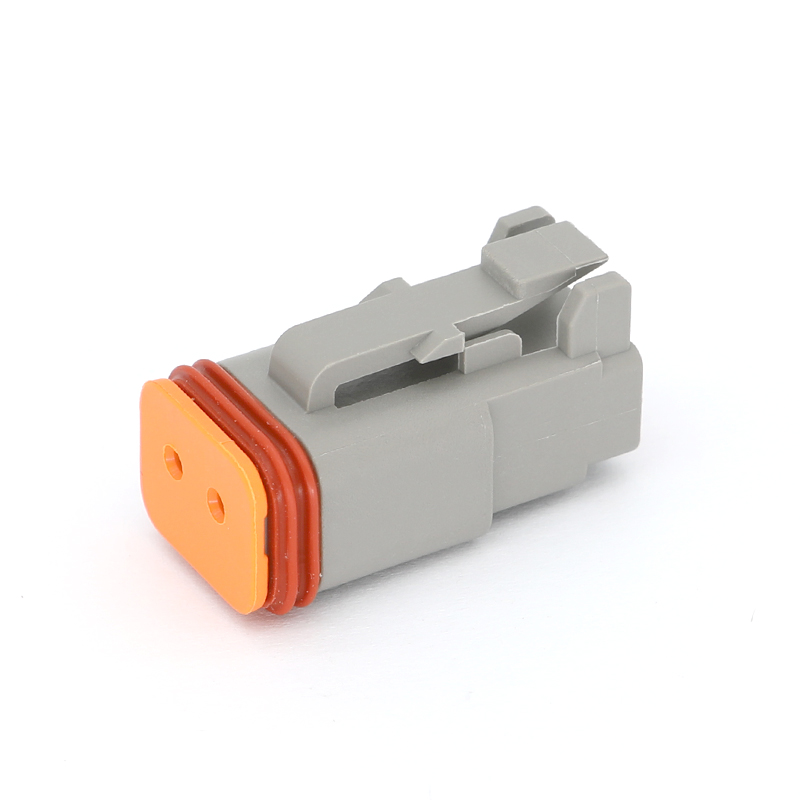
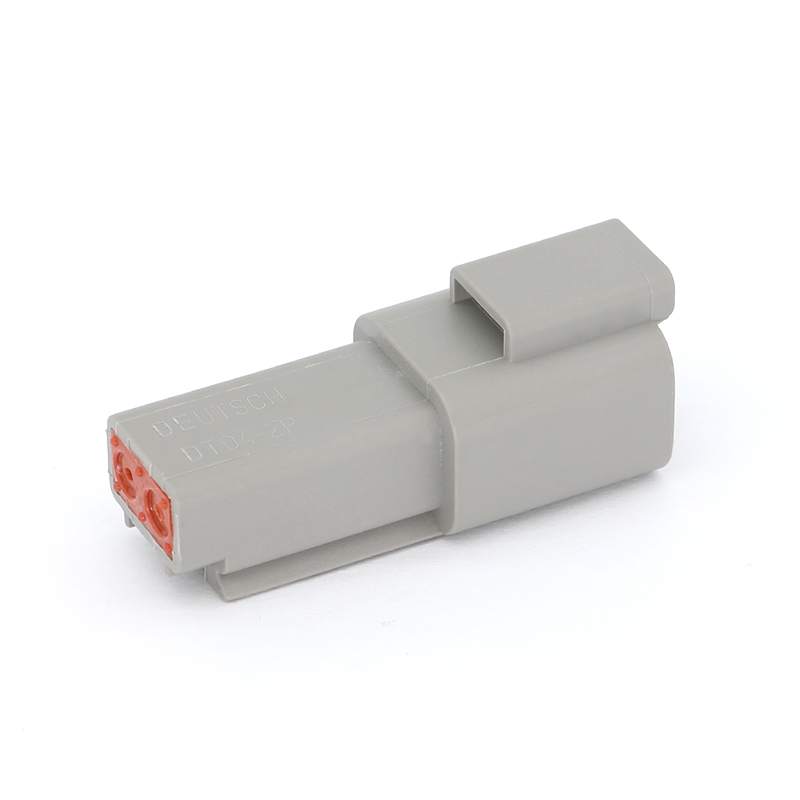
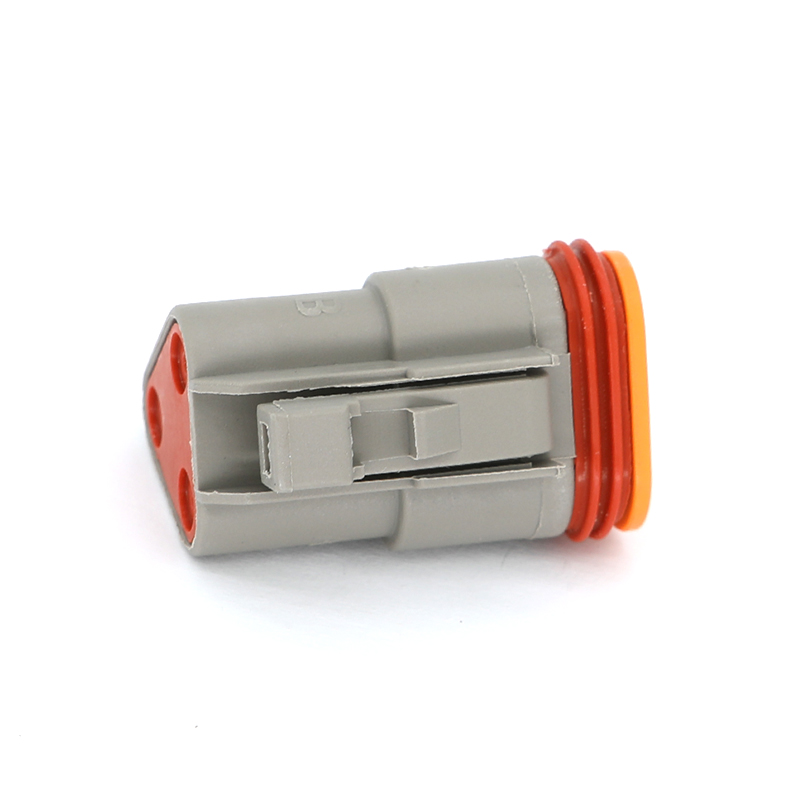
In the increasingly complex electronic architecture of modern vehicles, a fundamental component ensures the seamless flow of power and data: the 2 Pin Auto Electrical Connector. These small but critical devices serve as the primary interface for countless electrical circuits, forming the basic building blocks of a car's nervous system. Their reliable performance is foundational to vehicle functionality, safety, and comfort.
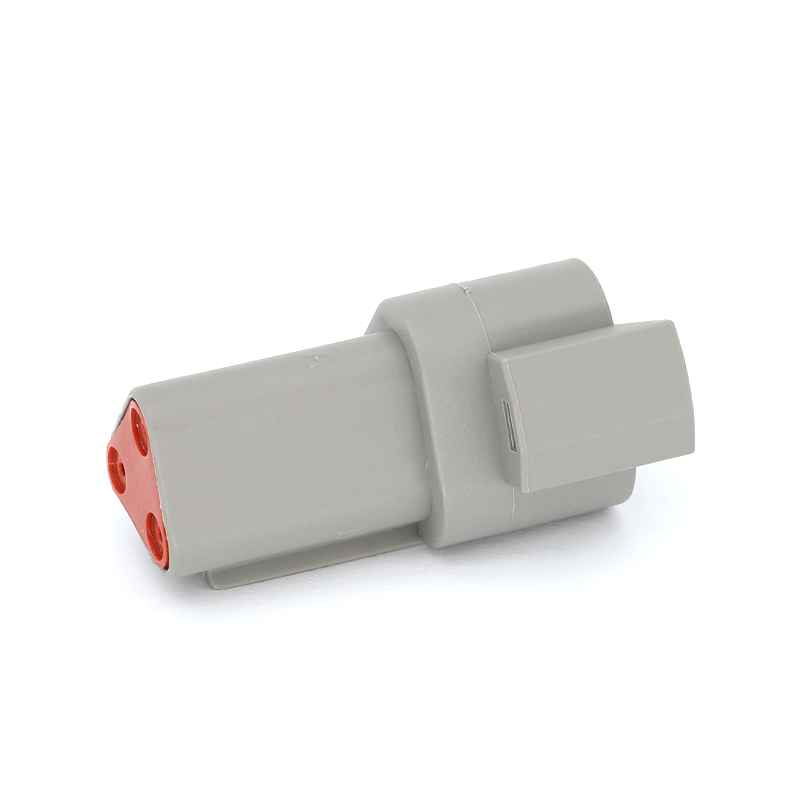
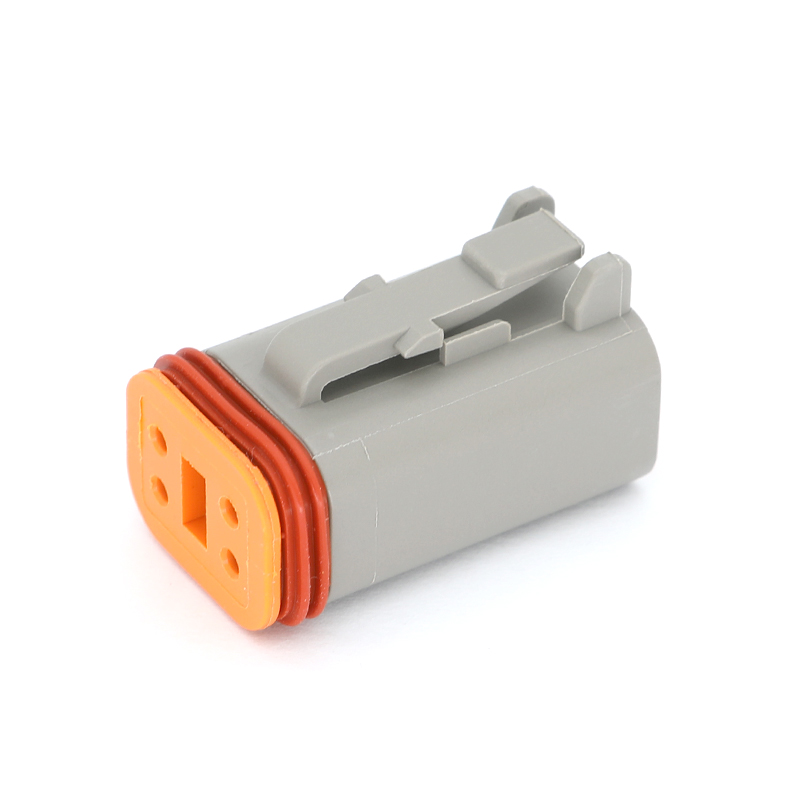
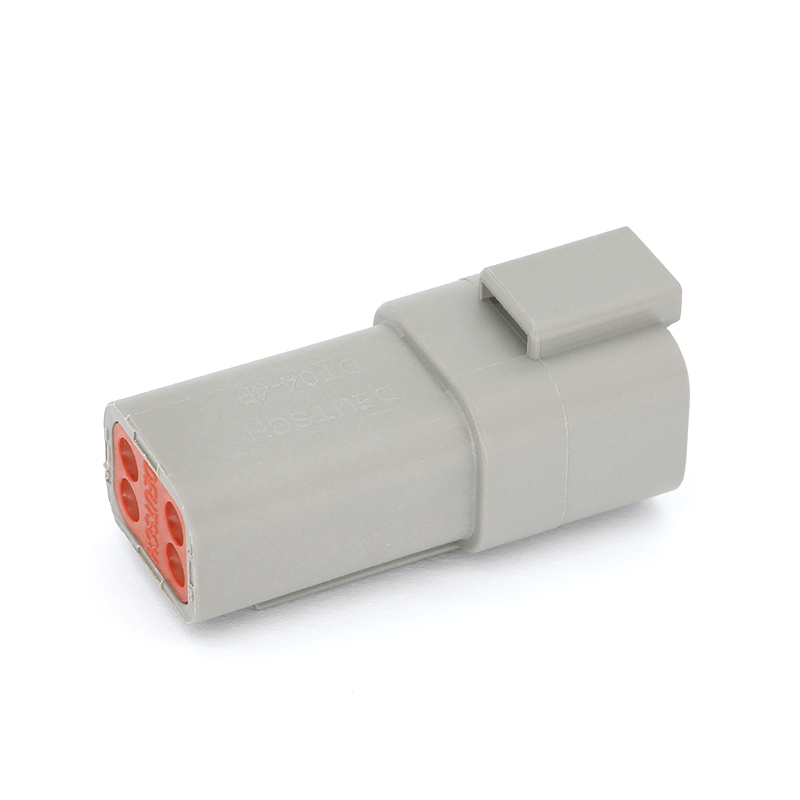
The design and application of a 2 Pin Auto Electrical Connector prioritize secure, consistent electrical contact and environmental protection. Typically composed of a male and female terminal pair housed within a plastic insulator, these connectors are engineered for straightforward mating and a firm locking mechanism to prevent accidental disconnection. The "2 pin" configuration is ubiquitous, providing a simple and cost-effective solution for completing circuits for a vast array of automotive components. From powering interior lights, sensors, and switches to connecting auxiliary devices and control modules, the 2 Pin Auto Electrical Connector is a workhorse of automotive assembly.
The operating environment for any automotive part is demanding, and 2 Pin Auto Electrical Connectors are specifically engineered to meet these challenges. They must maintain integrity despite constant vibration, exposure to temperature bads, and potential contact with moisture, dust, and automotive fluids. Manufacturers achieve this through robust material selection, using high-grade thermoplastics for the housing and corrosion-resistant metals for the pins. Many connectors feature integrated seals, creating a waterproof barrier that is essential for under-hood applications or connections within door panels. This durability ensures that a simple 2 Pin Auto Electrical Connector can reliably perform for the lifespan of the vehicle.
The proliferation of electronic features in today's automobiles, from advanced driver-assistance systems (ADAS) to enhanced infotainment, has not diminished the relevance of the basic 2 Pin Auto Electrical Connector. Instead, it has underscored its importance as a reliable solution for secondary circuits and peripheral devices. While high-speed data networks manage complex communication between major control units, the 2 Pin Auto Electrical Connector continues to handle essential power delivery and simple signal transmission for countless ancillary functions. Its simplicity is a key advantage, facilitating easier diagnostics, repairs, and aftermarket installations for technicians.
Standardization is another critical aspect of the 2 Pin Auto Electrical Connector ecosystem. Common terminal sizes, locking tab designs, and color-coding for voltage or circuit identification are employed across the industry. This standardization streamlines the manufacturing process for automakers and suppliers, while also benefiting the aftermarket service and repair sector. A technician can often identify and source a replacement 2 Pin Auto Electrical Connector based on its physical characteristics, supporting efficient maintenance.
Looking forward, the evolution of vehicle technology presents new considerations for even the lots of fundamental components. The transition towards higher voltage systems in electric and hybrid vehicles requires connectors designed for increased electrical loads, potentially influencing materials and safety features in future 2 Pin Auto Electrical Connector designs. Furthermore, the industry-wide focus on manufacturing sustainability is prompting developments in connector materials, including the exploration of recyclable or bio-based plastics for housings.
The 2 Pin Auto Electrical Connector exemplifies how foundational components enable automotive innovation. As vehicles become more sophisticated, the demand for reliable, durable, and standardized interconnection solutions remains constant. These connectors may be small and often out of sight, but their role in establishing and maintaining the electrical integrity of every circuit is indispensable, proving that in the world of automotive electronics, the simplest connections are frequently the lots of vital.