
 English
 русский
 Español
 عربى
عربى 简体中文
简体中文2 Pin Connector Basics for Electrical Use
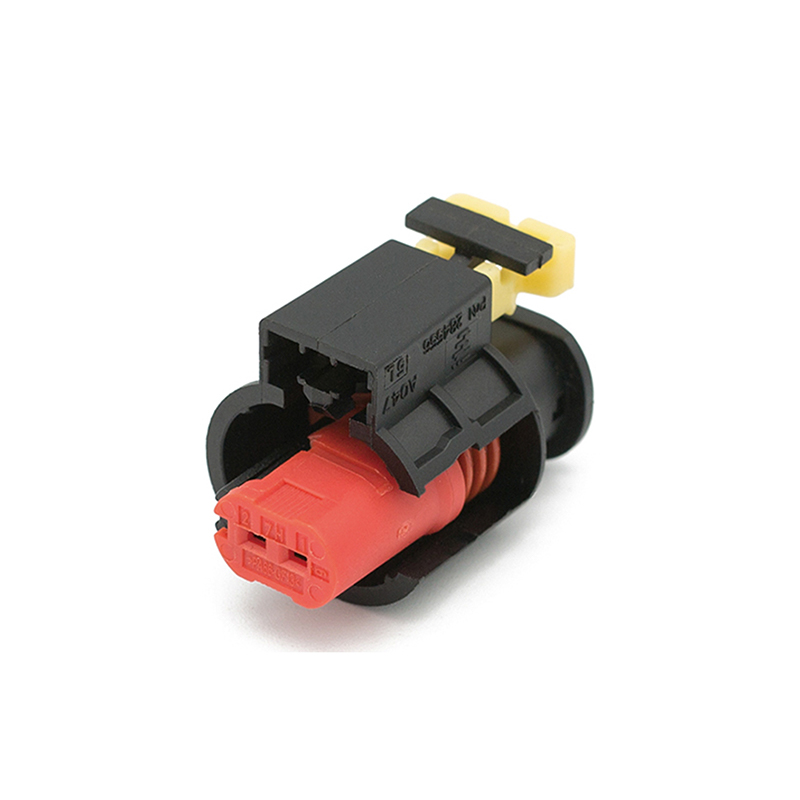
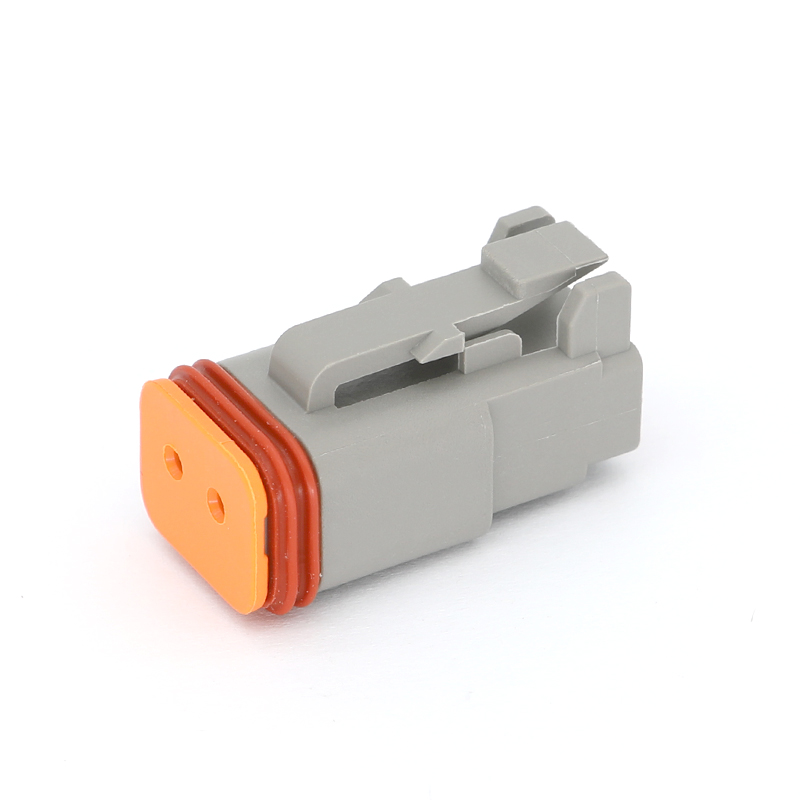
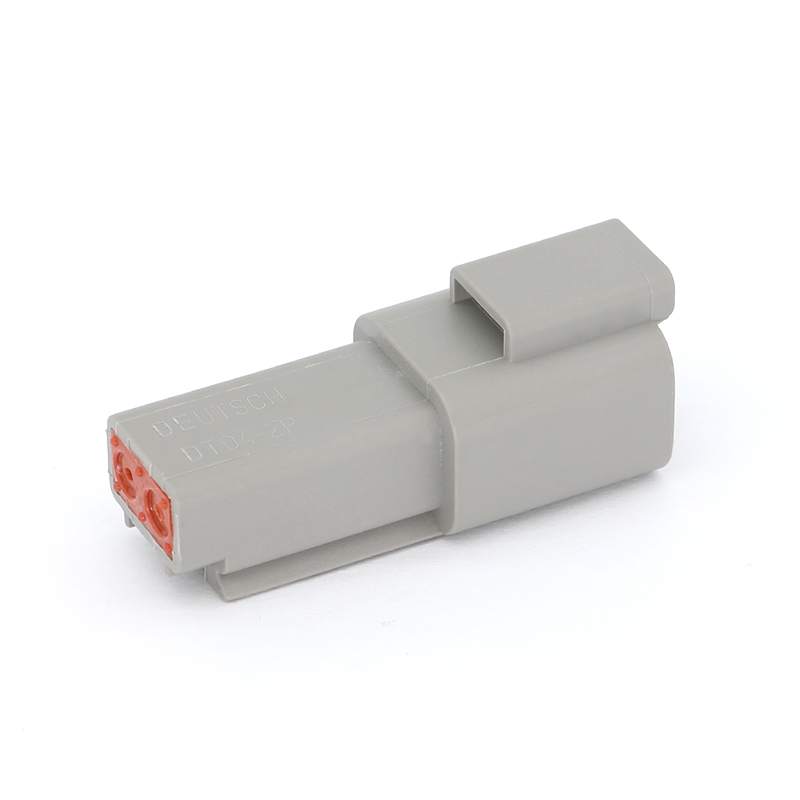
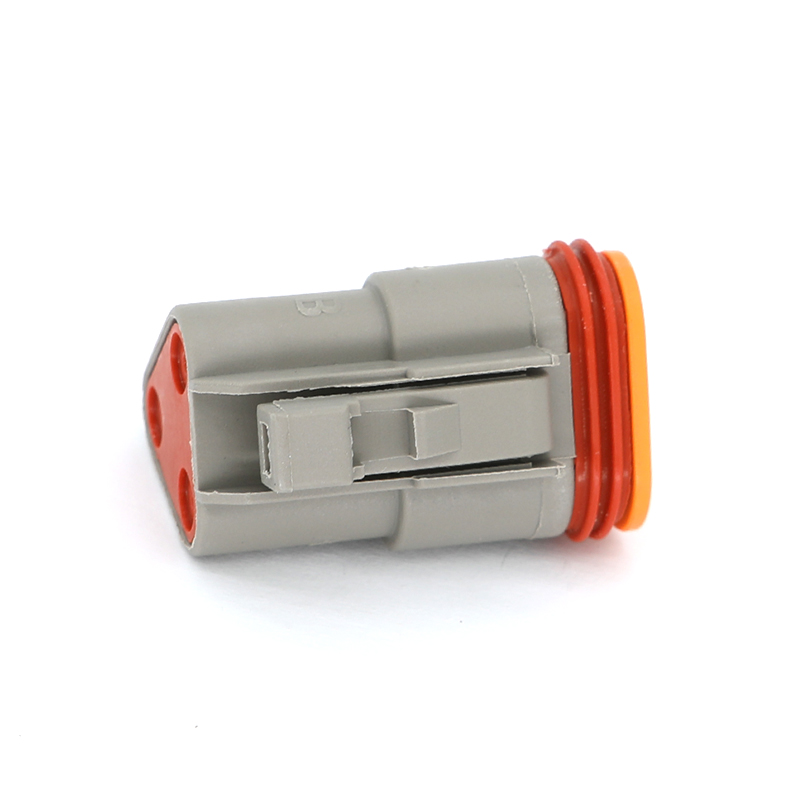
The 2 pin connector continues to serve as a basic component in electrical and electronic systems worldwide. This simple interface consists of two conductive terminals housed within an insulating body, designed to transmit power or signals between separate devices. A 2 pin connector appears in numerous settings, from household appliances to industrial control panels. The configuration of a 2 pin connector typically includes one male side with protruding pins and one female side with receiving sockets. When joined, the two halves create a continuous electrical path. The reliability of a 2 pin connector depends on factors such as terminal material, contact pressure, and environmental sealing. Many engineers select a 2 pin connector for applications requiring straightforward connectivity without the complexity of multi-pin alternatives.
Several variants of the 2 pin connector exist for different use cases. The rectangular 2 pin connector is common in printed circuit board applications, where it provides a detachable link between board-mounted components and external wiring. The cylindrical 2 pin connector, often called a barrel connector, appears in power supply units for small electronics. The terminal block style of 2 pin connector uses screw clamps to secure stripped wire ends, making it popular in building wiring and control cabinets. Each type of 2 pin connector has specific current and voltage ratings. A typical 2 pin connector handles currents from 2 to 15 amperes and voltages up to 250 volts in alternating current systems. Lower-rated versions of the 2 pin connector serve signal-level applications with currents below 1 ampere.
Material selection directly affects the performance of a 2 pin connector. The terminals are usually made of brass or phosphor bronze, materials that offer good electrical conductivity and mechanical strength. Many 2 pin connector terminals receive a tin or gold plating to resist corrosion and reduce contact resistance. The housing of a 2 pin connector is typically molded from thermoplastic or thermoset plastic, providing electrical insulation and physical protection. Some outdoor-rated versions of the 2 pin connector add rubber gaskets or O-rings to prevent moisture ingress. The operating temperature range for a standard 2 pin connector falls between minus 25 and plus 85 degrees Celsius, though specialized versions extend these limits.
Installation of a 2 pin connector requires attention to wire preparation and termination method. For crimp-style connectors, a user strips the wire insulation to the specified length, inserts the bare conductor into the terminal, and compresses the crimp barrel with a dedicated tool. For solder-style connectors, the user heats the terminal and applies solder to form a permanent joint. Regardless of termination style, a properly installed 2 pin connector should show no loose strands or exposed conductor beyond the housing.
Maintenance considerations for a 2 pin connector include periodic inspection for signs of overheating, corrosion, or mechanical damage. A discolored housing or melted plastic around a 2 pin connector indicates excessive current or poor contact resistance. Cleaning a 2 pin connector involves applying an electrical contact cleaner and inserting the male pins several times to remove oxidation. Loose connections in a 2 pin connector can cause voltage drops or intermittent operation, so users should check that locking latches or friction holds remain secure. The 2 pin connector remains a practical choice for designers seeking a balance between simplicity and functionality. Its continued presence in new products suggests that the basic two-terminal interface still meets many requirements without the need for more complex solutions.