
 English
 русский
 Español
 عربى
عربى 简体中文
简体中文4 Pin Auto Connector Powers Vehicle Circuits
4 pin auto connector is a common and versatile component found in countless vehicle electrical systems, providing connections for lighting, sensors, actuators, and control modules. With four terminals available, a 4 pin auto connector can carry power, ground, and two separate signals, making it suitable for a wide range of automotive applications from taillights to engine sensors.
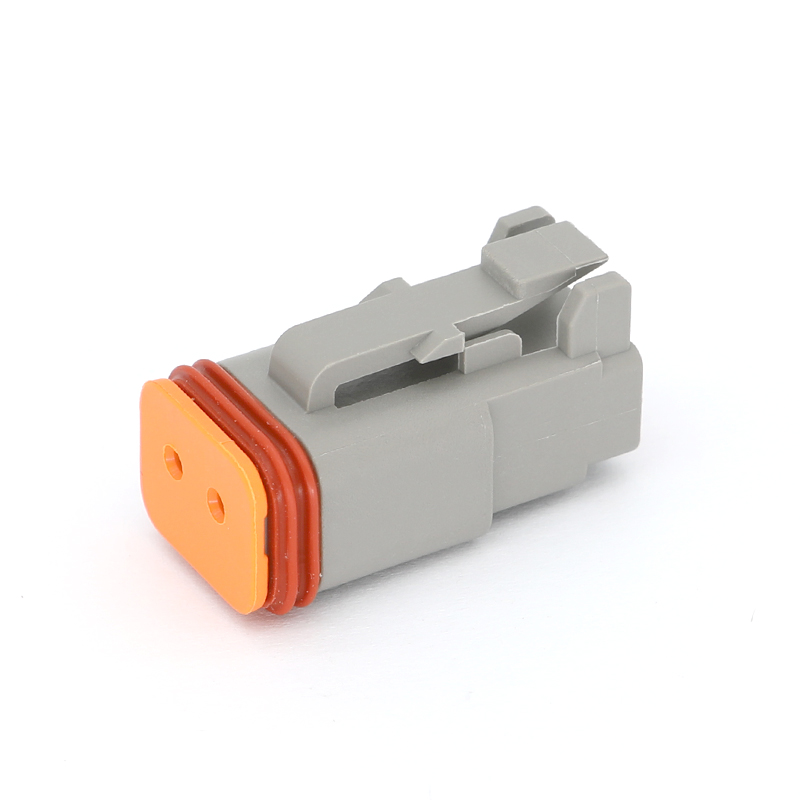
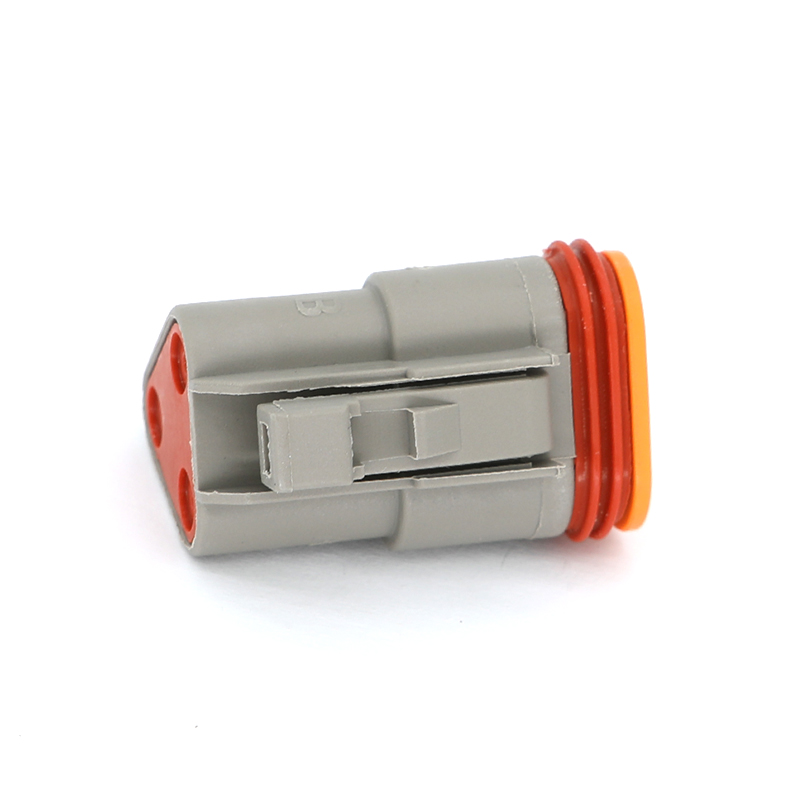
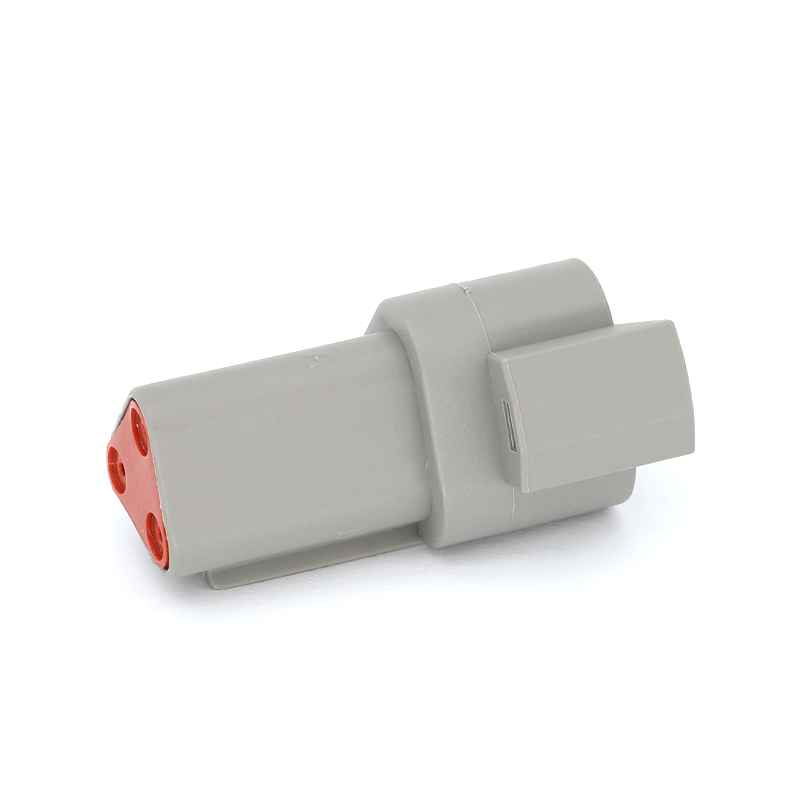
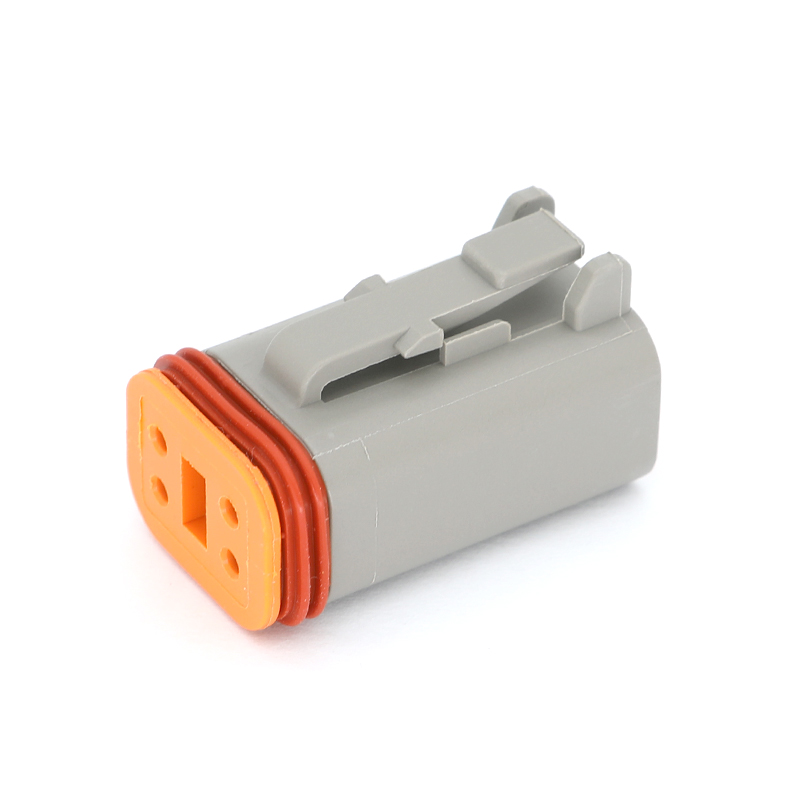
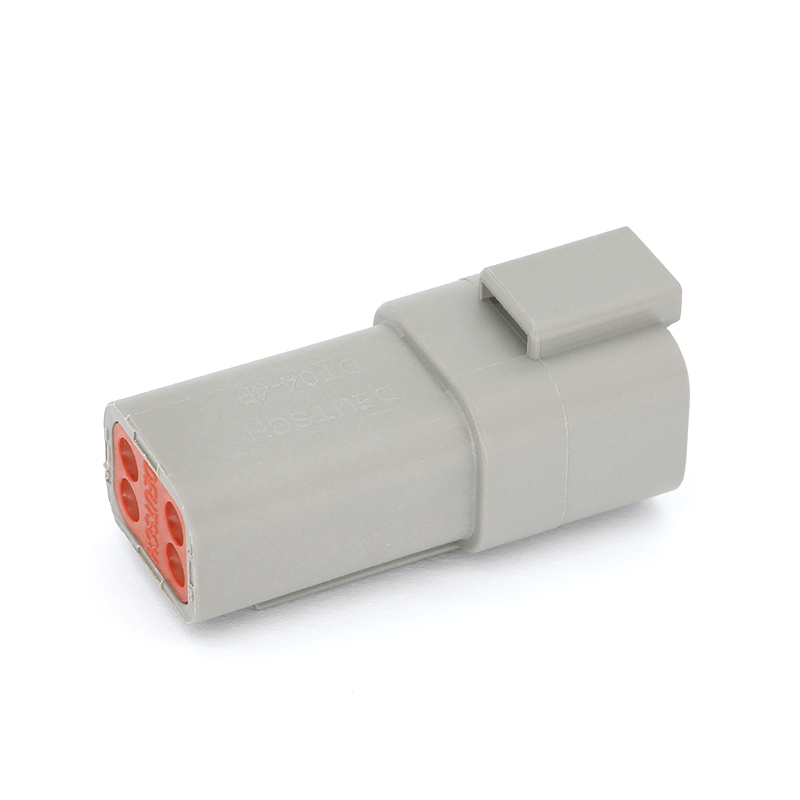
The basic design of a 4 pin auto connector includes a plastic housing with four male or female terminals arranged in a row or square pattern. The connector halves lock together with a latch or clip that prevents separation due to vibration. Each terminal is crimped onto a wire, then inserted into the housing until it clicks. The four-pin configuration offers more functionality than a two-pin connector while remaining compact enough for tight engine bay spaces.
The extra pins in a 4 pin auto connector enable more complex functions. For example, a trailer lighting connector uses four pins: left turn signal, right turn signal, tail lights, and ground. A cooling fan connector might use power, ground, a speed control signal, and a feedback wire that reports fan operation to the engine computer. A four-pin connector for a fuel injector might carry power, ground, and two control signals for precise injection timing.
Sealing options for 4 pin auto connectors protect against harsh environments. Unsealed connectors work well inside the passenger cabin or trunk, where moisture is minimal. Sealed connectors incorporate rubber gaskets at the wire entry and a silicone seal between the connector halves, keeping water, salt, and dirt away from the terminals. A sealed 4 pin auto connector allows sensors mounted on the engine, transmission, or wheel hubs to function reliably in rain, snow, and car washes.
Terminal types vary by application. Standard pin and socket terminals are suitable for many connections, providing good current capacity and reliable contact. Larger terminals handle higher currents for devices such as fuel pumps or headlights. Smaller terminals suit low-current signal circuits such as temperature sensors or position switches. A well-designed 4 pin auto connector may mix terminal sizes in the same housing, with two large terminals for power and ground and two smaller ones for signals.
The locking mechanism of a 4 pin auto connector deserves attention. A secondary lock, also called a terminal position assurance device, slides over the terminals after they are inserted, preventing them from backing out of the housing. This secondary lock is especially important in high-vibration applications such as engine harnesses. Some connectors also include a lever that reduces the force required to mate the connector halves, which helps when working in cramped spaces.
Weatherpack and Metripack are common families of 4 pin auto connectors. Weatherpack connectors feature silicone seals and are widely used for exterior lighting and sensor connections. Metripack connectors offer higher current capacity and are found under the hood for fuel injection and ignition systems. Both designs use standardized terminal sizes and housings, making replacement and repair straightforward with commonly available parts.
For automotive electrical work ranging from trailer wiring to engine sensor replacement, the 4 pin auto connector offers the right balance of pin count, compact size, and environmental protection. It connects reliably, withstands under-hood conditions, and can be repaired when necessary. Whether on a factory assembly line or in a home garage, the 4 pin auto connector keeps vehicle circuits connected and functioning.