
 English
 русский
 Español
 عربى
عربى 简体中文
简体中文2 Pin Auto Connectors Reliably Wire Vehicles
2 pin auto electrical connectors are among the widely used components in vehicle wiring systems, providing reliable connections for lights, sensors, switches, and other electrical devices. Despite their simple appearance, a quality 2 pin auto electrical connector plays a critical role in keeping a vehicle’s electrical system functioning properly, year after year.
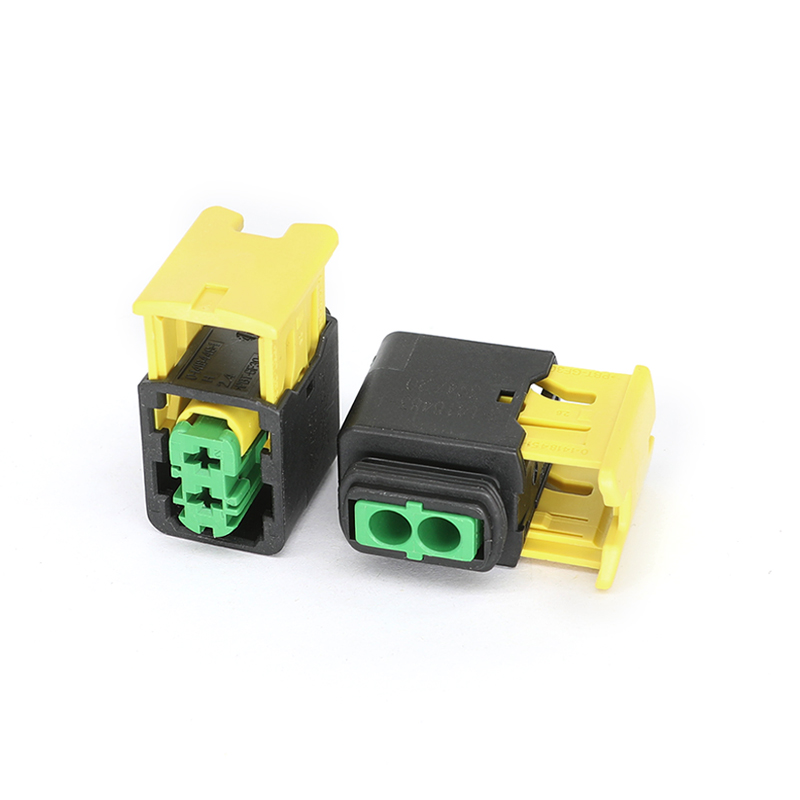
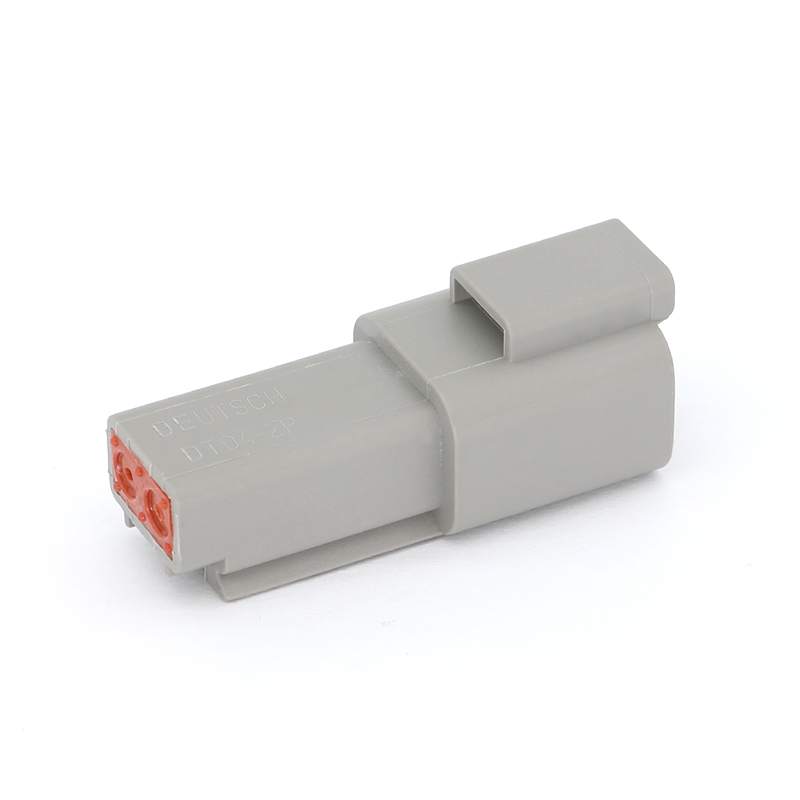
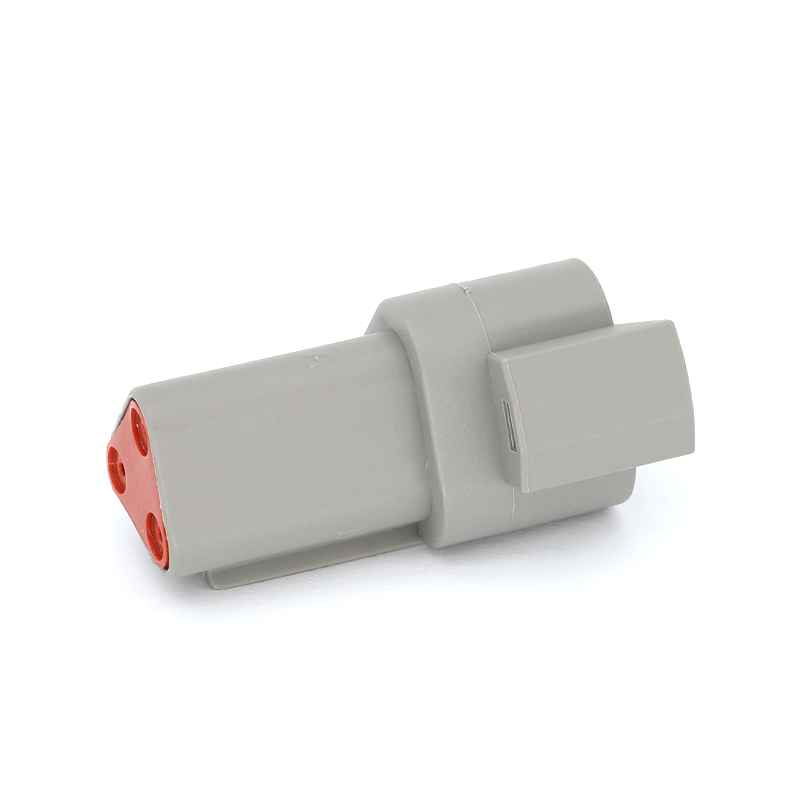
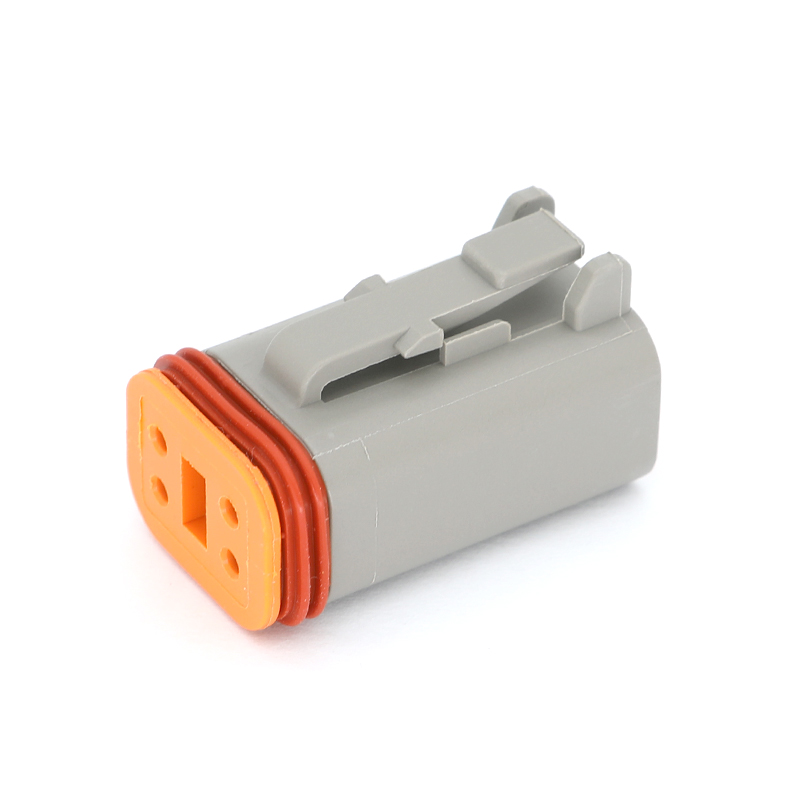
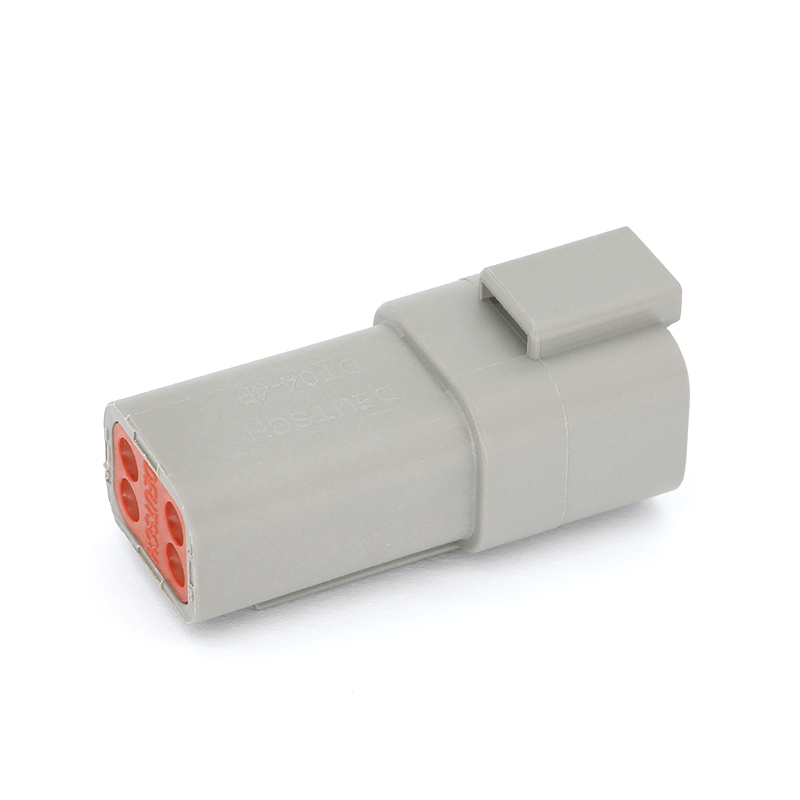
The basic design of a 2 pin auto electrical connector includes two male terminals inside a plastic housing and two female terminals in a matching housing. When the two halves are pushed together, the terminals make contact, completing the circuit. The connector is typically held closed by a latch or locking tab that prevents accidental separation due to vibration. This simple but effective design has been used in vehicles for decades because it works.
Durability is a key feature of a quality 2 pin auto electrical connector. The terminals are made from brass or copper alloys, which conduct electricity efficiently, and are plated with tin or gold to resist corrosion. The plastic housing is typically made from materials that withstand under-hood temperatures, exposure to oil and fuel, and vibration. A well-made 2 pin auto electrical connector can last the life of the vehicle, surviving thousands of hours of operation without failure.
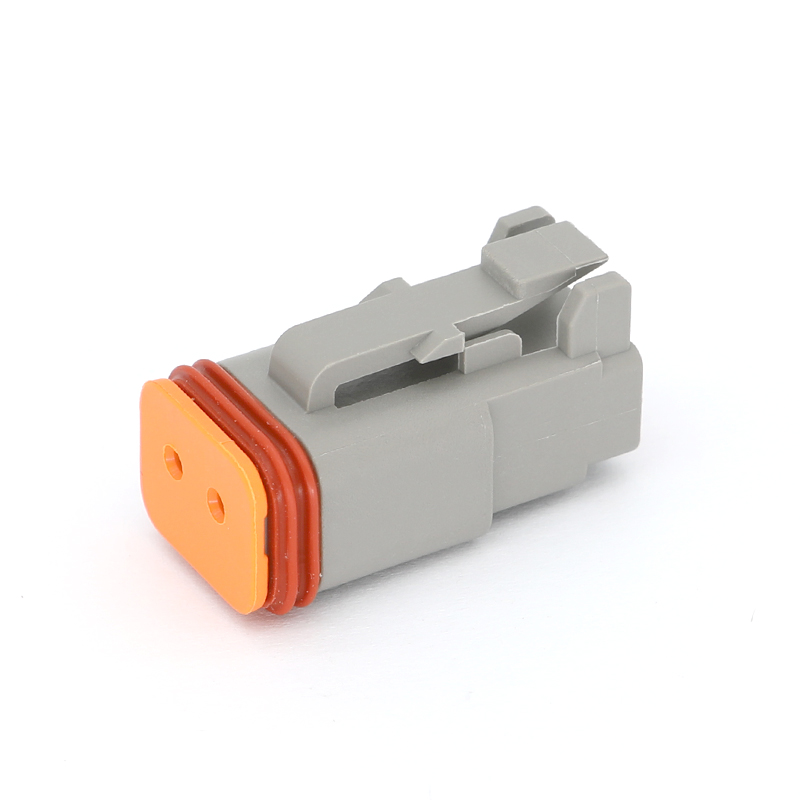
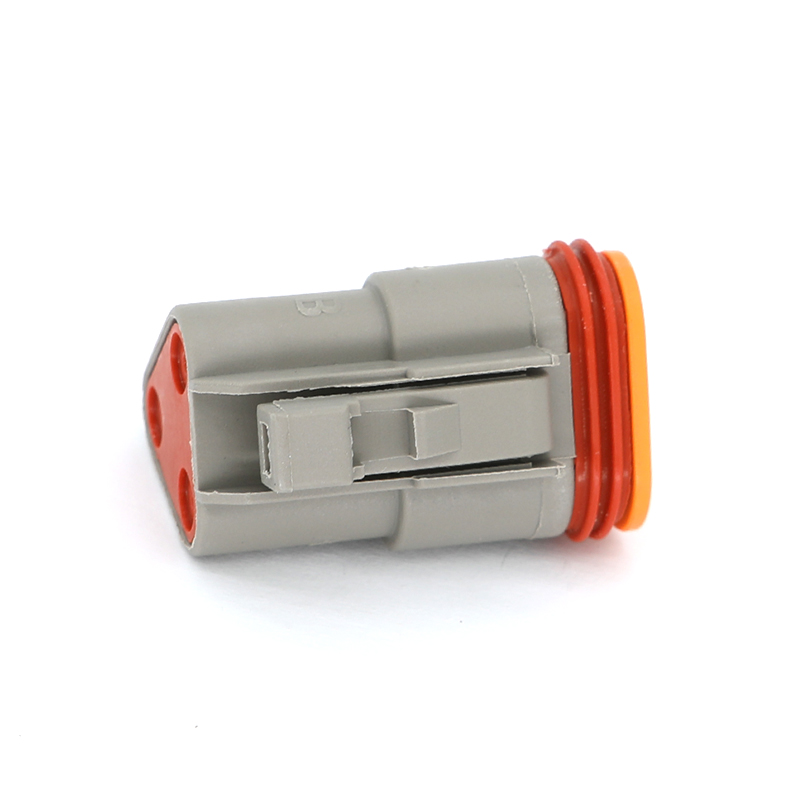
Sealing options protect against moisture. Standard unsealed 2 pin auto electrical connectors are suitable for interior applications such as dashboard wiring or door harnesses where water exposure is minimal. For under-hood, exterior, or chassis locations, sealed connectors with rubber gaskets or silicone seals prevent water, dirt, and salt from reaching the terminals. A sealed 2 pin auto electrical connector allows the electrical system to function even after driving through deep puddles or washing the engine bay.
The ease of installation makes 2 pin auto electrical connectors popular among vehicle manufacturers and repair technicians. The terminals are crimped onto wires using a specialized crimping tool, then inserted into the housing until they click into place. No soldering is required, which speeds up production and reduces the chance of cold solder joints. For repairs, a technician can remove a terminal from the housing using a small pick tool, then replace it without cutting the wire.
Color coding and keying prevent incorrect connections. A 2 pin auto electrical connector housing may be made in different colors to indicate its function, such as black for ground circuits, red for power, or blue for sensor signals. The shape of the housing is often asymmetrical or includes a keying rib that allows the connector to be inserted only one way. This prevents a technician from accidentally reversing the polarity, which could damage sensitive electronics.
Common applications for 2 pin auto electrical connectors include turn signal lights, brake light switches, coolant temperature sensors, horn circuits, and electric fan motors. In each case, two wires are sufficient: one power or signal wire and one ground wire. The simplicity of two-pin connections means fewer potential failure points than multi-pin connectors, which is an advantage in applications where reliability matters more than complexity.
For any vehicle electrical repair or custom wiring project, 2 pin auto electrical connectors provide a reliable, affordable, and easy-to-use solution. They connect wires securely, resist vibration and corrosion, and allow disconnection for future service. From factory assembly lines to home garages, the 2 pin auto electrical connector does its job without fuss, keeping vehicle electrical systems powered and protected.