
 English
 русский
 Español
 عربى
عربى 简体中文
简体中文6 Pin Connector Powers Everyday Electronics
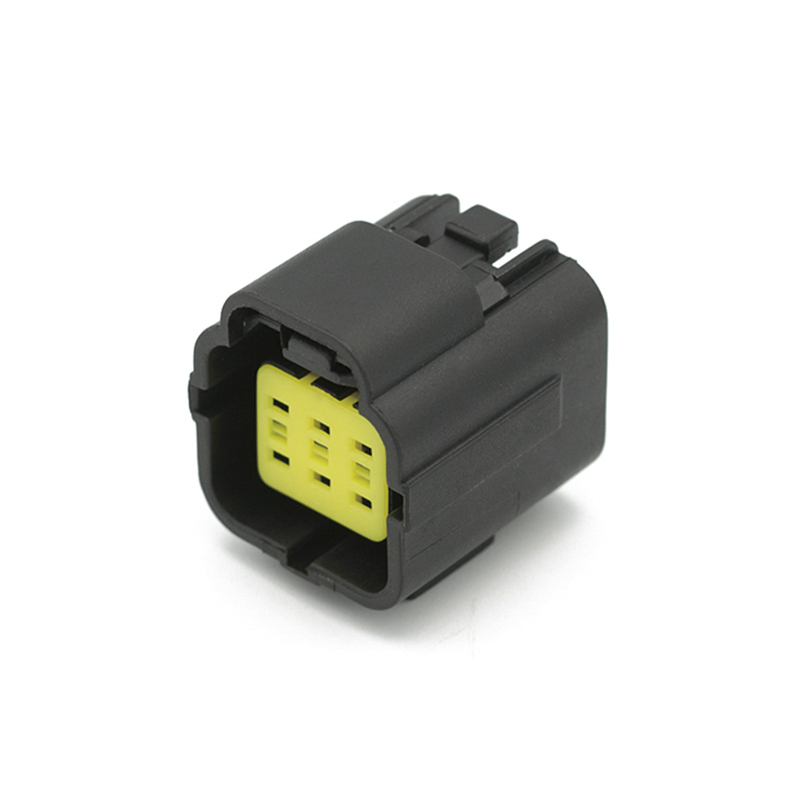
6 pin connector has become a common but critical component in modern electronics, as new market data shows that demand for these small, reliable interfaces continues to grow across consumer devices, industrial equipment, and automotive systems. Despite its modest size, the 6 pin connector plays an essential role in transmitting power, signals, or both between different parts of a device.
A 6 pin connector typically consists of six metal terminals housed inside a plastic or metal shell. Each terminal serves a specific purpose—carrying positive voltage, ground, or data signals. The design ensures that users cannot insert the connector the wrong way, protecting both the connector and the equipment. These connectors appear in countless everyday products, including computer peripherals, medical devices, security cameras, and lighting systems.
The popularity of the 6 pin connector stems from its balance of simplicity and capability. Two-pin or three-pin connectors are common for basic power delivery but lack the capacity for multiple signals. Larger connectors with ten or more pins offer more functions but take up more space and cost more to manufacture. The 6 pin connector sits in the middle, providing enough pins for many common applications while remaining small enough for compact devices.
Manufacturing quality varies significantly among 6 pin connectors. Better versions use gold-plated contacts, which resist corrosion and maintain a consistent electrical connection over many insertions. Lower-cost versions may use tin-plated contacts, which work adequately for occasional use but can degrade faster in humid or dusty environments. Buyers often choose based on expected usage frequency and environmental conditions.
Installation requires attention to detail. Each of the six wires must be secured to the correct pin position. A single misaligned wire can cause a device to malfunction or fail entirely. Some 6 pin connectors feature keyed housings, which physically prevent incorrect assembly. Others rely on color-coded wires or numbered positions. Professional installers often use a pull test after assembly, gently tugging each wire to confirm it is locked in place.
Failure rates for 6 pin connectors are generally low when properly installed and used within their rated specifications. However, problems can arise from repeated plugging and unplugging, exposure to moisture, or mechanical stress on the cable. A worn connector may develop intermittent connections, causing devices to work sometimes but not others. Replacing a faulty 6 pin connector is usually straightforward, requiring only basic hand tools and a few minutes of work.
The rise of modular product design has increased the use of 6 pin connectors. Many manufacturers now build devices with internal connectors that allow different sections to be assembled separately and then joined during final production. This approach simplifies repair as well—a failed circuit board can be replaced without soldering by simply unplugging the 6 pin connectors and plugging in a new board.
Challenges remain in standardization. Not all 6 pin connectors follow the same pinout arrangement, meaning a connector from one device may not work with another even if it fits physically. Users must check documentation to confirm that the pin assignments match. Some industries have adopted informal standards, but universal agreement does not exist. This lack of standardization can frustrate technicians who work with equipment from multiple sources.
The 6 pin connector faces competition from smaller, high-density connectors that pack more pins into less space. However, these alternatives often require specialized tools for assembly and are more difficult to repair in the field. For many applications, the familiar 6 pin connector remains the practical choice—reliable enough for daily use, simple enough for quick repair, and widely available wherever electronic components are sold.