
 English
 русский
 Español
 عربى
عربى 简体中文
简体中文8 Pin Connector Remains Essential in Electronics
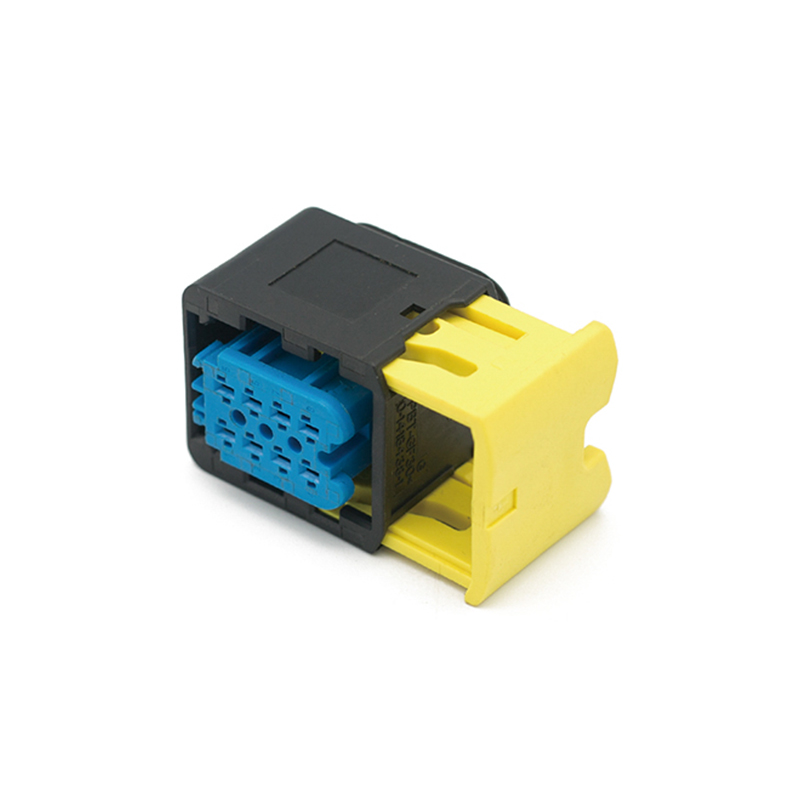
The electronics industry relies on a vast array of components to ensure reliable connectivity, and among these, the 8 pin connector occupies a significant position. As devices become more compact while demanding higher performance, the 8 pin connector has evolved to meet the needs of applications ranging from consumer electronics to industrial control systems. The consistency and reliability offered by this component make it a staple in designs where secure signal transmission and power delivery are required.
The versatility of the 8 pin connector contributes to its widespread adoption across multiple sectors. This configuration provides a practical balance between pin count and physical footprint, accommodating applications that require multiple signal paths or a combination of power and data transmission. Designers frequently select the 8 pin connector for applications where space constraints exist but sufficient connections are needed for proper functionality. The standardized nature of many 8 pin connector variants allows for interchangeability across different equipment types, simplifying supply chain considerations.
Manufacturing processes for the 8 pin connector have seen steady refinement as quality expectations continue to rise. Precision in contact placement, housing material selection, and assembly methods directly influences the performance characteristics of the finished component. A well-constructed 8 pin connector maintains consistent contact resistance across all pins, ensuring reliable electrical performance over the product’s lifespan. The materials used in an 8 pin connector typically include durable thermoplastics for the housing and corrosion-resistant alloys for the contacts, contributing to longevity in varied operating environments.
Industrial automation represents a significant application area for the 8 pin connector. Control systems, sensors, and actuators frequently utilize this configuration for field connections. The 8 pin connector provides sufficient pathways for power, signal, and shielding in a single interface, simplifying cabling and reducing installation time. In factory settings where equipment may be connected and disconnected regularly, the mechanical durability of the 8 pin connector becomes particularly important. Robust locking mechanisms and strain relief features ensure that connections remain secure despite routine handling.
Consumer electronics also benefit from the 8 pin connector’s capabilities. Audio equipment, computing peripherals, and power supplies often incorporate this connector type for internal or external connections. The compact size of the 8 pin connector makes it suitable for devices where internal space is at a premium, while its pin configuration allows for multiple functions to be integrated into a single interface. Manufacturers appreciate that a standardized 8 pin connector can serve multiple product lines, reducing inventory complexity.
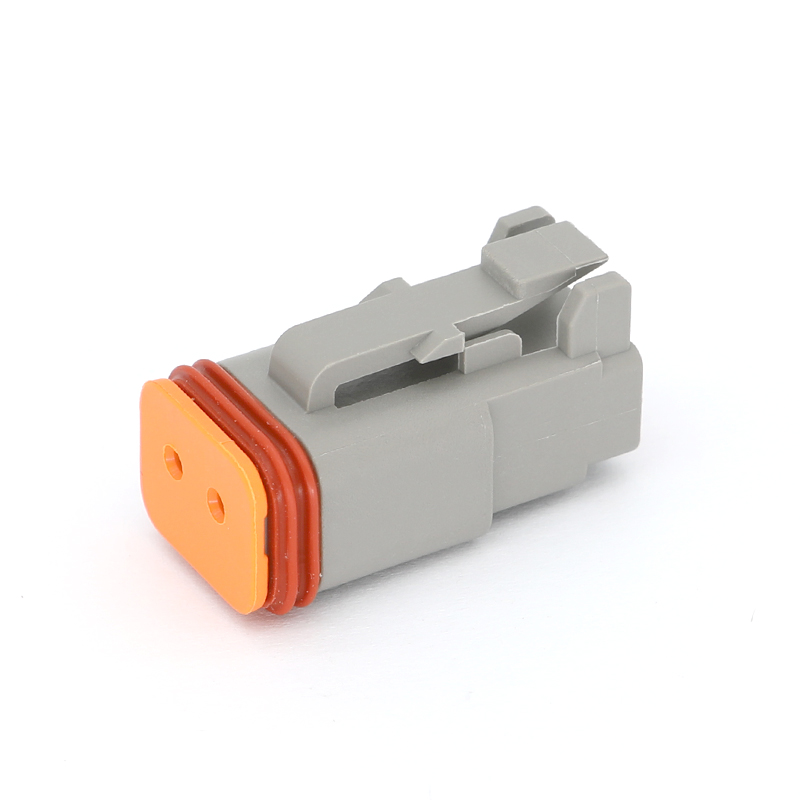
The development of sealed versions of the 8 pin connector has expanded its applicability to challenging environments. Weather-resistant and waterproof variants protect against moisture, dust, and other contaminants, making the 8 pin connector suitable for outdoor equipment and applications where exposure to the elements is a concern. These sealed designs incorporate gaskets and specialized housing materials that maintain protection while preserving the functional characteristics of the connector.
Testing and validation processes for the 8 pin connector have become more comprehensive as performance expectations evolve. Electrical testing verifies contact resistance, insulation resistance, and dielectric strength. Mechanical testing assesses insertion and withdrawal forces, as well as durability over repeated mating cycles. Environmental testing evaluates performance under temperature bad, humidity, and vibration. These quality measures ensure that an 8 pin connector delivered to customers will perform reliably under intended operating conditions.
The 8 pin connector is expected to maintain its relevance as electronic systems continue to develop. Advances in materials and manufacturing techniques will likely yield variants with improved current-carrying capacity and signal integrity. As equipment becomes more sophisticated, the role of the 8 pin connector in providing dependable connectivity will remain essential across the electronics industry.