
 English
 русский
 Español
 عربى
عربى 简体中文
简体中文Auto Connector Ensures Modern Vehicle Reliability
The contemporary automobile is a highly integrated network of electronic systems, managing functions from important engine control and safety features to passenger comfort and infotainment. At the physical heart of this complex network lies a component whose reliability is paramount: the Auto Connector. These specialized electrical interfaces are responsible for creating every junction in a vehicle's wiring harness, linking sensors, actuators, control modules, and power sources. The performance, durability, and precision of the Auto Connector directly influence vehicle functionality, safety ratings, and long-term reliability, making its design and manufacture a critical, high-stakes segment of the automotive supply chain.
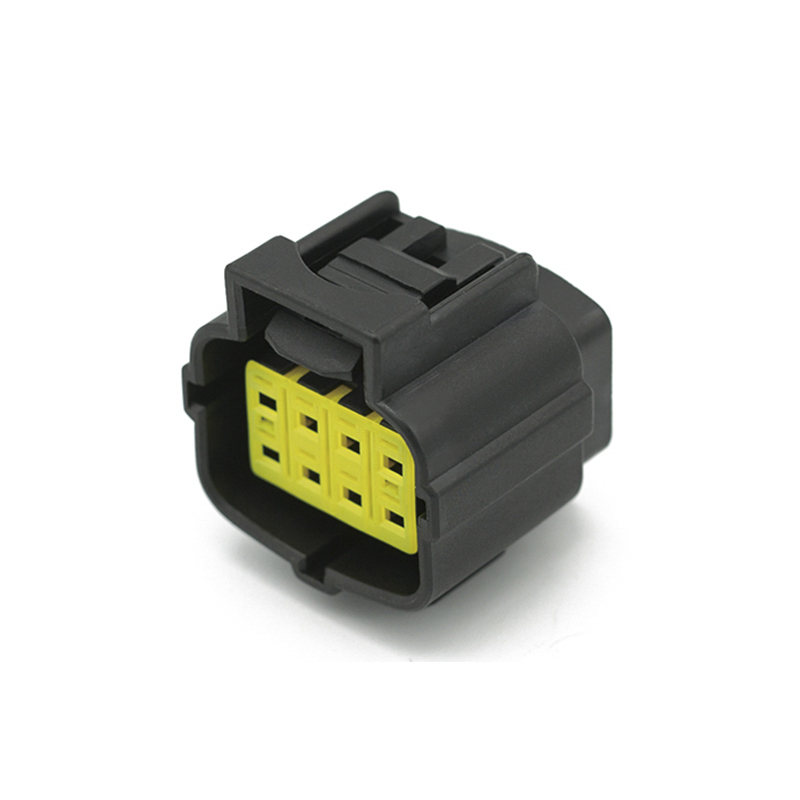
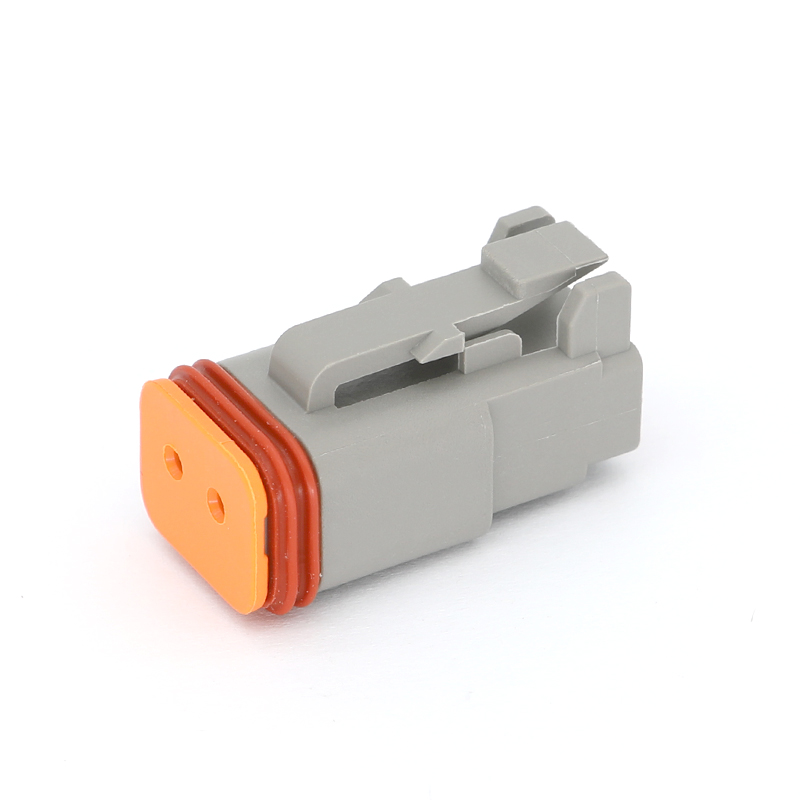
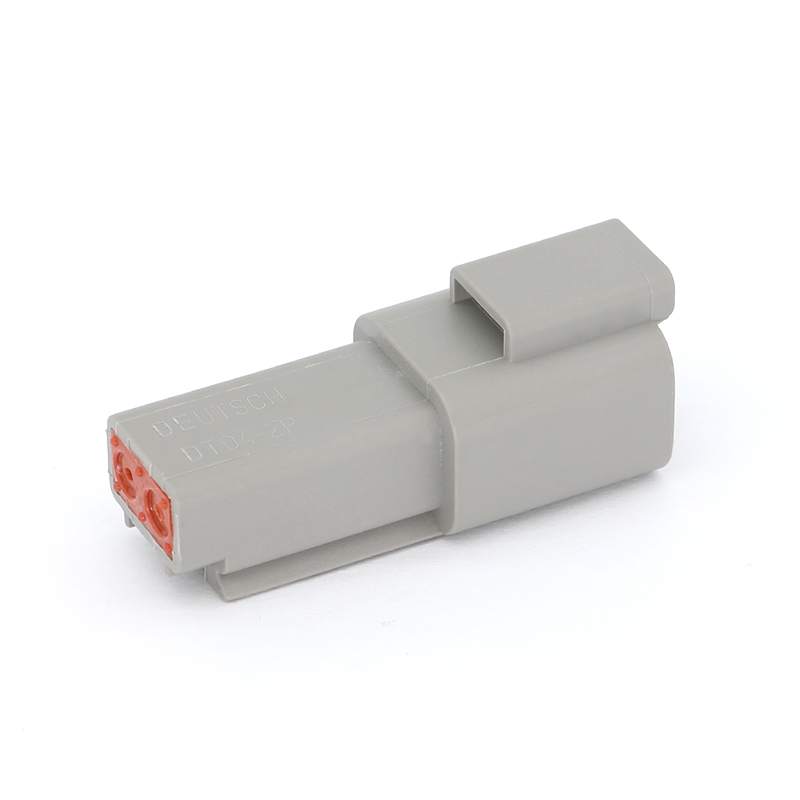
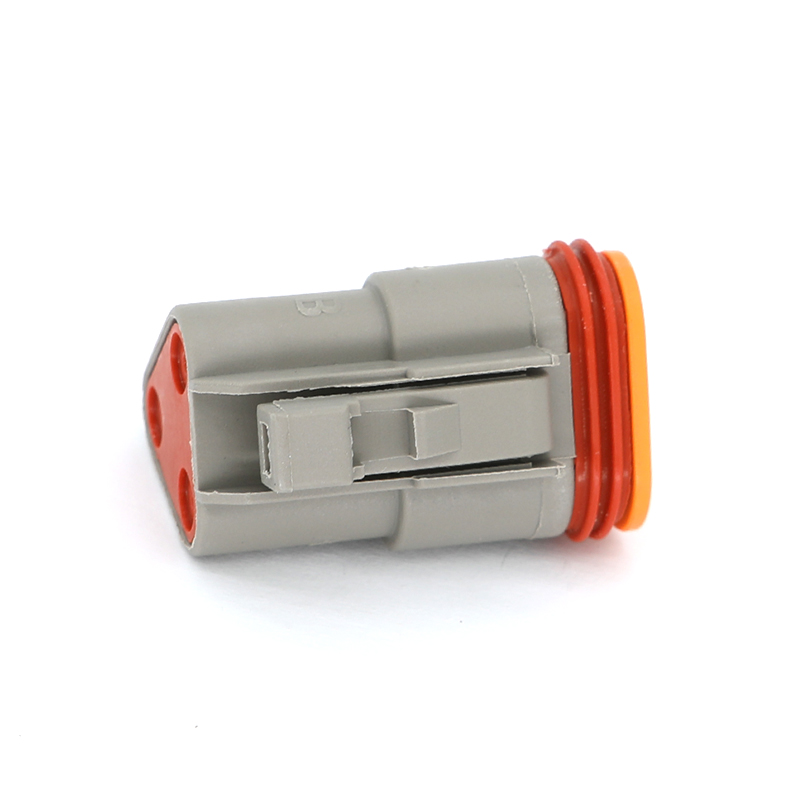
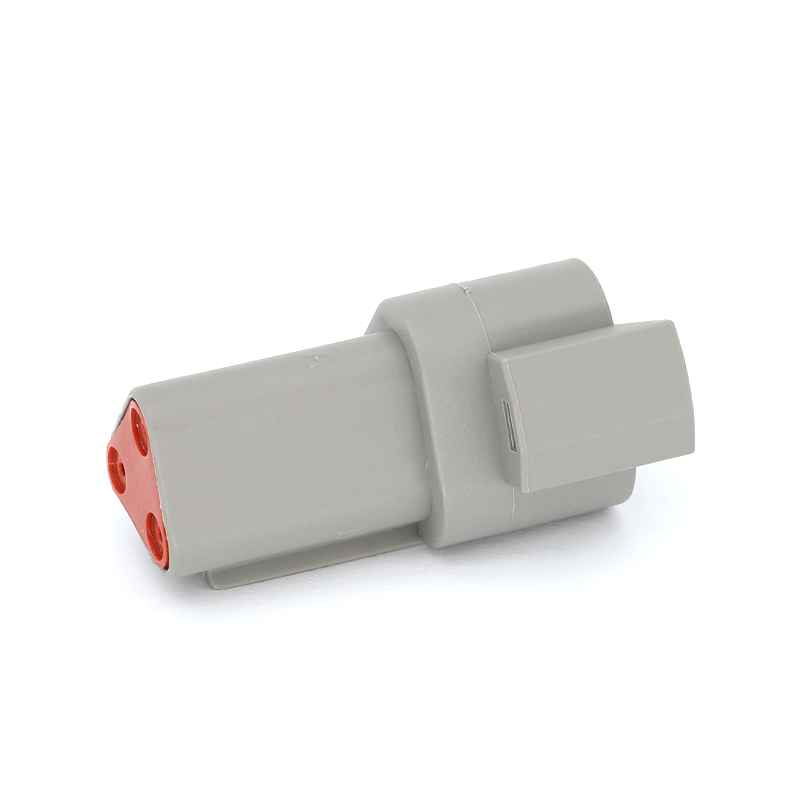
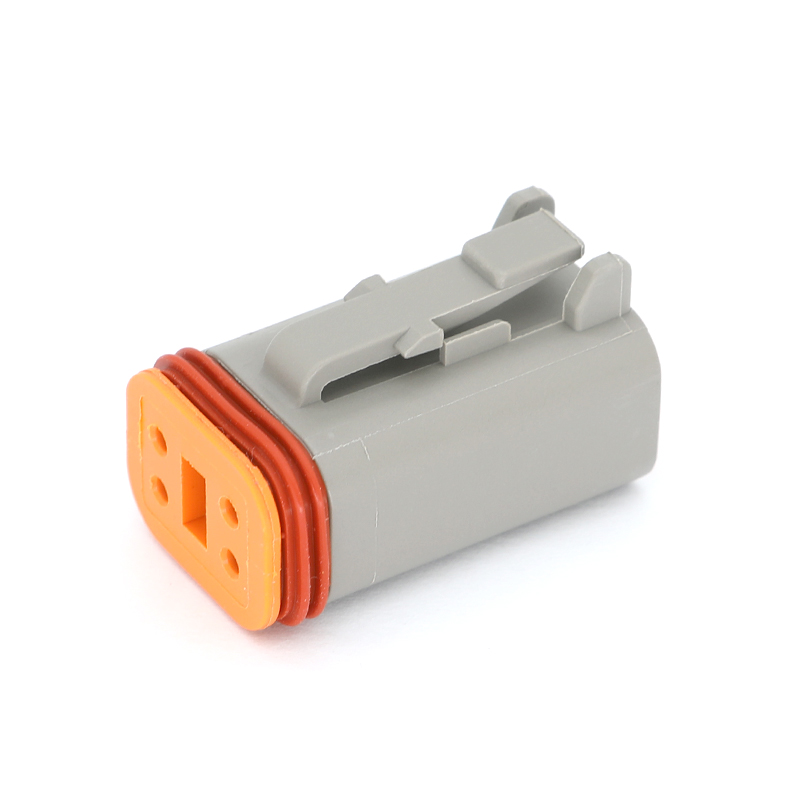
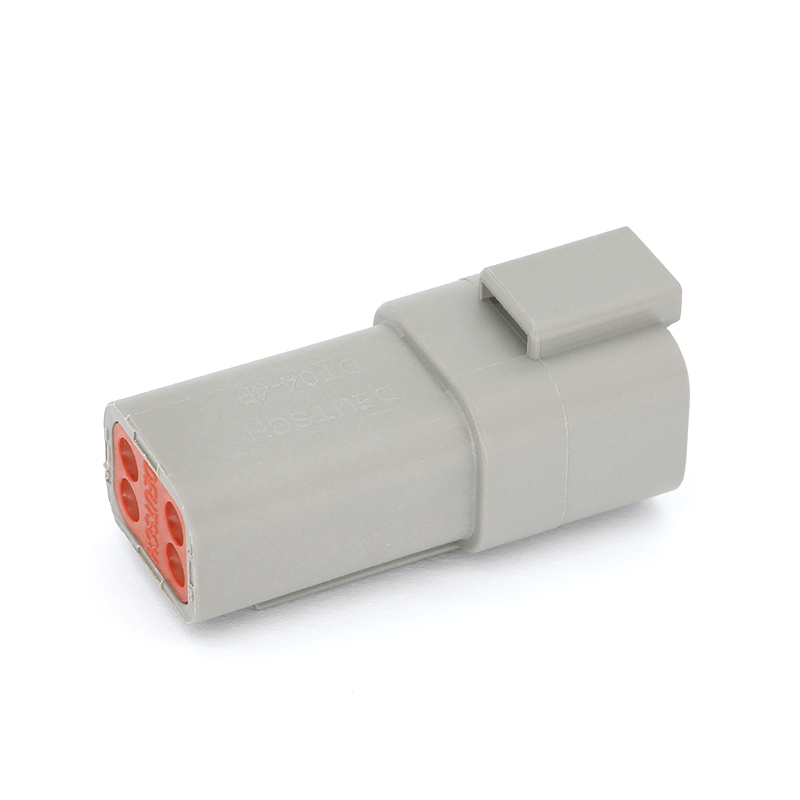
An Auto Connector is far more than a simple plug; it is a meticulously engineered system. It consists of a housing, terminals, and a locking mechanism. The housing is typically injection-molded from high-temperature thermoplastics capable of withstanding under-hood heat, exposure to fuels, oils, and various cleaning chemicals. Inside, the metal terminals—often made from copper alloys and plated with tin or gold—are designed to establish a gas-tight, low-resistance connection. The locking mechanism, whether a simple tab, a complex lever, or an audible-click seal, is crucial for resisting the constant vibrations inherent in vehicle operation, ensuring connections remain secure over the lifespan of the car. Sealing grommets and membranes are also integrated to achieve specific Ingress Protection (IP) ratings, safeguarding connections from moisture and contaminants.
The application of the Auto Connector within a vehicle is universal and vast. Estimates suggest a modern vehicle contains hundreds, sometimes over a thousand, individual Auto Connector units. They are found in every domain: under the hood connecting engine sensors and fuel injectors; within the passenger compartment for airbag systems, dashboard displays, and seat controls; in doors for power window and mirror modules; and at the rear for lighting assemblies and trailer interfaces. Each application may demand a different Auto Connector variant—varying in pin count, current rating, sealing level, and locking style—tailored to its specific environmental and electrical requirements. This proliferation underscores the Auto Connector's role as the fundamental building block of automotive electrical distribution.
Current industry megatrends are driving significant innovation in Auto Connector technology. The transition to electric vehicles (EVs) introduces new challenges, including connectors that must handle higher voltages and currents for battery and powertrain systems, requiring enhanced safety features and arc-resistant materials. The advancement of Advanced Driver-Assistance Systems (ADAS) and autonomous driving features increases the need for Auto Connector solutions that support high-speed data transmission (e.g., for cameras, radar, and LiDAR) with robust shielding against electromagnetic interference.
The Auto Connector will continue to evolve as a smart and highly integrated component. The future may see wider adoption of connectors with embedded electronics for in-line diagnostics, fusing, or even simple processing. The concept of the "smart Auto Connector" could provide real-time data on connection integrity, temperature, and vibration to the vehicle's diagnostic system. Additionally, modular Auto Connector systems that allow for easier assembly and repair are likely to gain traction. As vehicles transform into software-defined platforms on wheels, the humble Auto Connector remains a vital physical enabler, ensuring that the digital commands of the future are reliably translated into physical action through robust and intelligent electrical pathways. Its ongoing innovation is important for realizing the next generation of safe, efficient, and connected mobility.