
 English
 русский
 Español
 عربى
عربى 简体中文
简体中文6 Pin Auto Connector Demand Rises with Vehicle Electronics
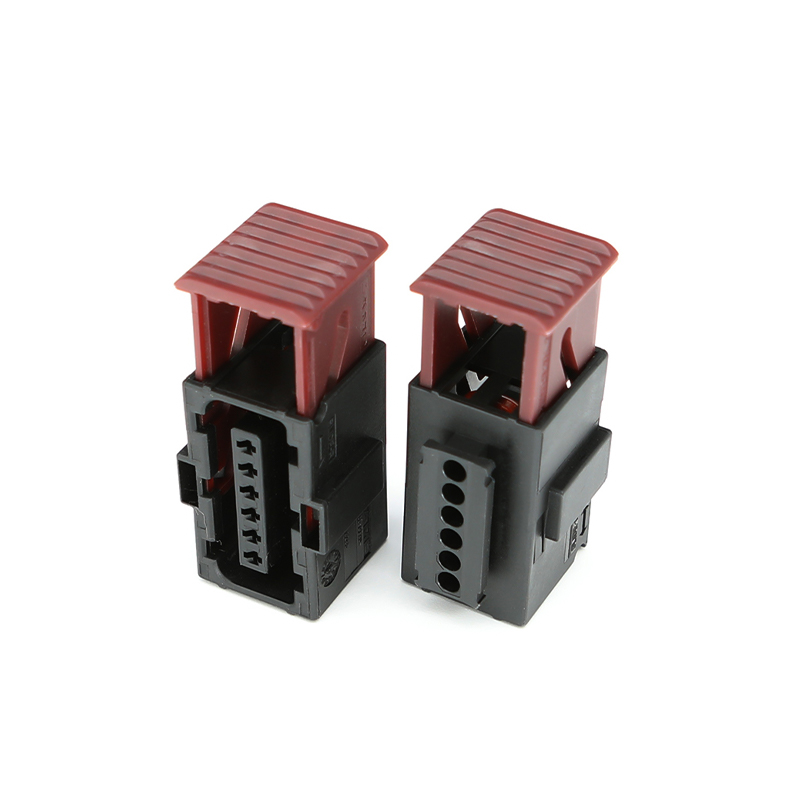
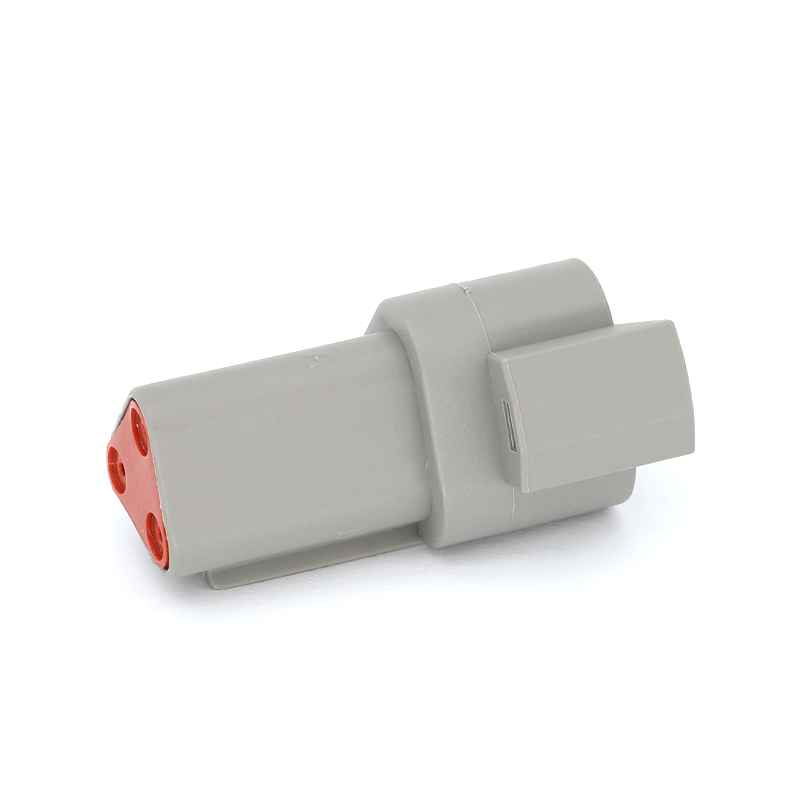
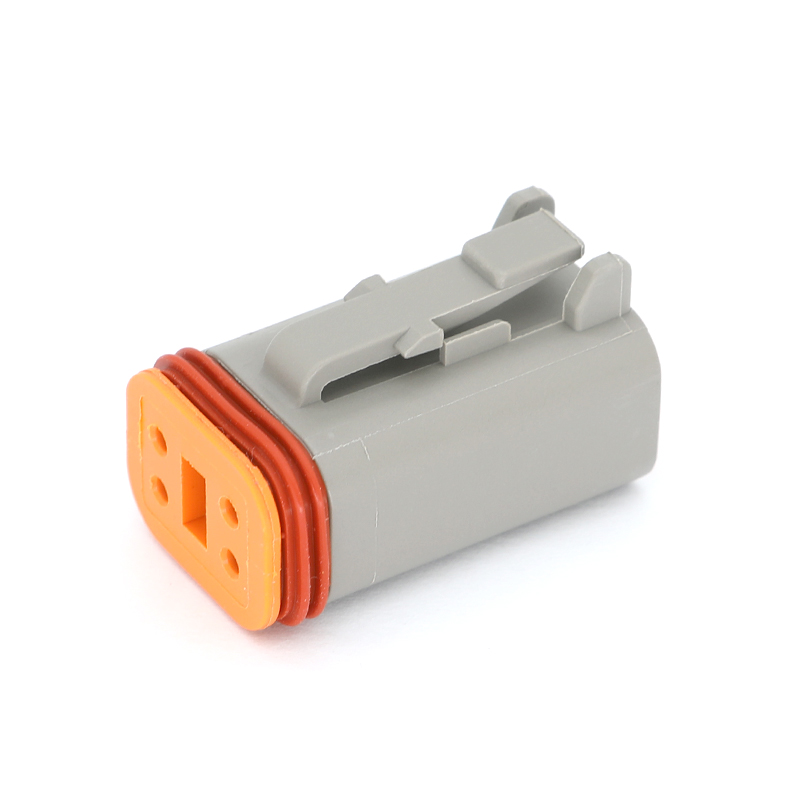
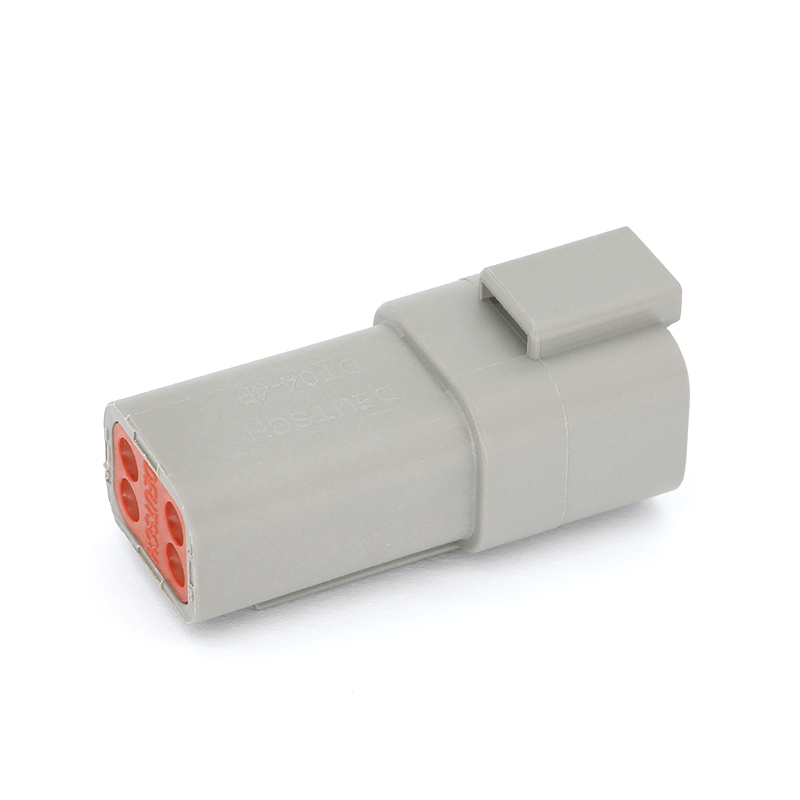
The automotive components market continues expanding as the 6 pin auto connector becomes increasingly important for modern vehicle electrical systems. This specialized connector, featuring six conductive elements within a robust housing designed for automotive environments, enables reliable connections for engine management, lighting, sensor systems, and body control modules. The growing adoption of the 6 pin auto connector reflects the automotive industry's ongoing transition toward sophisticated electronics supporting vehicle performance, safety, and comfort features.
Vehicle manufacturers increasingly specify the 6 pin auto connector for applications requiring multiple circuits in a single, durable interface. The six contacts provide sufficient capacity for complex sensors, actuators, and control modules while maintaining the compact footprint important in space-constrained automotive applications. This balance of functionality and size makes the 6 pin auto connector a preferred choice for engineers designing modern vehicle electrical architectures.
The construction of quality 6 pin auto connector products involves specialized engineering addressing the demanding automotive environment. Terminals formed from high-performance copper alloys with appropriate plating ensure reliable conductivity despite exposure to vibration, temperature bads, moisture, and chemicals. The housing of a 6 pin auto connector typically incorporates positive locking mechanisms preventing accidental disconnection, along with environmental seals protecting contacts from contamination.
Engine control systems represent a primary application for 6 pin auto connector products, with these components connecting sensors and actuators to engine management modules. Throttle position sensors, camshaft position sensors, and various engine actuators frequently utilize 6 pin auto connector configurations providing the multiple circuits these devices require. The reliability of these connections directly affects engine performance, emissions, and drivability.
Transmission control applications generate substantial 6 pin auto connector demand for connecting solenoids, sensors, and control modules within modern automatic transmissions. The challenging environment inside or on transmission housings demands 6 pin auto connector designs resistant to transmission fluid exposure and high operating temperatures. Specialized materials and sealing systems address these requirements while maintaining signal integrity important for proper shifting behavior.
Lighting systems increasingly incorporate 6 pin auto connector configurations as LED technology enables more sophisticated lighting functions. Headlight assemblies with multiple functions including low beam, high beam, daytime running lights, and turn signals utilize the multiple contacts available for separate control of each lighting element. The 6 pin auto connector simplifies vehicle wiring while enabling the advanced lighting designs consumers expect.
Body control modules and interior systems depend on 6 pin auto connector for connecting door modules, seat controls, and various comfort features. Power windows, mirror adjustments, and memory functions require multiple circuits efficiently provided through 6 pin auto connector interfaces. These applications benefit from connector designs supporting the repeated mating cycles typical of manufacturing and service operations.
Sensor systems throughout modern vehicles utilize 6 pin auto connector configurations for connecting devices measuring pressure, temperature, position, and other parameters. Advanced driver assistance systems including cameras and radar sensors often employ 6 pin auto connector for power and data transmission requirements. The integrity of these connections proves critical for safety system performance.
The global 6 pin auto connector market continues expanding as vehicle electronic content grows with each new model generation. Electrification, autonomous driving features, and increasing consumer expectations for comfort and convenience drive demand for more sophisticated electrical systems requiring reliable interconnection solutions. As vehicles become increasingly defined by their electronic capabilities, the 6 pin auto connector maintains its position as important infrastructure supporting the automotive industry's technological evolution.