
 English
 русский
 Español
 عربى
عربى 简体中文
简体中文4 Pin Connector Market Expands with Diverse Applications
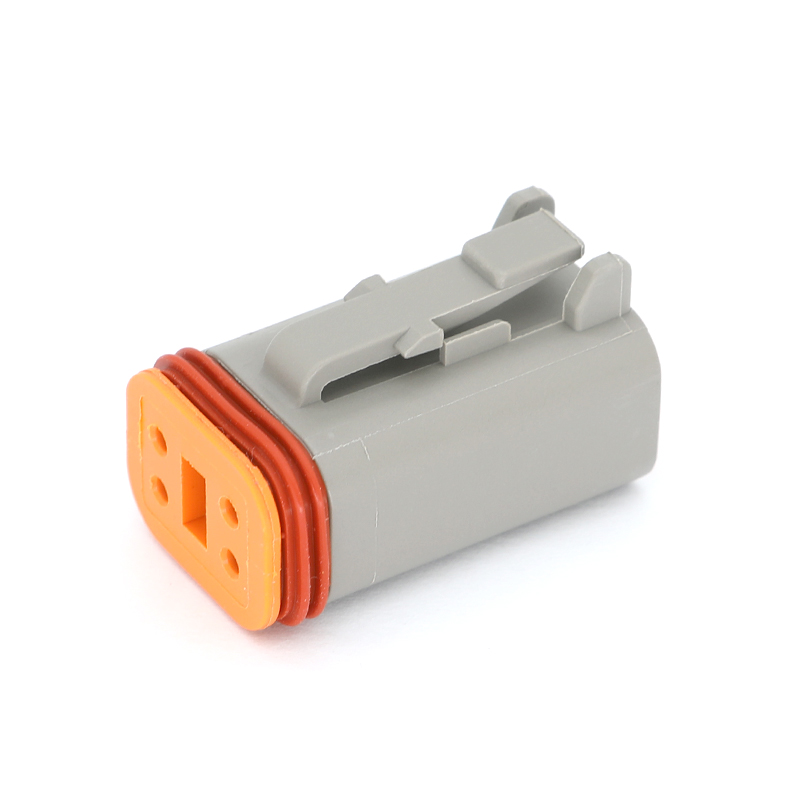
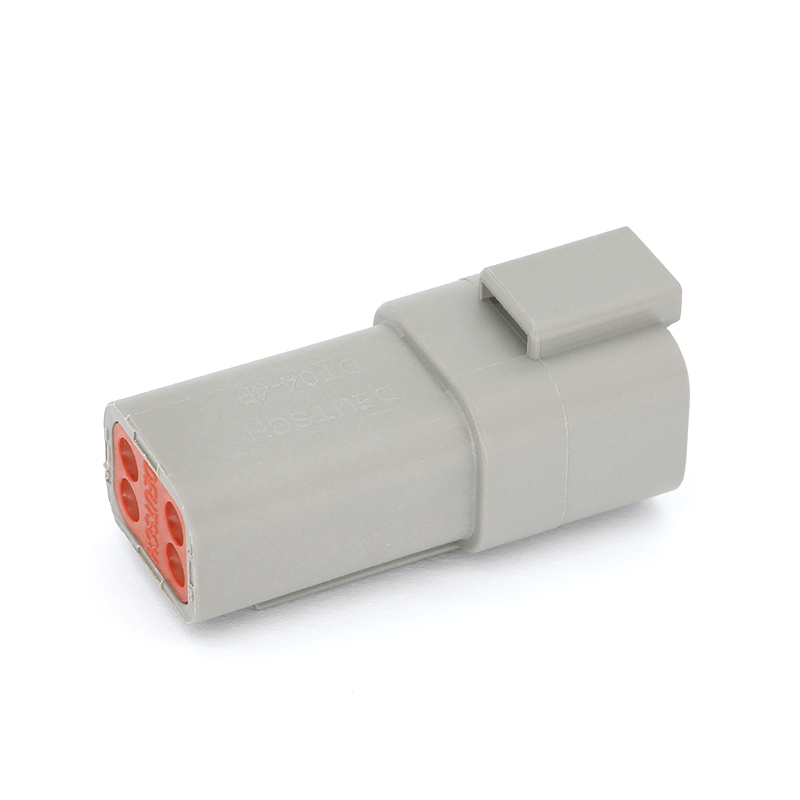
The electrical components sector continues growing as the 4 pin connector establishes itself as a versatile solution for power and signal transmission across numerous industries and applications. This multi-contact component, featuring four conductive elements within a protective insulating housing, enables reliable connections for devices requiring multiple circuits in a single interface. The widespread adoption of the 4 pin connector reflects its ability to balance functionality with compact design across consumer, industrial, and automotive applications.
Design engineers increasingly specify the 4 pin connector for applications requiring more complex electrical interfaces than simple two-wire connections. The additional conductors enable separate power and signal paths, multiple sensor inputs, or redundant connections enhancing system reliability. This versatility makes the 4 pin connector a preferred choice for applications where space constraints demand up to functionality from small connector footprint.
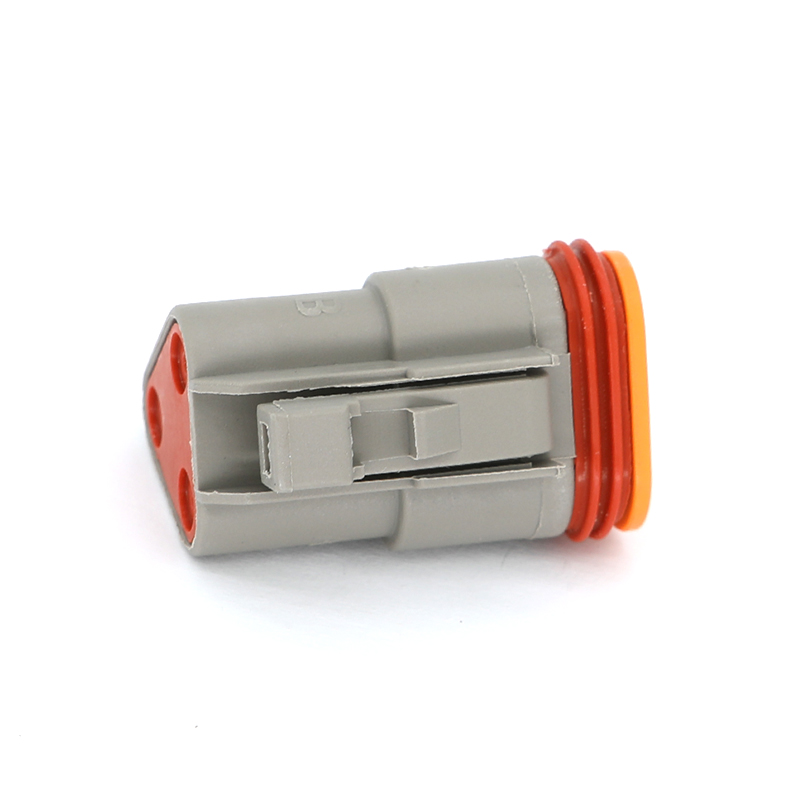
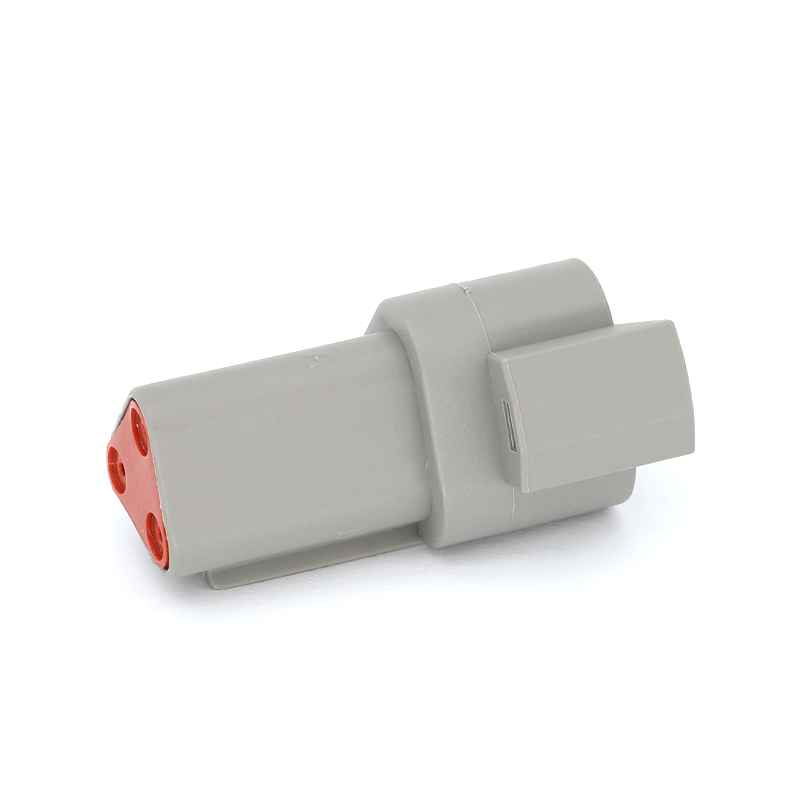
The construction of quality 4 pin connector products involves precision engineering of both conductive terminals and insulating bodies. Terminals formed from copper alloys with appropriate plating ensure reliable conductivity and corrosion resistance throughout service life. The housing of a 4 pin connector must maintain precise terminal positioning while providing mechanical protection and often environmental sealing for demanding applications.
Computer and peripheral applications represent a significant market for 4 pin connector products. Fan connections, front panel interfaces, and various internal device connections utilize this configuration for its balance of contact count and size. The standardization of certain 4 pin connector formats across the computer industry has created broad availability and familiarity among system builders and repair technicians.
Automotive applications generate substantial 4 pin connector demand for numerous vehicle systems including sensors, lighting modules, and accessory connections. The demanding automotive environment requires 4 pin connector designs resistant to vibration, temperature bads, and exposure to moisture and chemicals common under hood and in exterior locations. Automotive-grade versions incorporate sealed interfaces and positive locking mechanisms preventing accidental disconnection during vehicle operation.
Industrial automation extensively utilizes 4 pin connector configurations for connecting sensors, actuators, and control devices to industrial networks. Many proximity sensors and simple field devices employ 4 pin connector interfaces providing power and signal connections in compact packages suitable for space-constrained machinery applications. The reliability of these 4 pin connector connections directly affects production line uptime and manufacturing efficiency.
Lighting systems increasingly incorporate 4 pin connector configurations as LED technology enables more sophisticated illumination products. Multiple channels for color control, dimming signals, and power delivery utilize the four contacts available, enabling advanced lighting effects while maintaining simple installation. Modular lighting systems leveraging 4 pin connector interfaces facilitate configuration changes and maintenance.
Consumer electronics utilize 4 pin connector applications for various functions including battery connections, accessory interfaces, and internal device wiring. The space efficiency of properly designed 4 pin connector systems supports the miniaturization trends defining modern consumer products. Manufacturers select 4 pin connector configurations balancing contact count against the space available in increasingly compact device enclosures.
The global 4 pin connector market continues expanding as electronic content increases across virtually all product categories. From automotive systems to industrial equipment and consumer devices, the need for reliable multi-circuit connections drives sustained demand. As devices become more sophisticated while size constraints persist, the 4 pin connector maintains its position as an important solution for applications requiring balanced functionality in compact form factors.