
 English
 русский
 Español
 عربى
عربى 简体中文
简体中文2 Pin Connector Demand Grows Across Industrial Applications
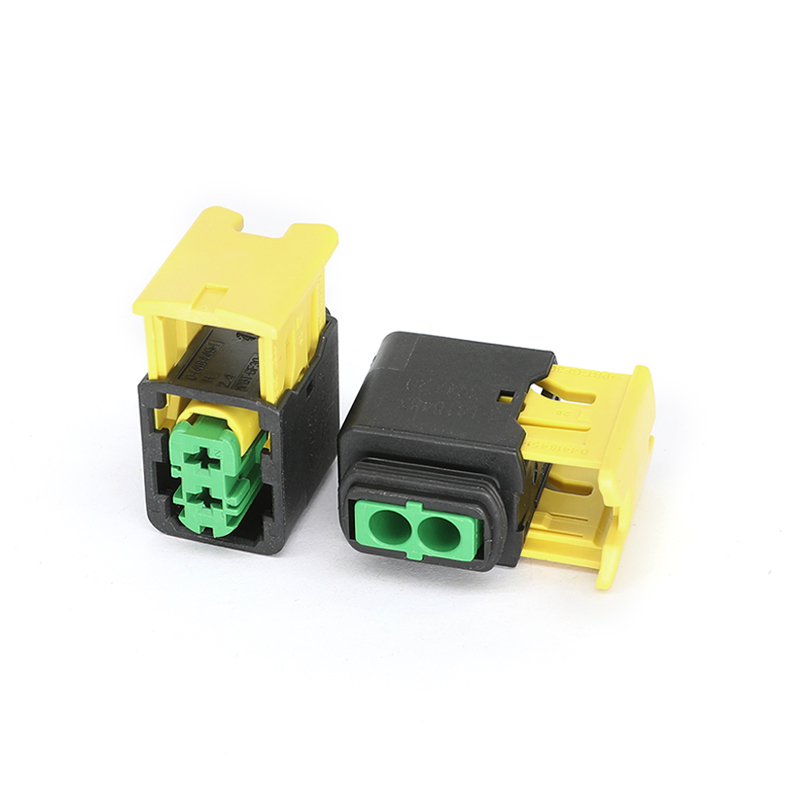
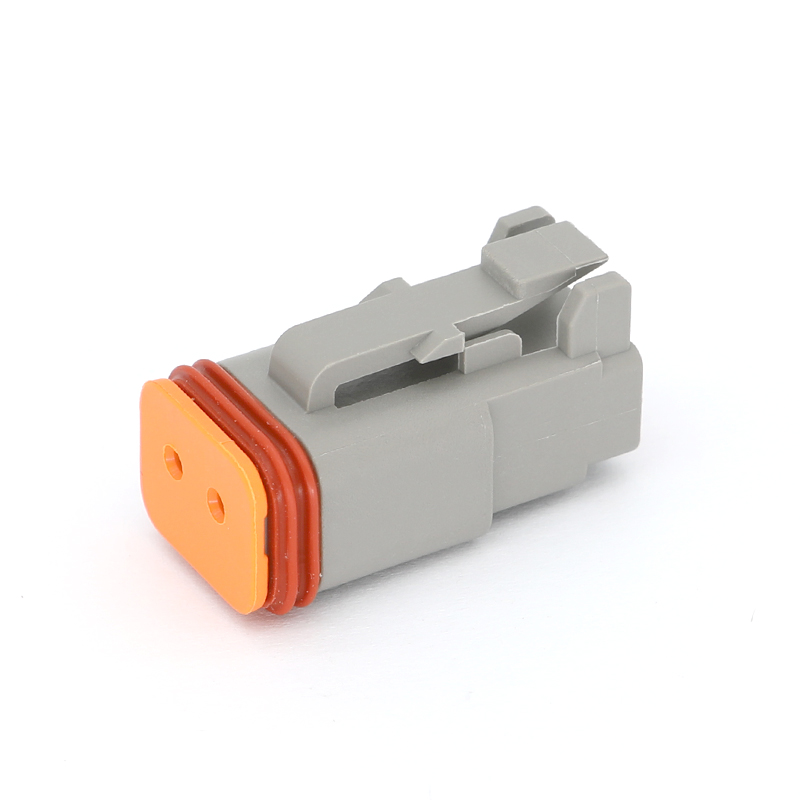
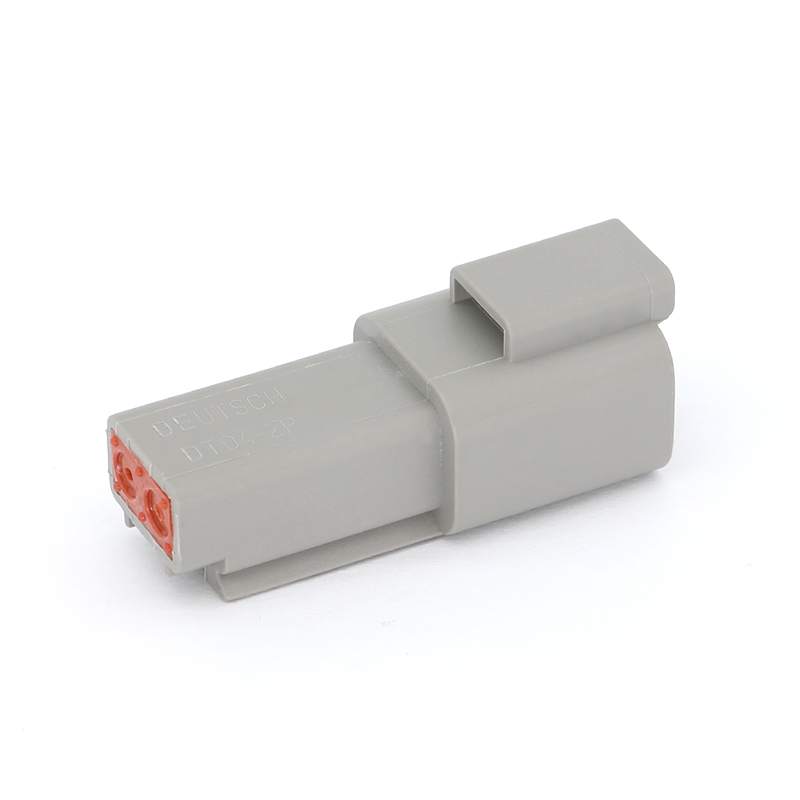
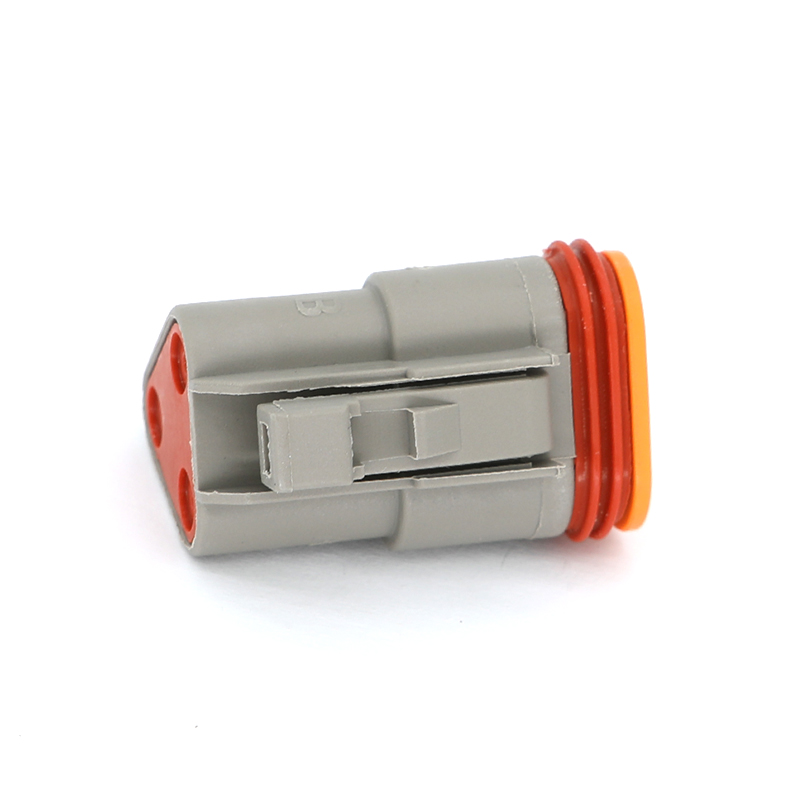
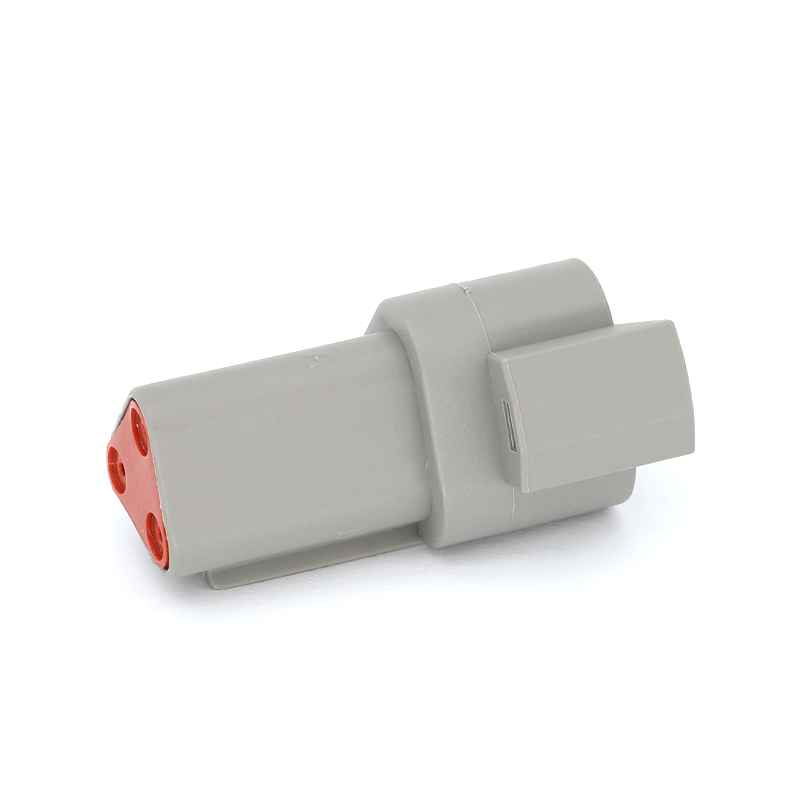
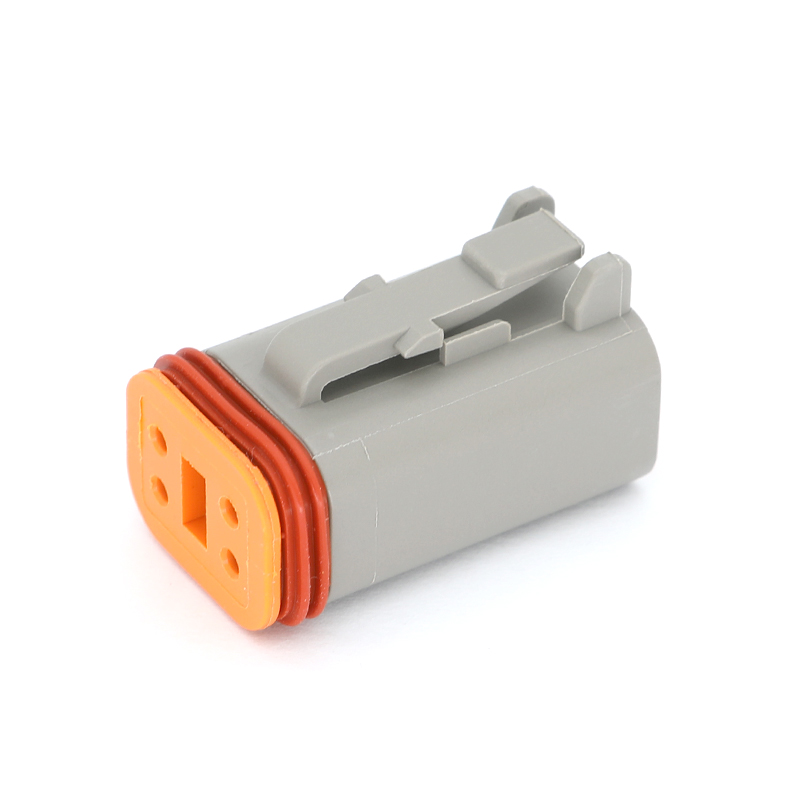
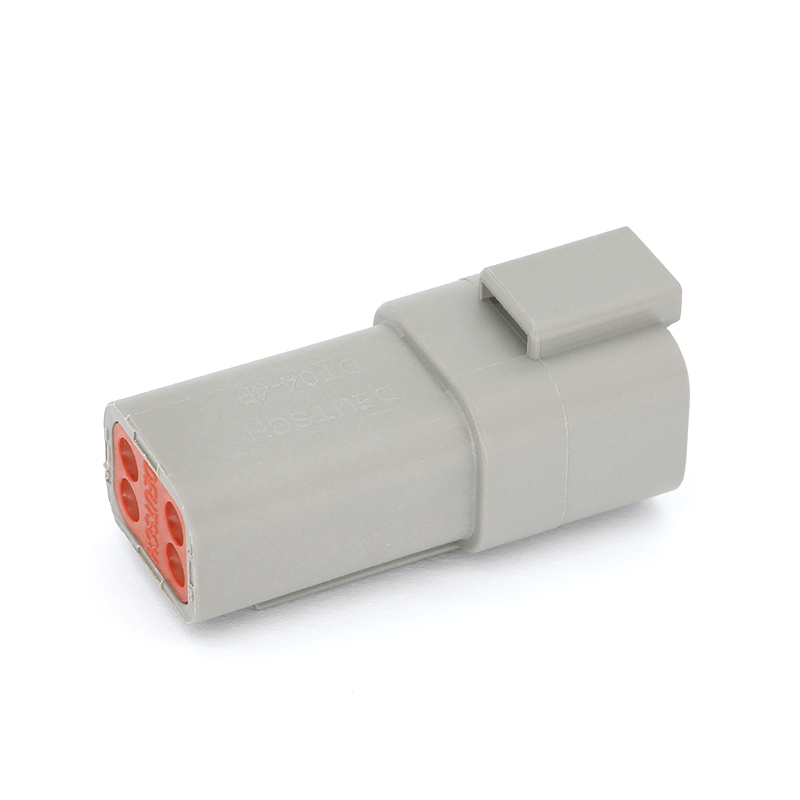
The electrical components market continues expanding with the 2 pin connector establishing itself as a fundamental building block for power and signal connections across countless devices and systems worldwide. This simple yet important component, consisting of two conductive elements within an insulating housing, enables reliable electrical connections in applications ranging from household appliances to industrial control systems. The widespread adoption of the 2 pin connector reflects its versatility, simplicity, and cost-effectiveness for basic electrical interface requirements.
Design engineers across numerous industries regularly specify the 2 pin connector for applications requiring straightforward power delivery or signal transmission between components. The simplicity of the 2 pin connector design less potential failure points while providing secure connections that withstand vibration, temperature variations, and environmental exposure common in operating environments. This reliability makes the 2 pin connector a preferred choice for applications where connection integrity directly affects system performance.
The construction of a quality 2 pin connector involves careful material selection for both conductive elements and insulating bodies. Terminals are typically formed from copper alloys offering outstanding conductivity and spring properties, often plated with tin or gold to resist corrosion and maintain low contact resistance over time. The housing of a 2 pin connector must provide mechanical protection, electrical isolation, and often environmental sealing depending on application requirements.
Power supply applications represent a primary market for 2 pin connector products, with these components delivering electricity to countless devices. From small electronics to larger appliances, the 2 pin connector provides a standardized interface for power input that balances simplicity with adequate current capacity for intended loads. The familiarity of the 2 pin connector configuration makes it accessible for both manufacturers and end users requiring replacement or extension solutions.
Sensor and signal applications increasingly utilize 2 pin connector configurations for transmitting measurement data from field devices to control systems. Temperature sensors, proximity switches, and simple transducers often employ 2 pin connector interfaces providing both power and signal transmission through the same connection. This efficiency reduces wiring complexity while maintaining the reliability important for accurate monitoring and control.
Automotive applications generate substantial 2 pin connector demand for numerous vehicle systems including lighting, sensors, and accessory connections. The automotive environment presents particular challenges including vibration, temperature bads, and exposure to moisture and chemicals. Automotive-grade 2 pin connector designs address these conditions through robust construction, sealed interfaces, and positive locking mechanisms preventing accidental disconnection.
Lighting systems across residential, commercial, and industrial settings incorporate 2 pin connector configurations for fixture connections and modular lighting arrangements. The simplicity of the 2 pin connector facilitates installation and maintenance while providing reliable power delivery to illumination sources. LED lighting proliferation has created additional 2 pin connector applications as modular lighting components require standardized interfaces.
Industrial control panels utilize 2 pin connector extensively for organizing wiring and simplifying maintenance. Terminal blocks and pre-wired components featuring 2 pin connector interfaces enable rapid assembly and troubleshooting while maintaining the organized appearance important for safe industrial environments. The modularity provided by 2 pin connector systems reduces downtime when components require replacement.
The global 2 pin connector market continues growing as electronic content expands across virtually all product categories. From infrastructure development to consumer goods, the need for reliable electrical connections drives sustained demand. As devices become more sophisticated while cost pressures persist, the 2 pin connector maintains its position as an important, reliable, cost-effective solution for basic electrical interface requirements across industries worldwide.