
 English
 русский
 Español
 عربى
عربى 简体中文
简体中文8 Pin Connector Powers Advanced Electronic Systems
The evolution of electronic devices toward greater functionality in compact form factors has elevated the importance of connectors that can consolidate multiple signal and power paths. The 8 Pin Connector has emerged as a key enabler in this trend, providing a standardized interface with sufficient contacts to support complex, multi-faceted connections. Its eight discrete pins offer a significant increase in capability over four or six-pin versions, allowing designers to integrate power delivery, high-speed data transfer, analog signals, and control lines within a single, unified port. The widespread adoption of the 8 Pin Connector across computing, telecommunications, industrial automation, and consumer electronics highlights its versatility and critical role in modern system design and device interoperability.
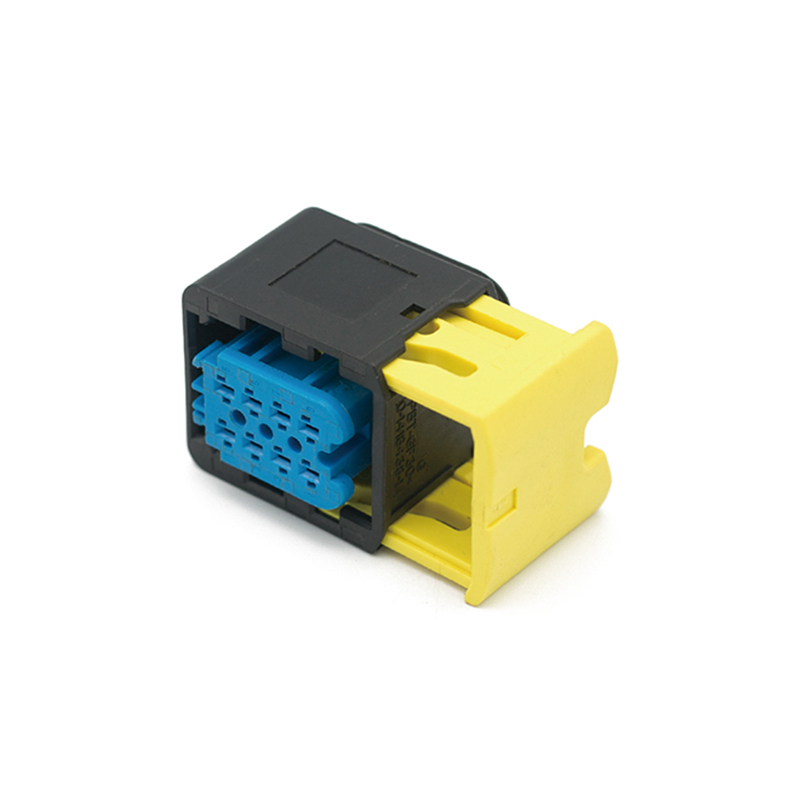
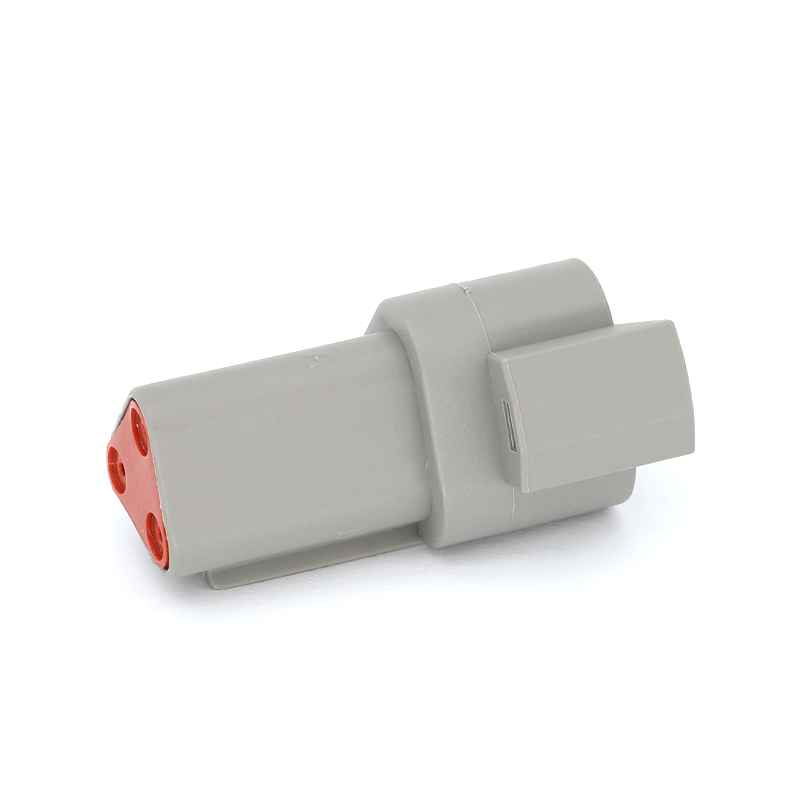
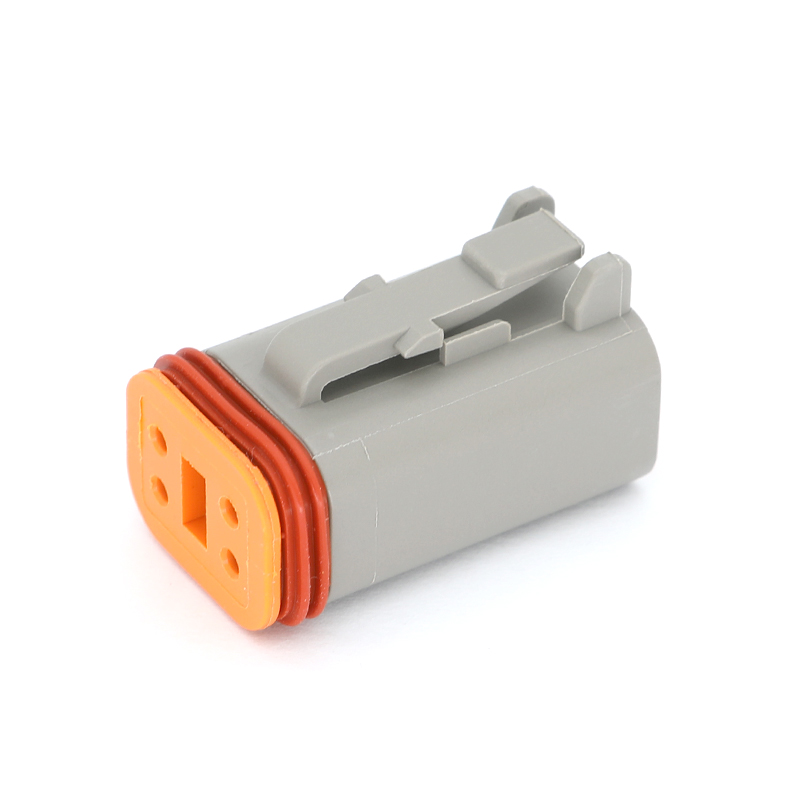
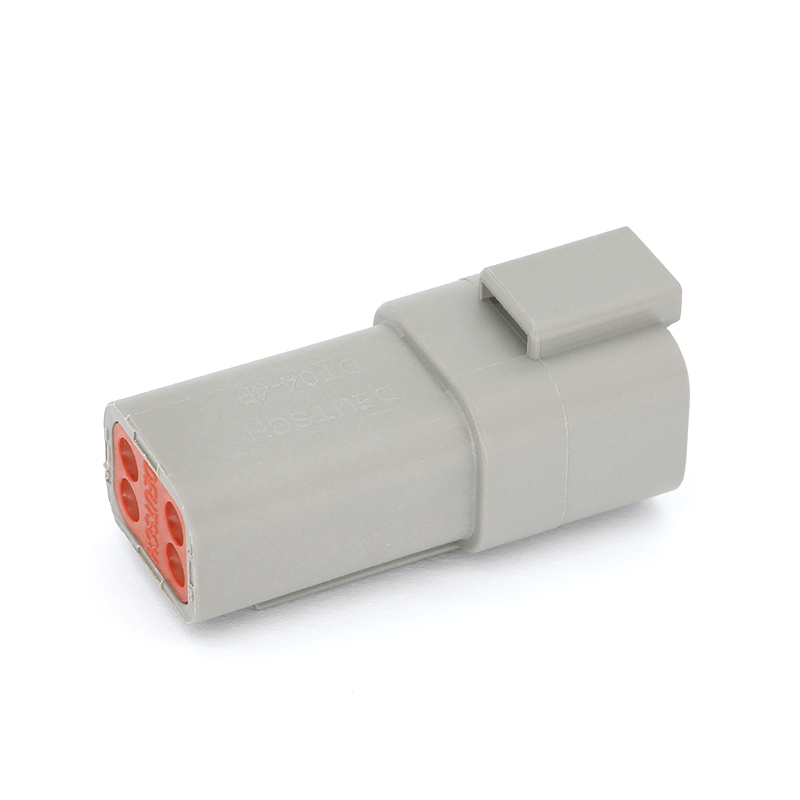
The architecture of an 8 Pin Connector is engineered for reliability and performance. The connector housing is typically molded from durable, often high-temperature resistant plastics like PBT or LCP, with metal shielding frequently added for electromagnetic compatibility (EMC). A robust latching or screw-lock mechanism is standard to ensure a secure mating connection that can withstand mechanical stress and vibration. The eight contact pins are precisely arranged, often in dual rows, and are manufactured from materials such as phosphor bronze or brass, with selective gold plating on mating surfaces to ensure low contact resistance, outstanding conductivity, and corrosion resistance over thousands of mating cycles. This precise engineering ensures that the 8 Pin Connector can reliably handle a mix of power and sensitive signal transmission without interference.
The application of the 8 Pin Connector is prominent in several high-performance sectors. In computing, it is a standard interface for external peripheral connections, such as certain types of professional audio/video equipment and legacy data transfer cables. Its lots of recognizable modern application is likely in power delivery, where a specific 8 Pin Connector variant is used to supply additional, stable power to high-end central processing units (CPUs) and graphics cards in desktop computers, handling higher currents than previous standards. In industrial control and automation, 8 Pin Connector configurations are used to interface with programmable logic controller (PLC) I/O modules, sensors, and actuators, consolidating power and signal wires for simplified cabling in control cabinets.
Technological advancement continues to shape the specifications and use cases for the 8 Pin Connector. The increasing power demands of processors and accelerators are pilot to the development of 8 Pin Connector designs rated for higher continuous current, with improved terminal materials and cooling considerations. Similarly, the proliferation of high-speed serial data protocols (like USB 3.x, Thunderbolt, or PCIe) sometimes utilizes 8 Pin Connector layouts or derivatives to accommodate the necessary differential signal pairs for multi-gigabit data transfer. This dual role in both high-power and high-data-rate applications demonstrates the connector's adaptability.
The 8 Pin Connector is poised to remain a fundamental component, particularly in bridging legacy systems with new technologies. Its established form factor and electrical characteristics provide a reliable foundation. Future iterations may see further integration of advanced shielding techniques to manage EMI in denser electronic environments, and the adoption of new contact platings for improved durability in harsh conditions. As the lines between power, data, and control continue to blur in interconnected systems, the 8 Pin Connector will adapt, serving as a crucial, standardized node that enables the complex functionality expected from next-generation electronic devices and industrial systems, ensuring reliable performance in an ever-more connected world.