
 English
 русский
 Español
 عربى
عربى 简体中文
简体中文4 Pin Connector Serves Power and Signal Applications
The 4 pin connector has become a common component in industrial equipment, consumer electronics, and automotive systems. Unlike simple two-pin connectors that carry only power, a 4 pin connector can transmit power and multiple signal lines through a single interface. Design engineers have specified the 4 pin connector for sensors, LED lighting, motor controls, and data communication links. The versatility of a 4 pin connector explains its presence in factory automation, medical devices, and home appliances. Manufacturers continue to produce 4 pin connector products in various configurations and environmental ratings.
Pin configuration of a 4 pin connector determines its function in a system. A 4 pin connector used for sensor applications typically carries power, ground, and two signal lines. A 4 pin connector for LED lighting often includes positive and negative power lines plus two control wires for dimming or color changes. A 4 pin connector for motor control may carry three phase wires plus a ground or brake signal. The pin assignment of a 4 pin connector should be clearly marked on housing and schematics. A mismatched 4 pin connector connection can damage connected equipment.
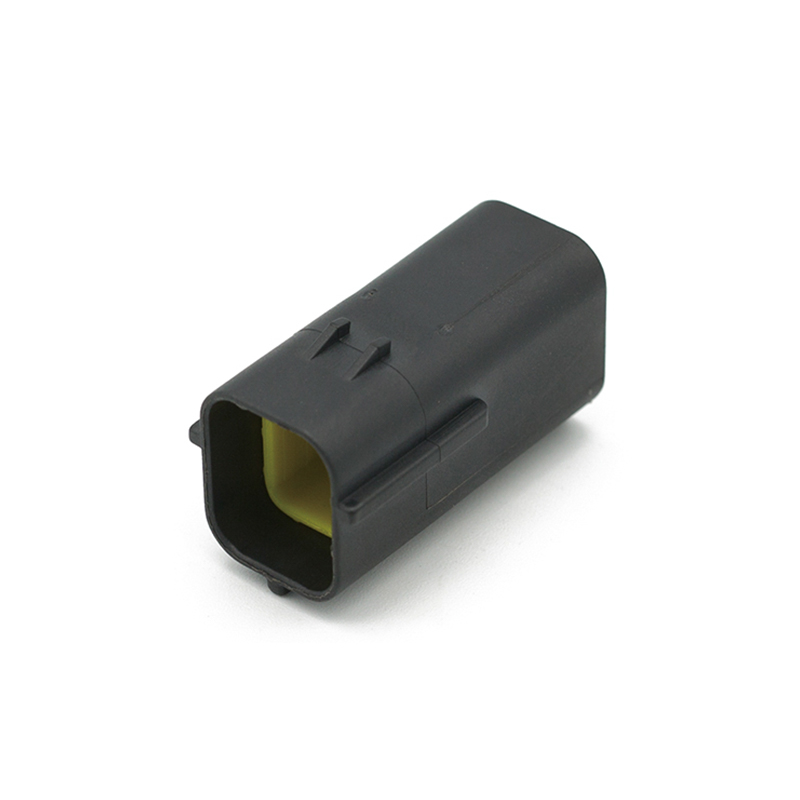
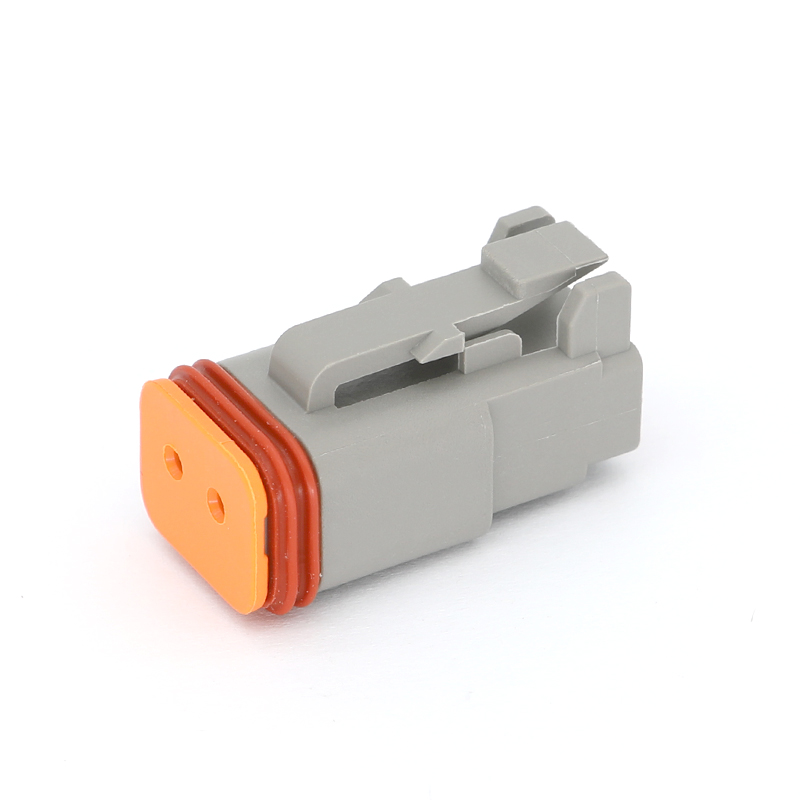
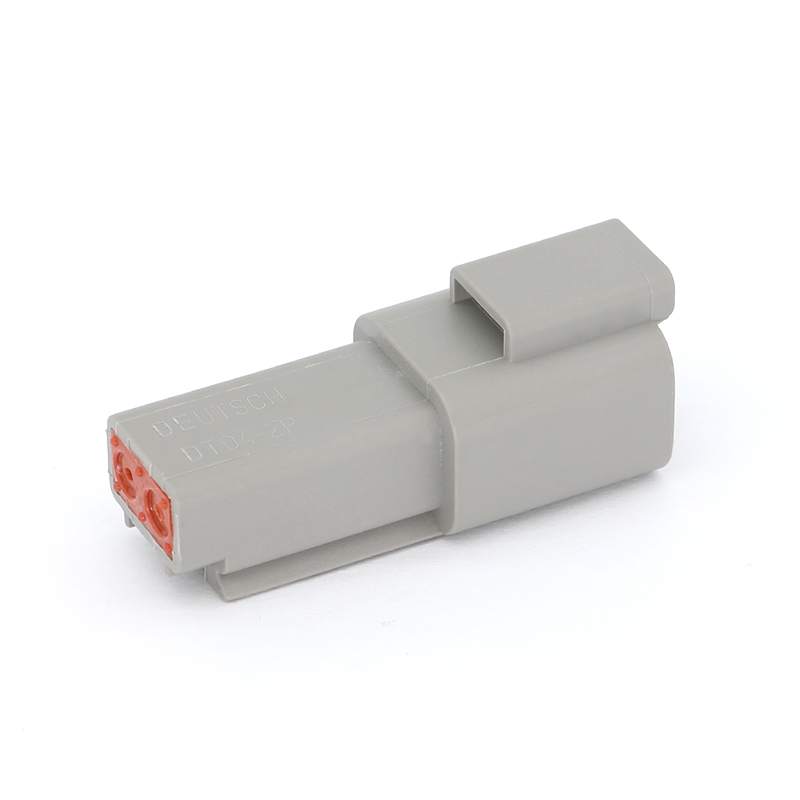
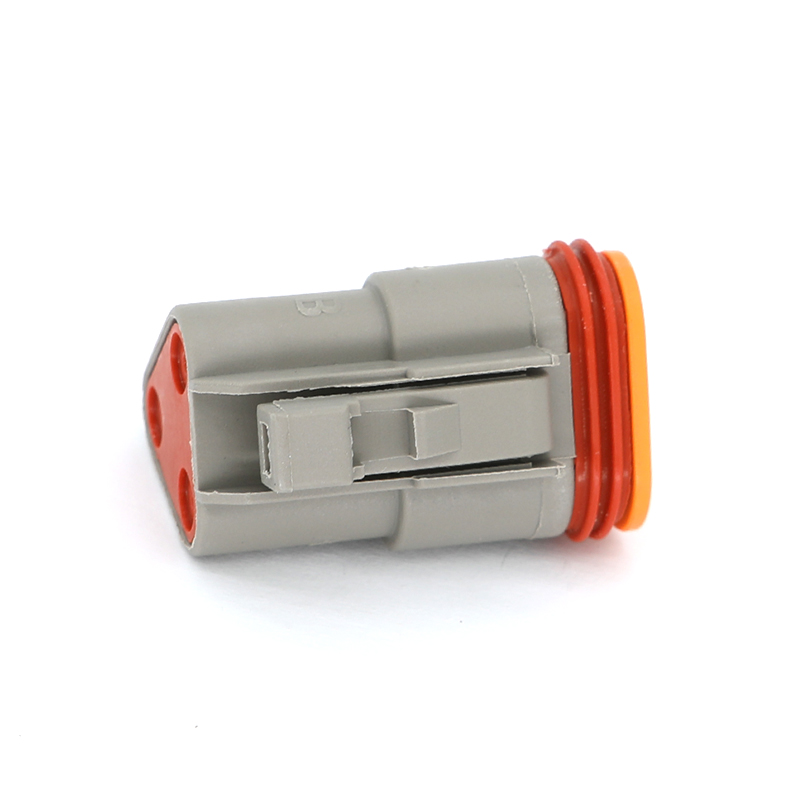
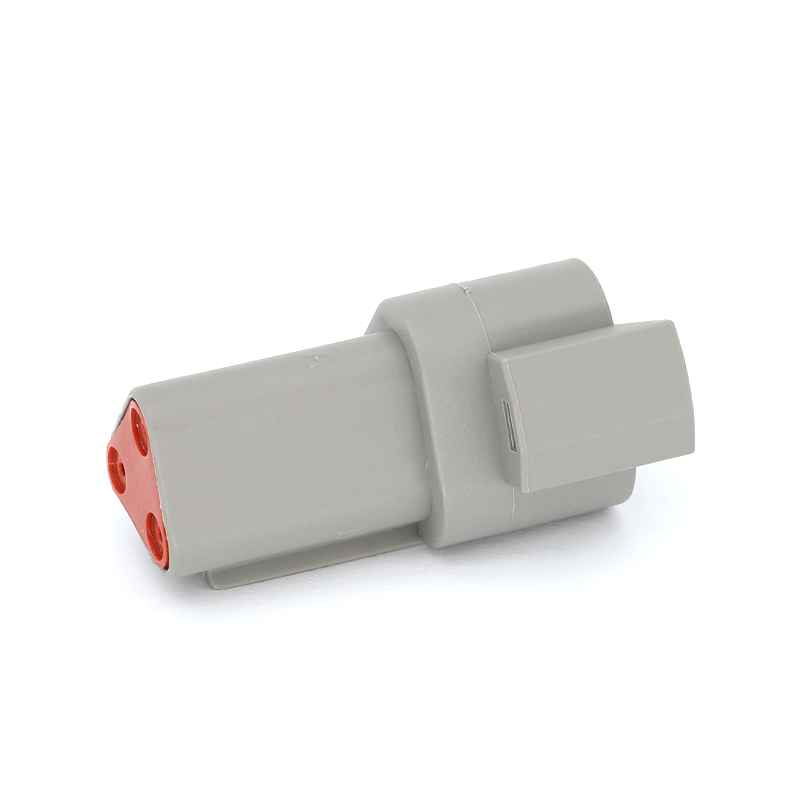
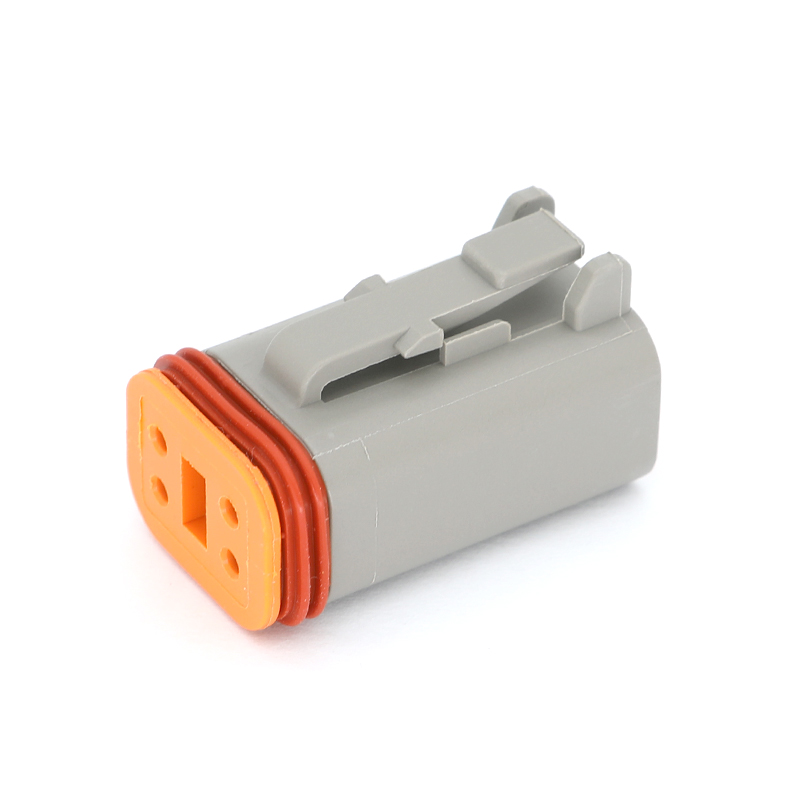
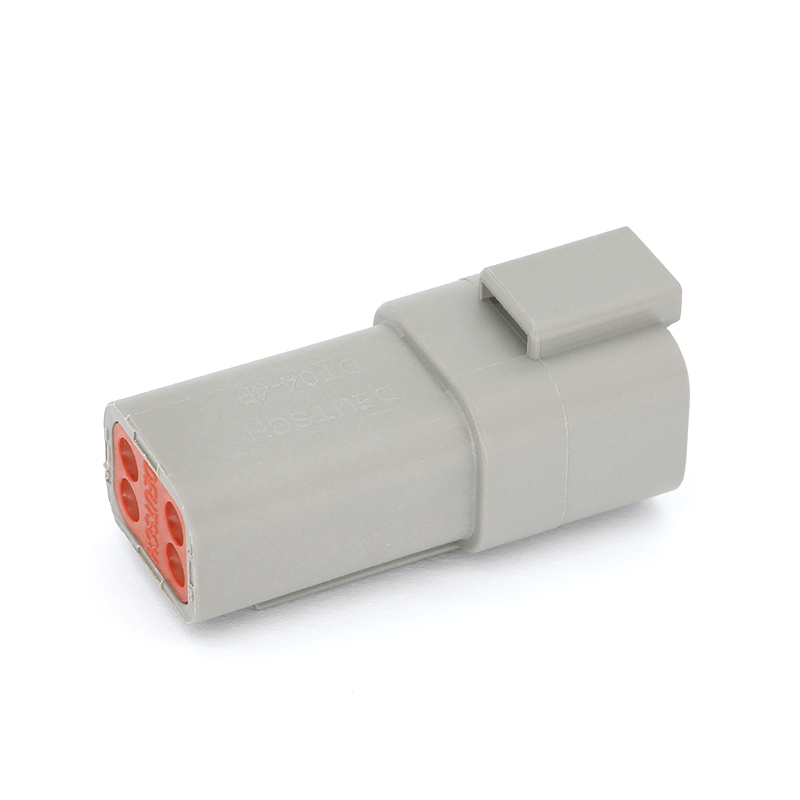
Connector types within the 4 pin connector category include M12, M8, and Deutsch designs. A circular 4 pin connector with M12 threading suits industrial sensors and actuators in factory environments. A rectangular 4 pin connector with latching mechanism appears on computer peripherals and medical equipment. A weather-pack 4 pin connector serves automotive engine bay and lighting applications. The 4 pin connector type selected should match the environmental conditions and mating frequency. A sealed 4 pin connector prevents moisture ingress in outdoor or washdown locations.
Contact materials in a 4 pin connector affect signal quality and durability. A gold-plated 4 pin connector provides outstanding corrosion resistance for low-voltage signal applications. A tin-plated 4 pin connector offers cost-effective performance for general power connections. A 4 pin connector with machined pins withstands more mating cycles than stamped contact versions. The contact resistance of a 4 pin connector should remain low across the product's lifetime. A high-quality 4 pin connector maintains consistent electrical performance through thousands of insertions.
Cable attachment methods for a 4 pin connector include soldering, crimping, and screw terminals. A field-wireable 4 pin connector allows technicians to attach their own cable to the connector body. A pre-molded 4 pin connector on a cable assembly provides factory-sealed strain relief. A 4 pin connector with screw terminals simplifies installation without special crimping tools. The wire gauge accepted by a 4 pin connector ranges from 30 to 14 AWG depending on connector size. A properly terminated 4 pin connector ensures reliable electrical contact and mechanical retention.
Environmental ratings of a 4 pin connector determine suitable installation locations. An IP67 rated 4 pin connector withstands temporary immersion in water for outdoor or washdown use. An IP69K rated 4 pin connector resists high-pressure, high-temperature spray in food processing facilities. A 4 pin connector with UL or CSA listing meets safety standards for industrial machinery. The temperature range of a 4 pin connector should match the operating environment. A 4 pin connector for outdoor use requires UV-resistant housing materials.
The 4 pin connector will likely continue as a standard interface for sensors and controls. Advances in sealing technology may produce 4 pin connector suitable for more bad environments. For engineers seeking reliable multi-circuit connections, the 4 pin connector offers a practical solution.