
 English
 русский
 Español
 عربى
عربى 简体中文
简体中文Auto Connector Links Critical Vehicle Electrical Systems
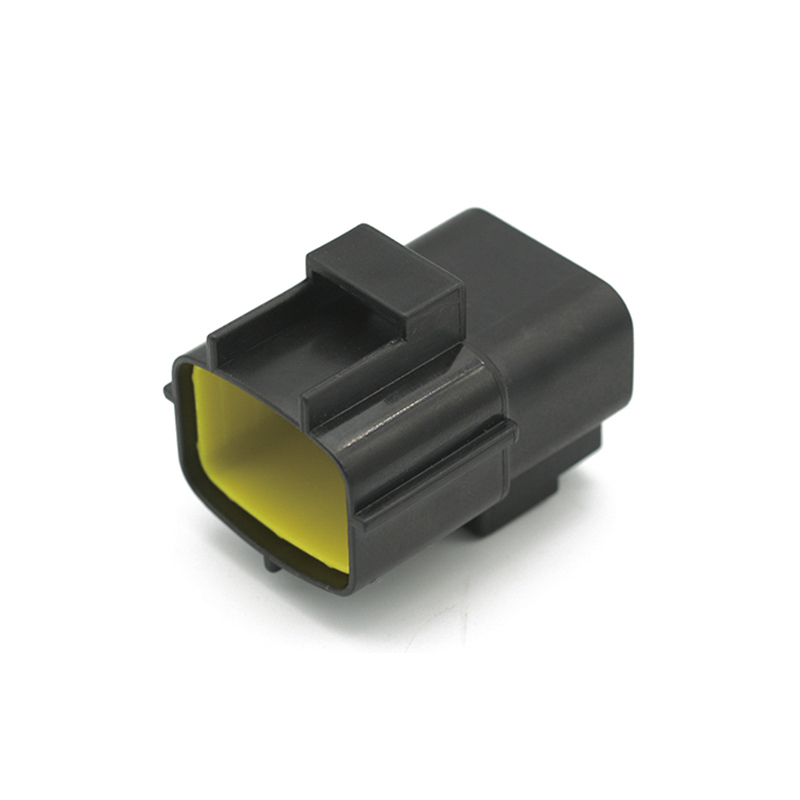
The auto connector has become an essential component in modern vehicle wiring harnesses, linking sensors, lights, control modules, and actuators. Unlike household electrical connectors that remain stationary, an auto connector must withstand vibration, temperature bad, and moisture exposure. Automotive engineers have specified the auto connector for its reliability in engine compartments, door cavities, and underbody locations. The sealed design of many auto connector products explains their ability to function for years in harsh environments. Manufacturers continue to produce auto connector families with various pin counts, terminal types, and mounting configurations.
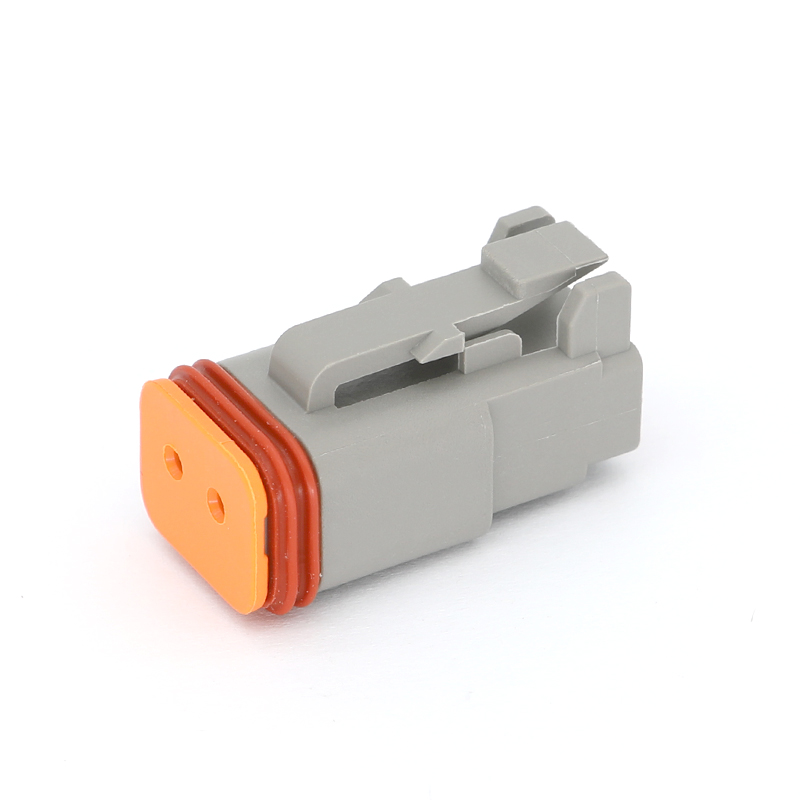
Housing materials for an auto connector resist heat, chemicals, and mechanical stress. A nylon or PBT housing on an auto connector withstands under-hood temperatures and exposure to oil, coolant, and road salts. The locking mechanism of an auto connector engages with the mating half to prevent separation from vibration. A secondary lock on an auto connector provides additional terminal retention for safety-critical circuits. The color of an auto connector housing sometimes indicates pin count or circuit function. A properly molded auto connector maintains dimensional stability across temperature ranges.
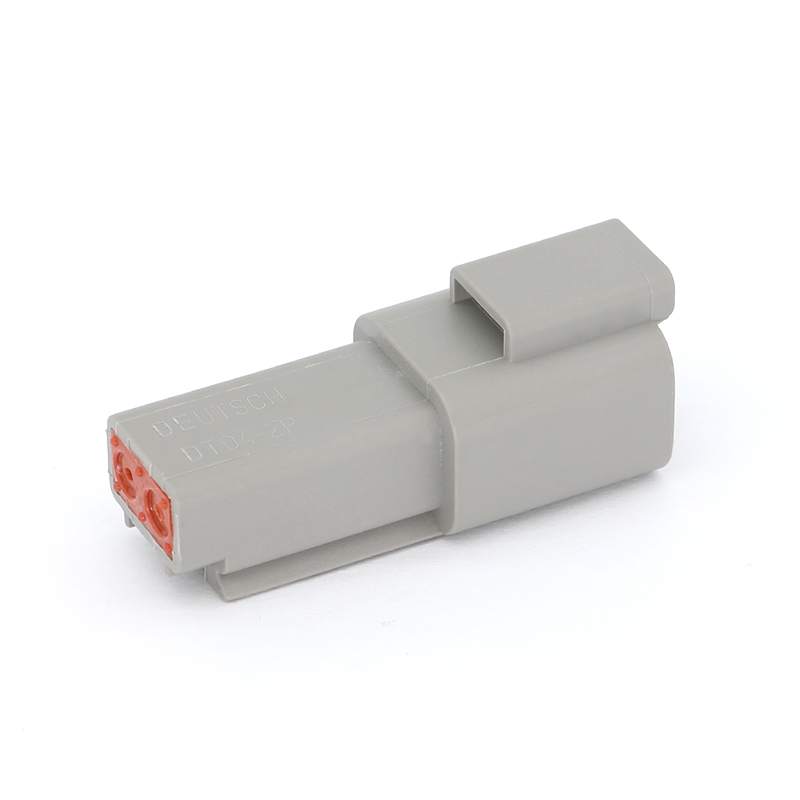
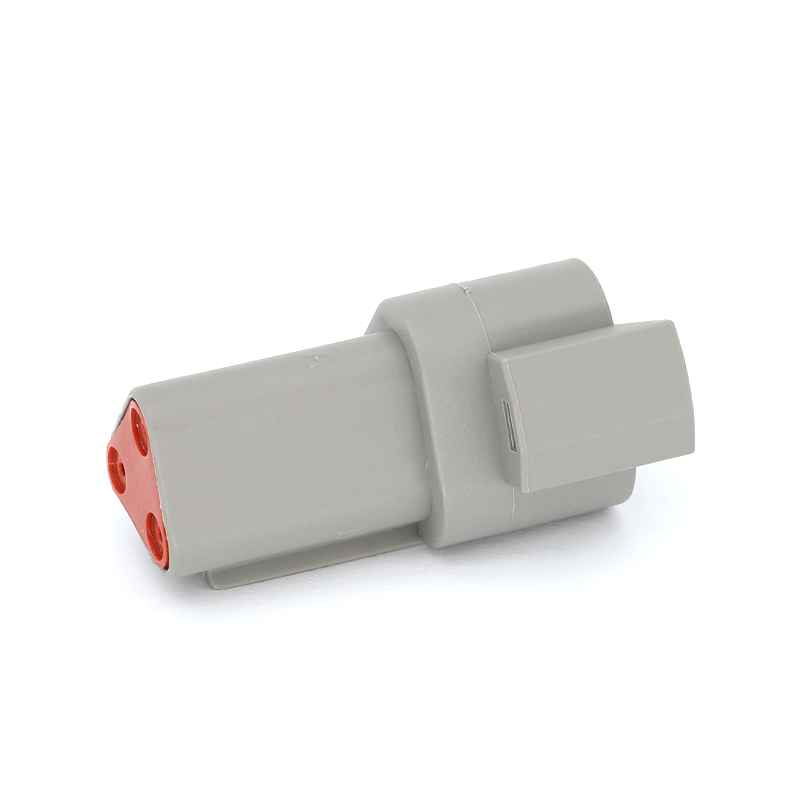
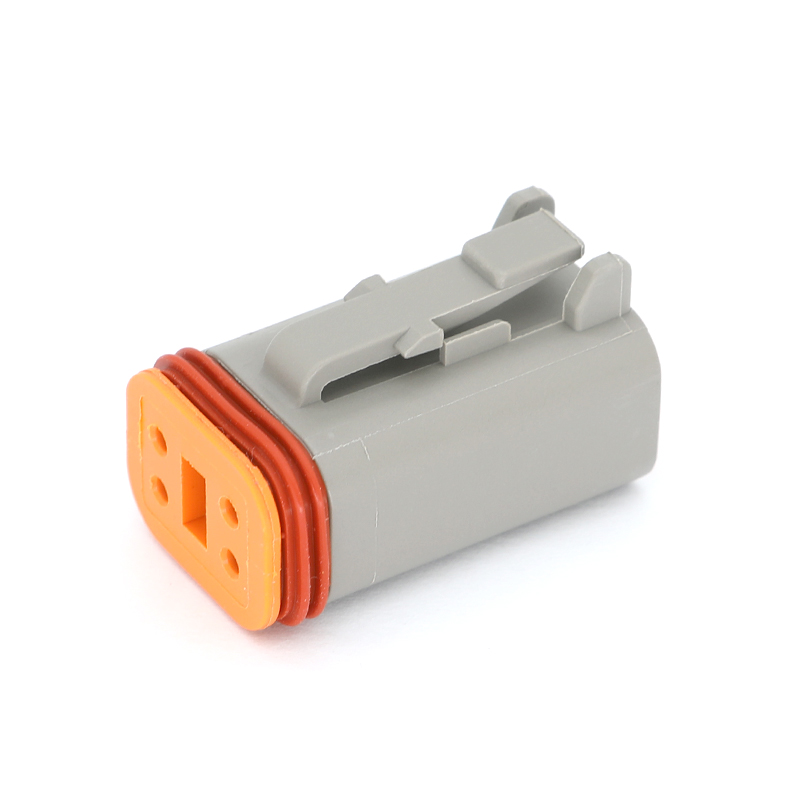
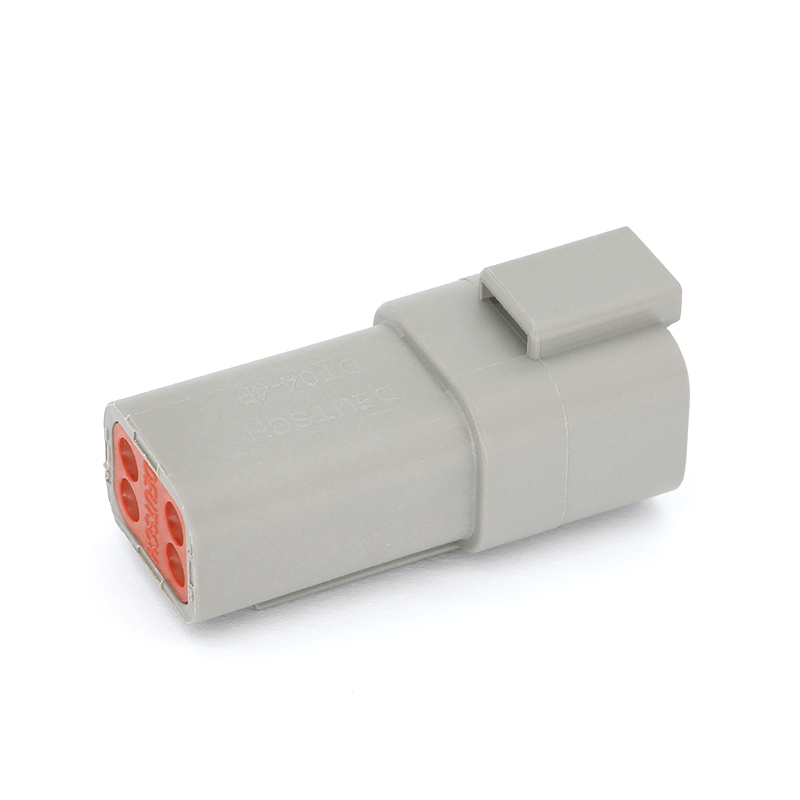
Terminal types inside an auto connector include pin, socket, and blade designs. A male auto connector features protruding terminals that insert into a female counterpart. A female auto connector contains receptacles that accept pins from the mating half. Tin-plated terminals in an auto connector suit general automotive applications with moderate environmental exposure. Gold-plated terminals provide better corrosion resistance for low-voltage sensor circuits. The terminal retention force of an auto connector should hold wires securely under continuous vibration.
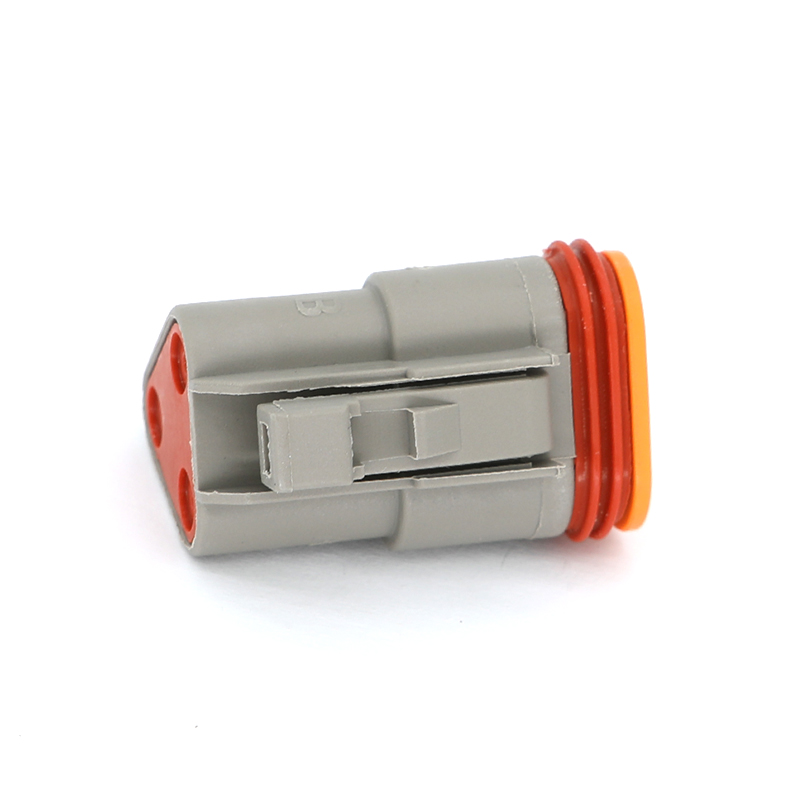
Sealing features of an auto connector protect against moisture, dust, and salt. A silicone wire seal at the cable entry prevents water from wicking into the auto connector housing. An interfacial seal between mating halves blocks moisture from reaching the terminals. An auto connector with IP67 or IP69K rating withstands temporary immersion and pressure washing. A vent membrane on some auto connector housings equalizes internal pressure while blocking water entry. A properly sealed auto connector maintains low contact resistance for years of vehicle service.
Pin configurations for an auto connector range from 2 to over 50 positions. A 2-pin auto connector suits simple devices such as horns or solenoids. A 4 to 6 pin auto connector serves tail lights, sensors, and small actuators. A 10 to 20 pin auto connector appears on engine control units and body modules. A high-density auto connector with 30 or more pins handles complex communication networks. The pin count of an auto connector should match the circuit requirements without excessive unused cavities.
Wire gauge accommodation of an auto connector affects circuit capacity. A standard auto connector accepts 22 to 18 AWG for signal and lighting circuits. A heavy-duty auto connector handles 16 to 12 AWG for power distribution to fans and pumps. The crimp barrel of an auto connector terminal must match the wire gauge for proper mechanical strength. An auto connector with mixed terminal sizes allows different wire gauges in the same housing. The wire seal of an auto connector must fit the insulation diameter of each wire.
The auto connector will likely continue evolving for higher data rates and lower voltages. For automotive engineers seeking reliable electrical interfaces, the auto connector offers a proven solution.