
 English
 русский
 Español
 عربى
 简体中文
Connector Cavity Plug Sizing Follows the Seal Series
A sealed connector housing is moulded with a fixed number of cavities, but a harness does not fill every one of them. A Connector Cavity Plug closes the cavities that stay empty, so water, dust and washing spray have no path into the housing. The plug looks like a small piece of moulded rubber, yet its size, hardness and shape match the cavity that would otherwise hold a terminal.
Why the plug follows the seal
Each cavity in a sealed housing is designed around a wire seal, the rubber sleeve that sits on the wire behind the terminal and presses against the cavity wall. The seal has an outer diameter, a lip profil e and a length. A Connector Cavity Plug uses the same outer diameter and the same lip profile, so it seats against the cavity wall the way the seal does. That is why plugs are grouped by seal series and not by wire gauge alone.
Material and hardness follow the same reasoning. A Connector Cavity Plug is made from silicone or a rubber grade close to that of the seal, and the softness sets the insertion force. A plug that is too soft slips out of position under vibration, and one that is too hard resists the fingertip during assembly. Suppliers tune the hardness so that a fitter can push the plug home by hand and feel it seat.
Shape adds convenience. A Connector Cavity Plug often carries a small flange or tail at the outer end, so a fitter can push it in with a fingertip and pull it out later with a pick. Some series are moulded in colours that match the seal series, and a fitter can then see at a glance which size belongs to which cavity.
Which cavities need a plug and which need a seal?
The answer depends on what the harness puts in each position. The table below lists the four common cases.
|
Cavity status |
What goes in |
Why |
|
Wire and terminal fitted |
Terminal with seal |
Seal closes the wire gap |
|
Position unused |
Cavity plug |
Plug closes the cavity |
|
Position kept for a later option |
Plug now, terminal later |
Same cavity is reused |
|
Two wire gauges in one housing |
Seal sized per cavity |
Each cavity keeps its series |
The second and third rows are where a Connector Cavity Plug does much of its work. A harness built for a base model leaves several positions empty, and the same housing serves a higher trim level that fills them. The base harness carries plugs in those positions, and the higher trim swaps each plug for a terminal and wire seal. The housing, the tooling and the drawing stay the same across both versions.
Plugs and the sealing rating
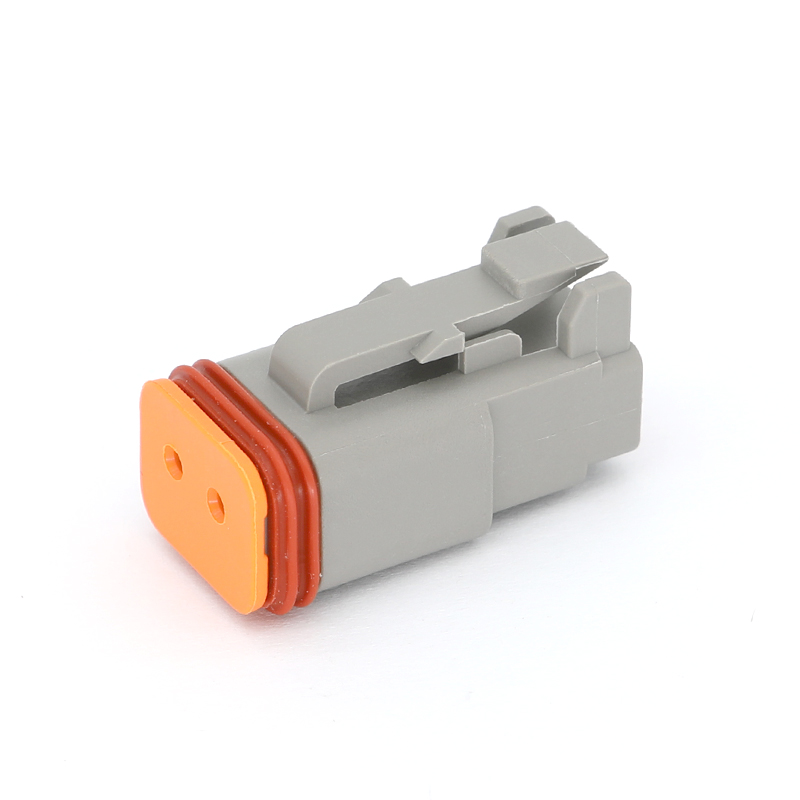
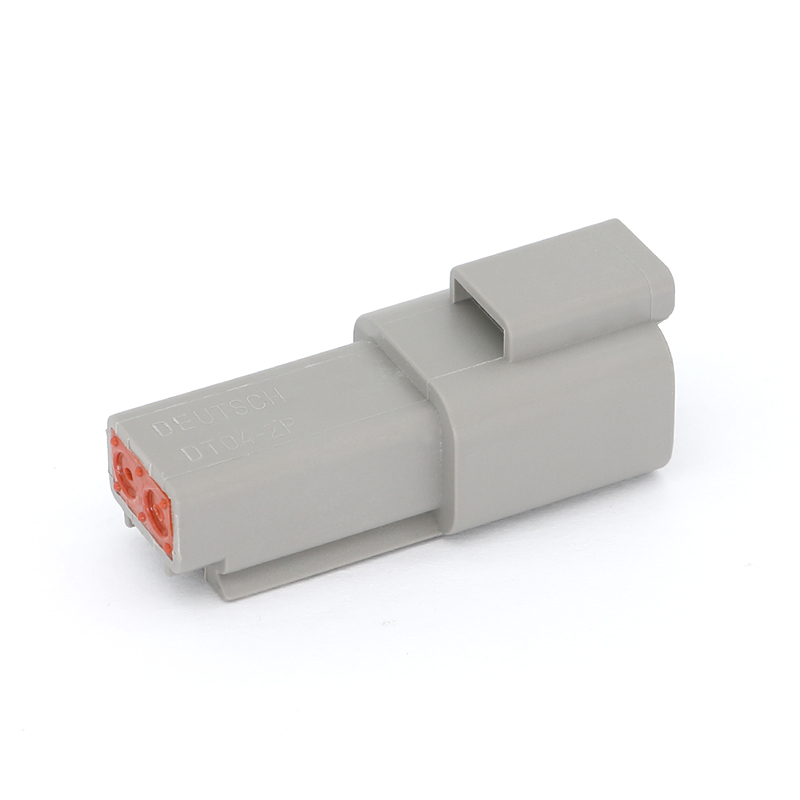
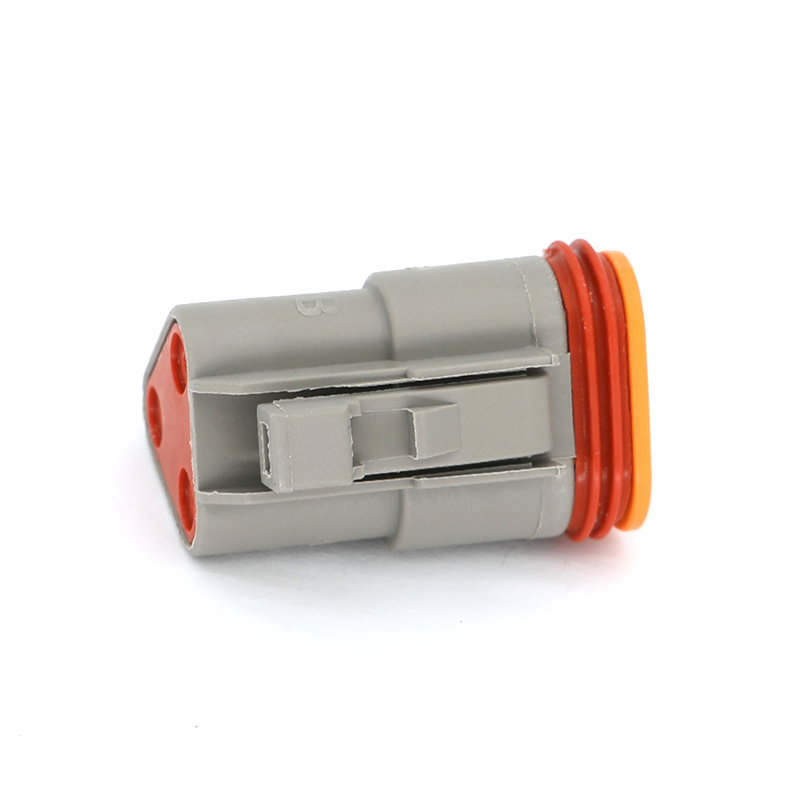
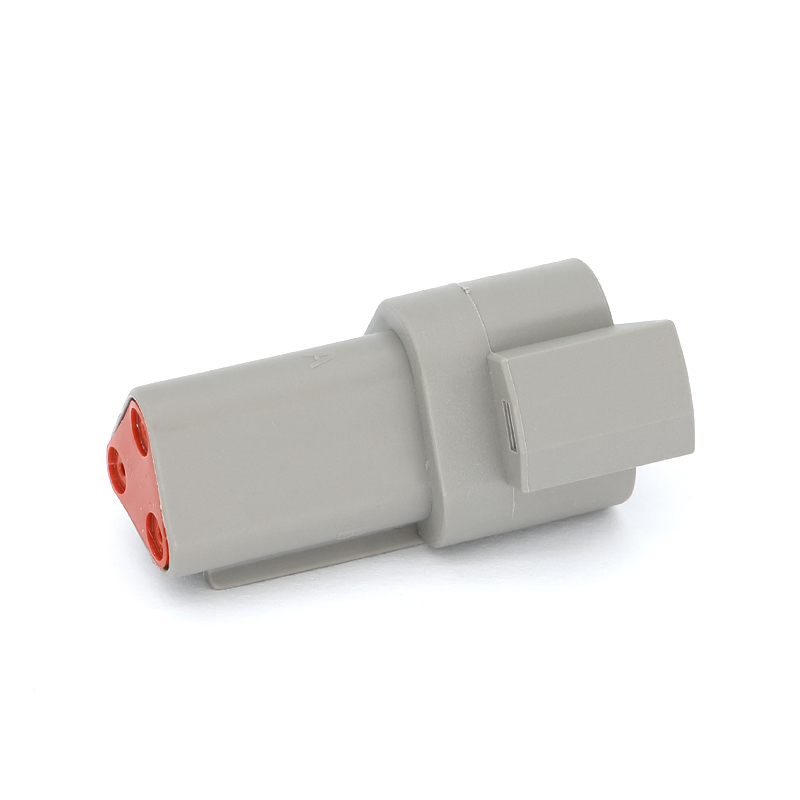
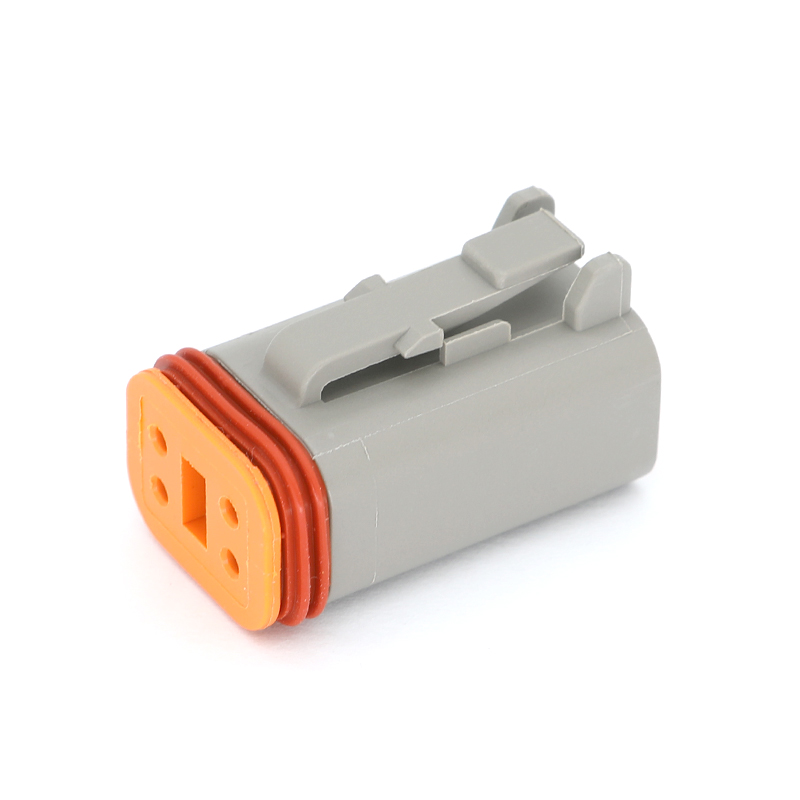
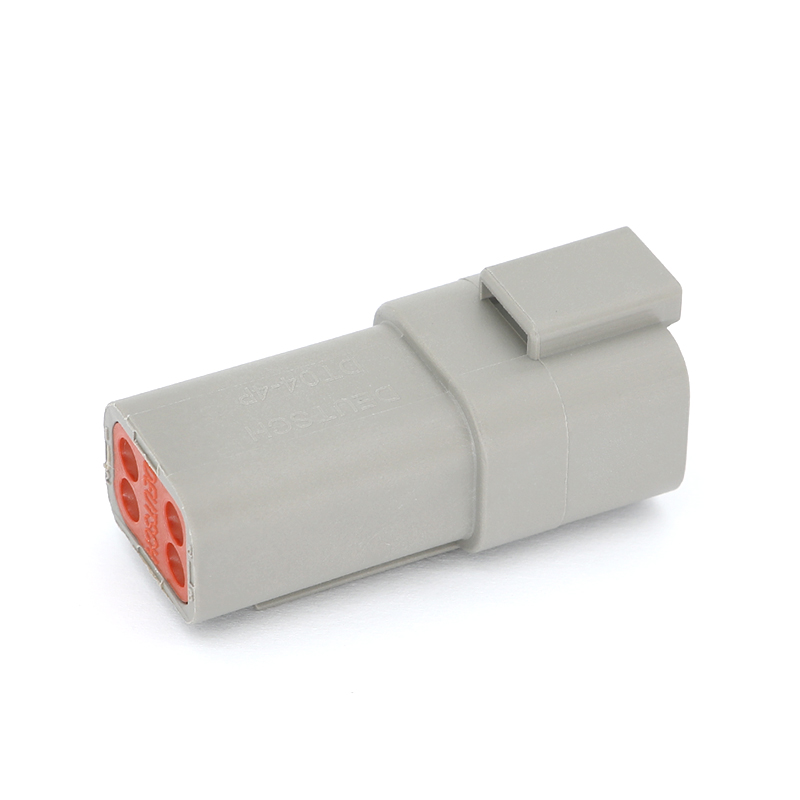
A sealed housing reaches its rating only when every cavity holds either a seal or a plug. For connectors rated IP68 and IP6K9K, such as the DT06 and DT04 plug and receptacle series on our product list, the empty positions count as much as the wired ones. A Connector Cavity Plug in each spare position keeps the housing closed at the rear, while the interface seal handles the mating face.
Plugs also protect empty cavities before the connector reaches the vehicle. During transport and storage, dust and small debris can settle in open cavities, and a fitted plug keeps them clear until the terminal is inserted. Harness makers often pack plugs with the housings, in the count set by the bill of materials for each variant. After fitting, a gentle pull on each plug confirms that it sits behind the retention lip, and a quick look at the rear face of the housing shows that no cavity has been missed. Line operators learn the pattern for each variant within a few builds, and the check takes only a few seconds per connector.
Planning plugs into a harness project
The Connector Cavity Plug count for a housing is set at the drawing stage. The engineer lists which cavities carry wires in each variant and which stay empty, and the bill of materials follows from that list. Buyers who supply several vehicle variants from one housing can request the plugs in the seal series that matches the housing, and can add a small spare quantity for line changes.
A Connector Cavity Plug ordered together with the housing arrives in the matching series, and the fitter does not need to compare diameters at the bench. Our components range lists blank plugs beside tail clips, mounting clips, rubber seals and wire sleeves, so a project can source the housing, terminals, plugs and the wire seal from one place. A Connector Cavity Plug then becomes one more line in a single order, instead of a separate search late in the project.