
 English
 русский
 Español
 عربى
عربى 简体中文
简体中文Motorcycle Wiring Connector Choices Follow Frame and Weather
A Motorcycle Wiring Connector works in a harder place than many car connectors. There is no closed body around it, the frame moves all the time, and the harness runs close to the engine, the wheels and the rider's hands. The choice of connector for a bike follows three facts: where it sits, how it moves, and what reaches it.
What the connector meets on a bike
Vibration leads the list. Engine and road movement pass into the frame every minute of a ride, so a Motorcycle Wiring Connector needs a housing lock that holds by shape and not by friction alone. A terminal that clicks in behind a moulded shoulder and a housing with a positive latch stay together on rough roads.
Water is the second fact. Rain, wash spray and splash from the front wheel reach the harness near the fork and under the seat. A Motorcycle Wiring Connector in those places uses a sealed housing, with a rubber seal on each wire and a seal at the mating face. Inside the headlamp shell or behind a fairing panel, where the space is covered, a simpler housing can do the same job at lower cost.
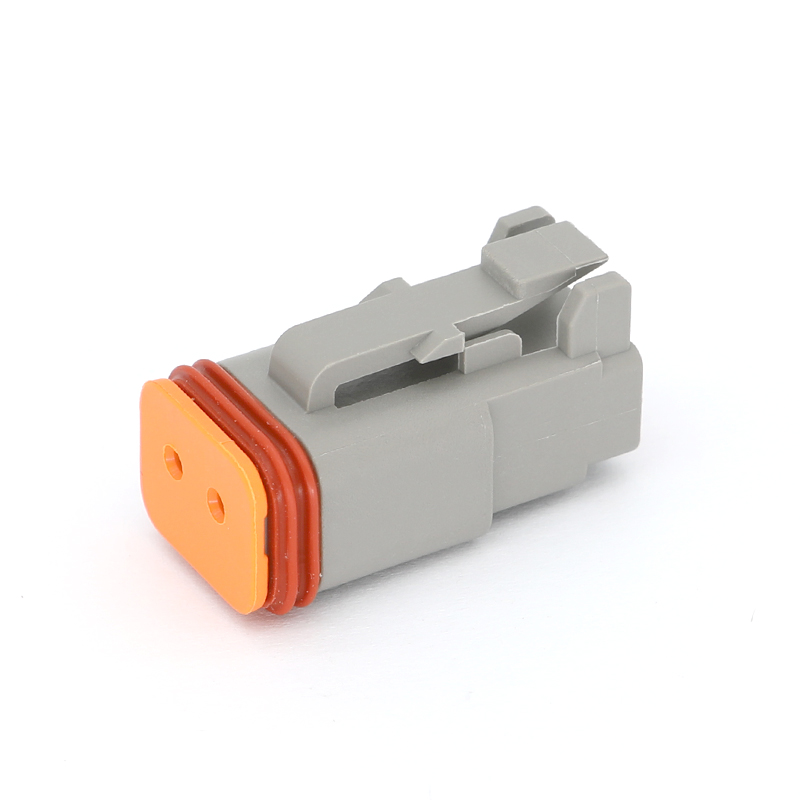
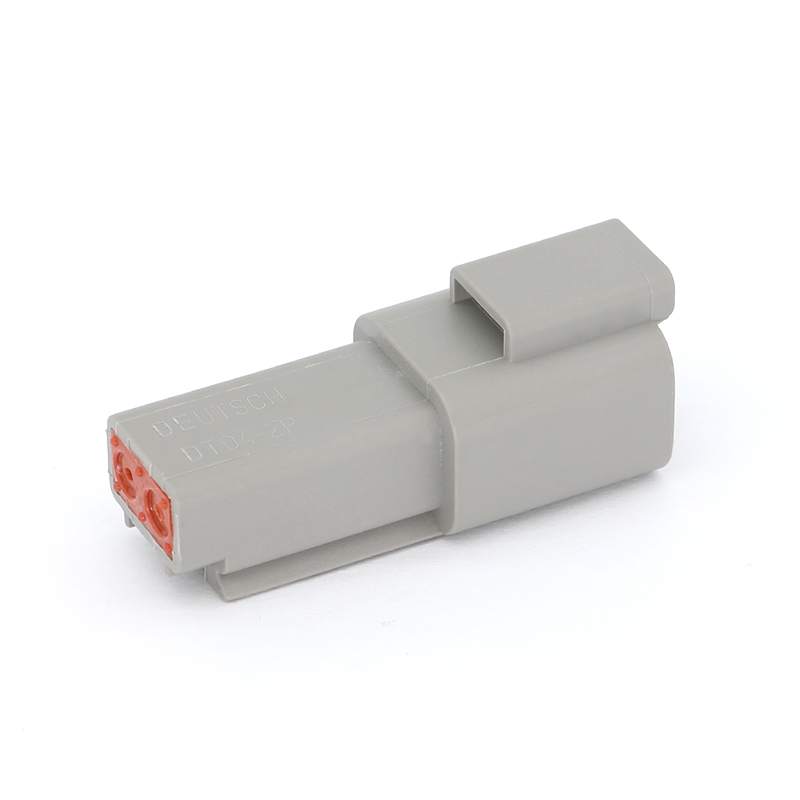
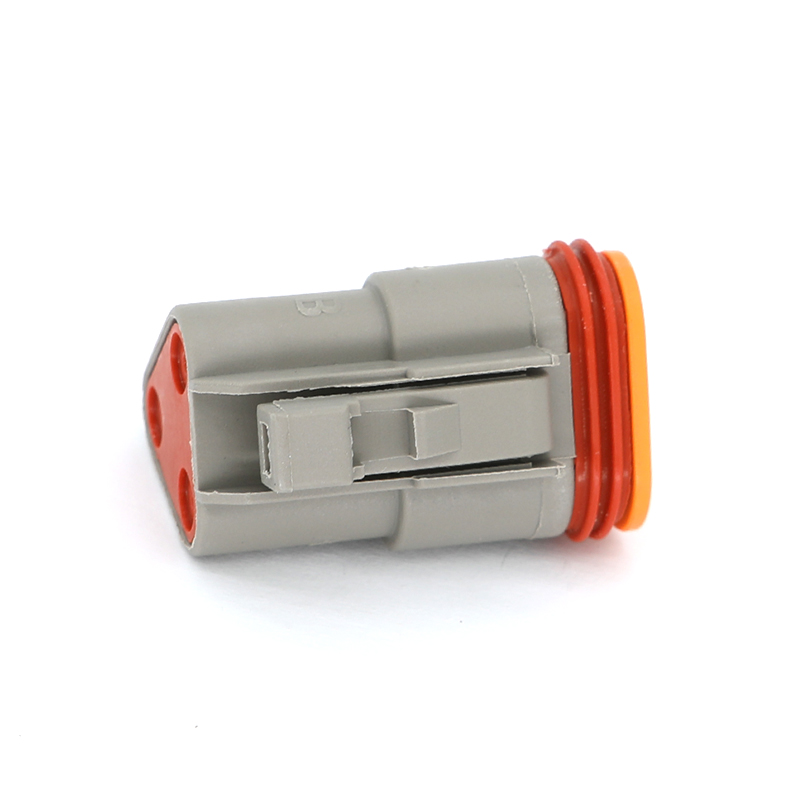
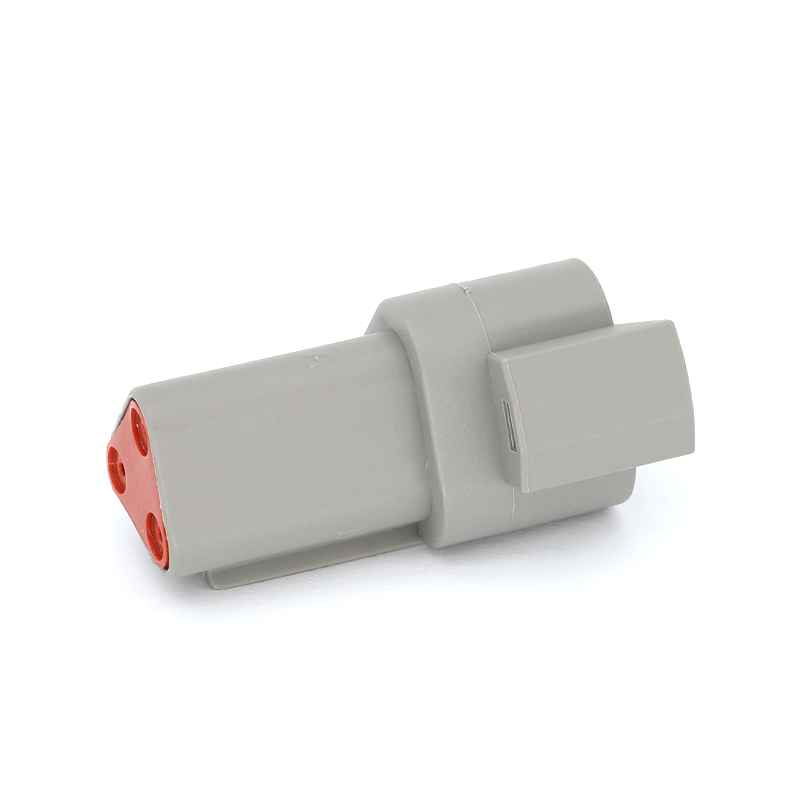
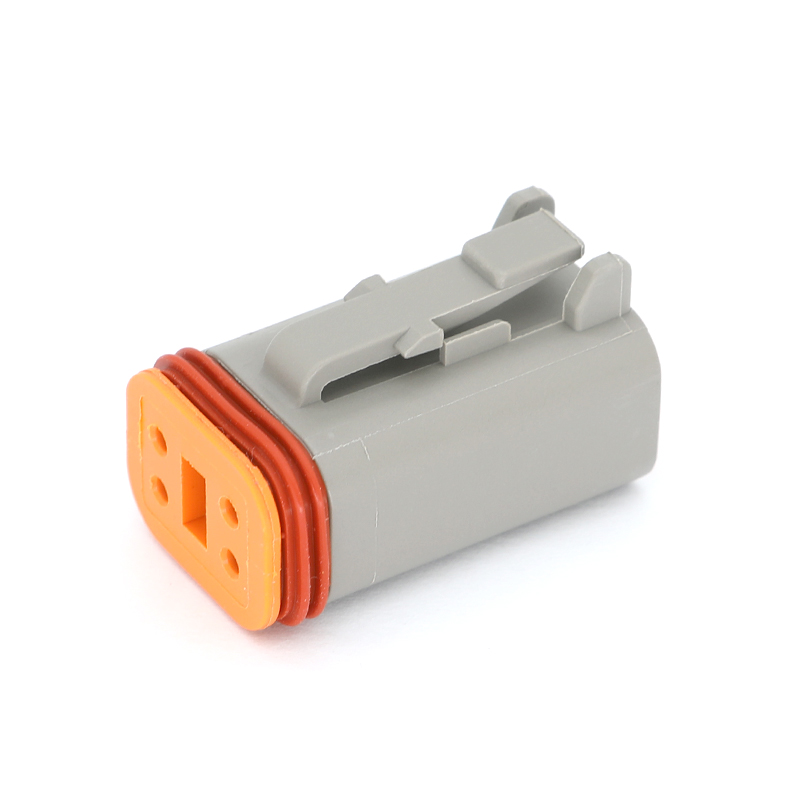
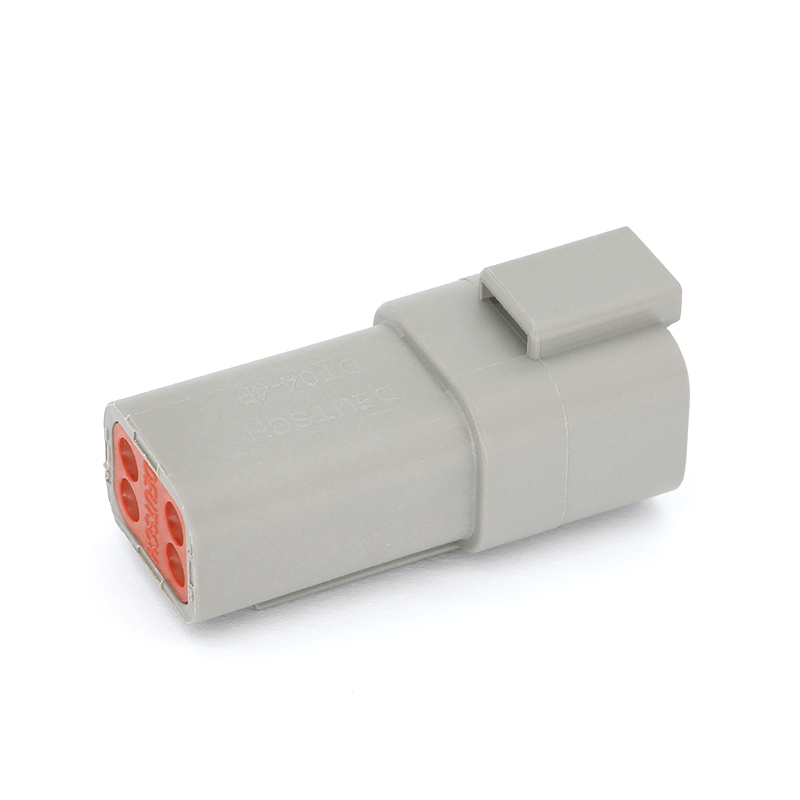
Heat is the third. Exhaust pipes and engine casings warm the air around nearby harness sections. Polyamide housings hold their shape across a wide temperature range, and the DT06 and DT04 plug and receptacle series on our product list use polyamide with an operating range from minus 55°C to plus 125°C. Those connectors are rated IP68 and IP6K9K, which suits the spray and washing that a bike sees.
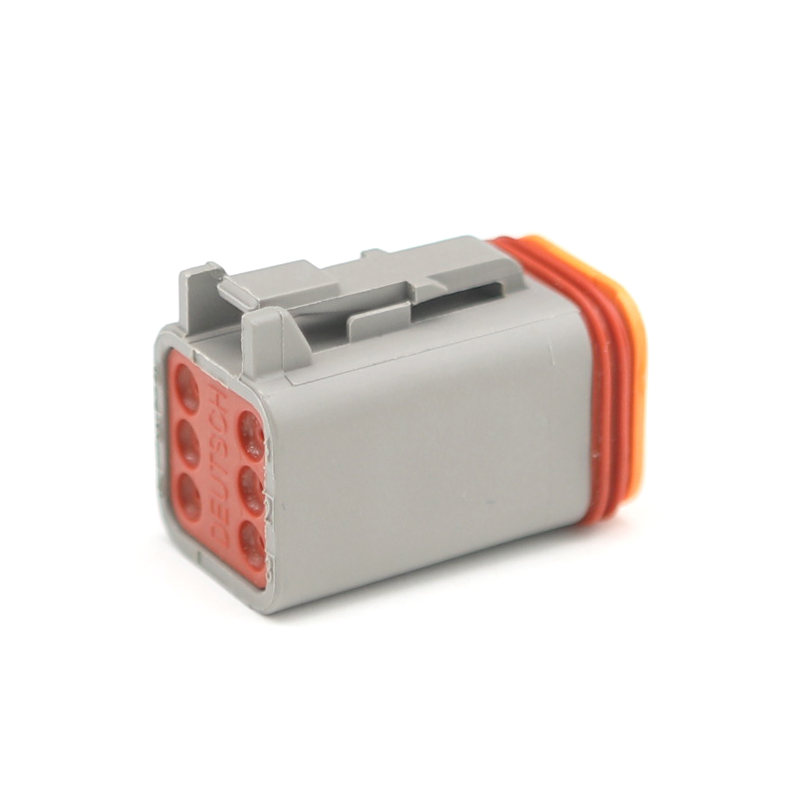
Connector types on a bike fall into three groups. Bullet connectors join single wires, such as a lamp lead. Spade terminals fit flat tabs on relays and switches. Multi-pin housings join a group of wires in one plug, such as the link between the main harness and the instrument cluster. A Motorcycle Wiring Connector from each group has its own place in the same harness.
Sizing to the frame
Space on a motorcycle is tight. Behind the headlamp, inside the tail unit and under the tank, every millimetre counts, and a compact housing gives the harness maker more freedom to route wires. A 2-way plug in the DT06 series measures 28 by 15 by 14.2mm, and the range runs through 3, 4, 6, 8 and 12 ways, so a designer can match the pin count to the circuit without carrying unused positions.
Small circuits suit the smaller housings. A horn, a lamp or a single sensor needs two or three ways. A switch cluster or a sensor group needs four to eight. Using the smallest housing that carries the circuit keeps the motorcycle wiring harness light and easier to fold around the frame.
Routing matters as much as size. The harness clips to the frame at regular spacing, and the connector sits away from moving joints. At the steering head the harness needs enough slack for the fork to turn from lock to lock, and the connector is placed on the fixed side of that loop. A Motorcycle Wiring Connector placed on a fixed frame section stays clear of bending loads.
Strain relief finishes the job for a Motorcycle Wiring Connector. A rear cover or a short length of corrugated sleeve behind the housing guides the wires away from the connector in one direction, and a clip about a hand's width behind the housing holds the bundle to the frame. That way the weight of the harness rests on the clip and not on the terminals.
Building a harness family across models
Manufacturers who build several models often share one Motorcycle Wiring Connector across them. A small number of housing sizes, used in the same plug and receptacle pairs, lets one line stock fewer parts and lets a fitter learn one set of mating habits. A colour or key code separates circuits that must not be swapped, such as the lamp circuit and the sensor circuit.
Buyers preparing a motorcycle wiring harness for a new model can start from the circuit list and select the housing for each circuit by pin count and sealing need. Housing colour, key code and packaging can be adjusted for private label lines. A Motorcycle Wiring Connector family built around three or four sizes covers many of a bike's circuits, and the harness drawing stays simple enough for a new operator to read.
When a manufacturer updates a model year, the same housings usually carry over. New circuits take the next size up, and existing ones stay where they are. That continuity keeps the motorcycle wiring harness familiar to the assembly line, and a Motorcycle Wiring Connector already in stock works in the next model without a new tool or drawing.