
 English
 русский
 Español
 عربى
 简体中文
How Do Automotive Mounting Clips Organize Vehicle Wiring?
Inside a vehicle, wiring harnesses, connectors, and hoses pass through different areas of the body and electrical system. These components need to follow specific routes without becoming tangled or interfering with nearby parts. During vehicle assembly, securing these routes is an important step. Automotive Mounting Clips provide a practical fastening solution by holding wires and related components in designated positions.
Although small in size, mounting clips influence how wiring systems are arranged during installation. Their structure, attachment method, and compatibility with surrounding components all affect the assembly process.
Why Vehicle Wiring Needs Proper Fixing
Automotive wiring harnesses connect electrical components across the vehicle. They may pass through engine compartments, doors, dashboards, and other confined spaces. Without suitable fixing points, loose wires can move during vehicle operation and come into contact with surrounding structures.
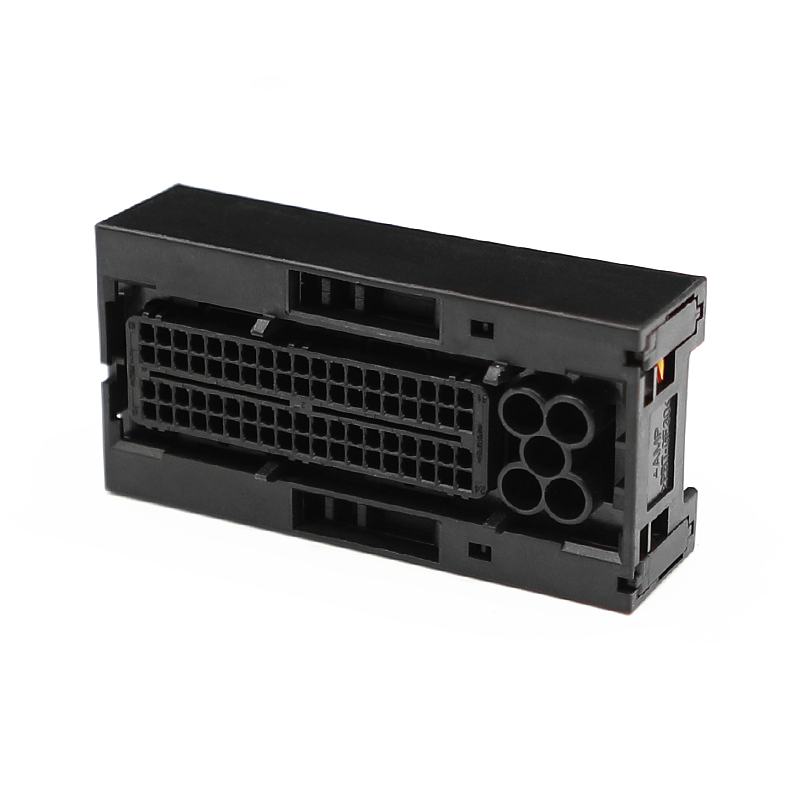
Movement between cables and nearby surfaces may cause friction, while unsecured harnesses can make assembly and inspection more difficult. Clips help maintain an organized wiring layout by keeping selected sections in position.
Automotive Mounting Clips are also used to secure hoses and other components, depending on their structure and intended application. Their role is not simply to hold an individual wire but to support a consistent arrangement of components within an assembly.
Clip Structure and Installation Position
Different vehicle areas require different fastening arrangements. Some installation points provide limited space, while others require clips that can hold several wires or accommodate a particular mounting direction.
The shape of a clip determines how it engages with the component and its mounting surface. Its opening, holding section, and attachment structure need to correspond with the dimensions of the wiring or hose being secured.
Installation position also affects clip selection. A fastening component designed for one section of a vehicle may not fit another area because the available space, mounting surface, and cable arrangement can differ.
For this reason, manufacturers consider drawings, samples, and assembly requirements when determining suitable Automotive Mounting Clips for a particular application.
Material Selection for Automotive Fasteners
Material selection influences the physical characteristics of a mounting clip, including its rigidity, flexibility, and resistance to repeated mechanical movement.
Plastic is commonly used in automotive connector components because it can be formed into different shapes and fastening structures. The material and construction need to match the intended mounting position and the components being held.
Manufacturing requirements also depend on the clip's geometry. Small variations around the holding section or attachment point may affect how the component fits during installation. Consistent molding dimensions are therefore relevant when producing clips for repeated assembly operations.
When developing Automotive Mounting Clips, manufacturers need to consider both the material characteristics and the actual mechanical requirements of the application.
How Mounting Clips Support Assembly Efficiency
In automotive production, wiring installation involves multiple operations. Workers route harnesses through designated areas, connect electrical components, and secure the wiring before other parts are assembled around them.
A suitable clip makes the fastening step more straightforward. It helps keep the harness in its intended position and reduces the need to rearrange loose sections during subsequent assembly.
Organized cable routing can also make individual connections easier to identify when different harness sections are installed in the same area. This is particularly relevant in vehicles containing multiple electrical systems and connector assemblies.
For automotive component suppliers, Automotive Mounting Clips are therefore an important part of the supporting hardware used alongside connectors, terminals, and wiring harnesses.
Production Considerations for Mounting Clip Manufacturers
Producing mounting clips involves coordinating product geometry, mold structure, material selection, and dimensional consistency. The design needs to reflect how the clip will engage with the mounting surface and hold the intended component.
For injection-molded parts, mold cavities determine the shape of the finished product. The dimensions of the holding section, openings, and connecting structures need attention during tooling development. These details influence fitting and retention during assembly.
Wenzhou Lizone Connector Co., Ltd. specializes in automotive and motorcycle electrical connector components, with production capabilities that include precision mold manufacturing and product development. Its product range covers connector-related accessories and mounting components for automotive electrical applications.
For customized Automotive Mounting Clips, technical drawings or physical samples can help clarify the required shape, dimensions, and installation method before production begins.
As vehicle electrical systems involve wiring harnesses and connections distributed across different assembly areas, Automotive Mounting Clips remain useful components for organizing and securing these installations. Their effectiveness depends on matching the clip structure and manufacturing specifications to the actual requirements of each mounting position.