
 English
 русский
 Español
 عربى
 简体中文
When Is an Automotive Removal Tool Needed?
A wiring harness can pass through several assembly and inspection stages before it becomes part of a finished vehicle. Sometimes a connection needs to be separated because a terminal has been inserted into the wrong cavity, a wiring arrangement requires adjustment, or an assembly detail needs to be checked. Pulling directly on the wire is not an appropriate approach because the connection between the terminal and the conductor may be affected. An Automotive Removal Tool provides a dedicated way to release and extract components during these operations.
In automotive electrical production, this type of tool is relevant to connector assembly, harness rework, and terminal replacement. Its function is closely related to the construction of electrical connectors and the way their internal components are held in place.
What Happens During Connector Disassembly?
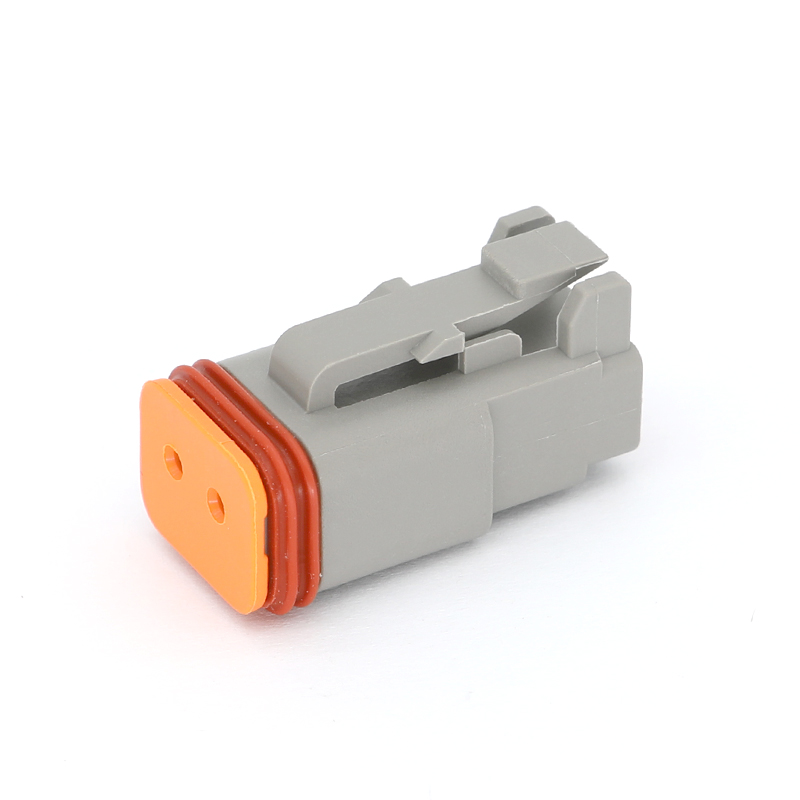
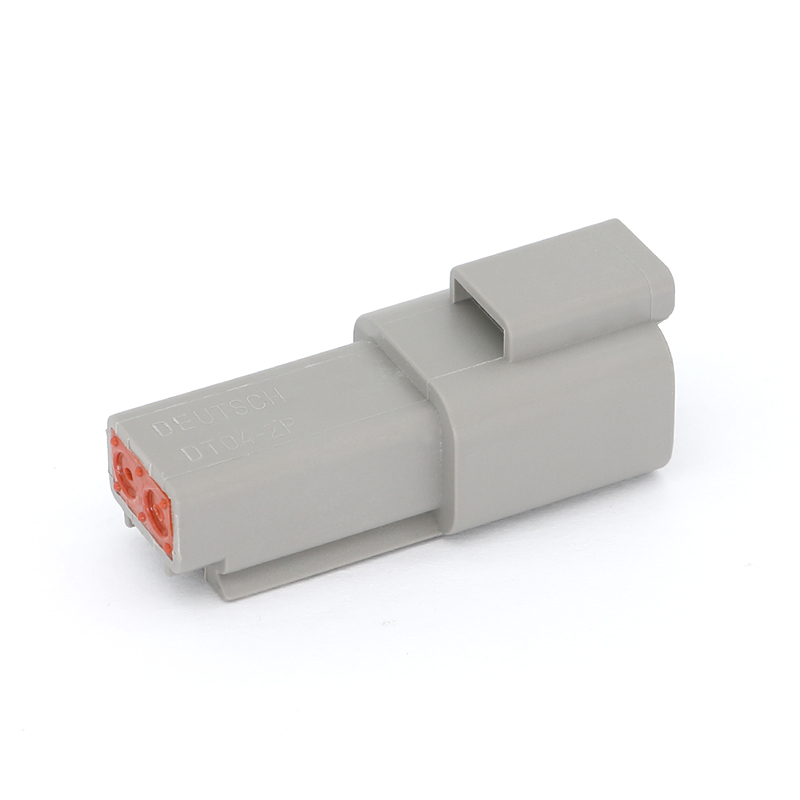
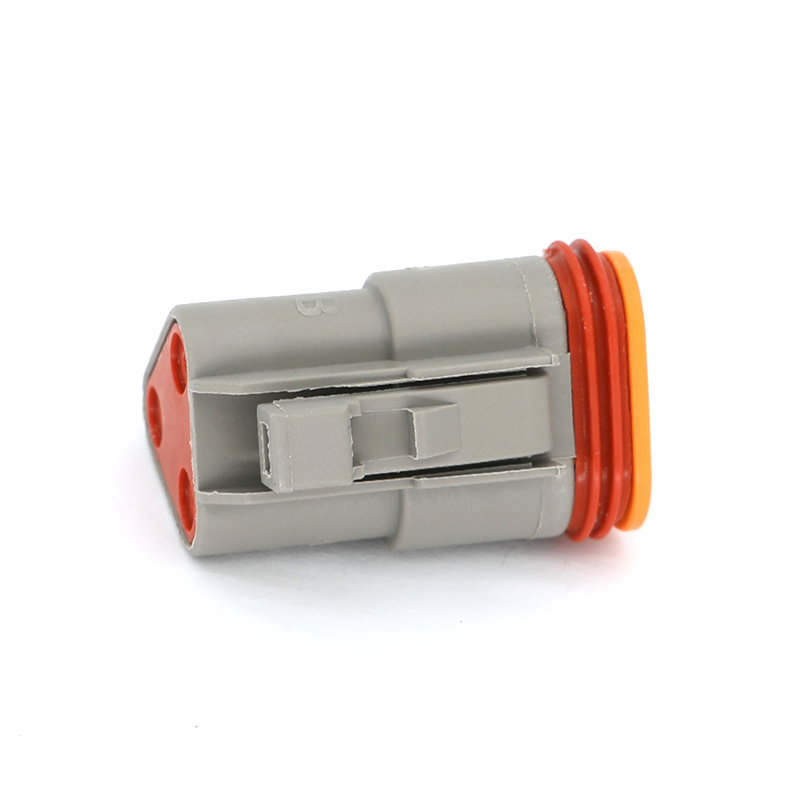
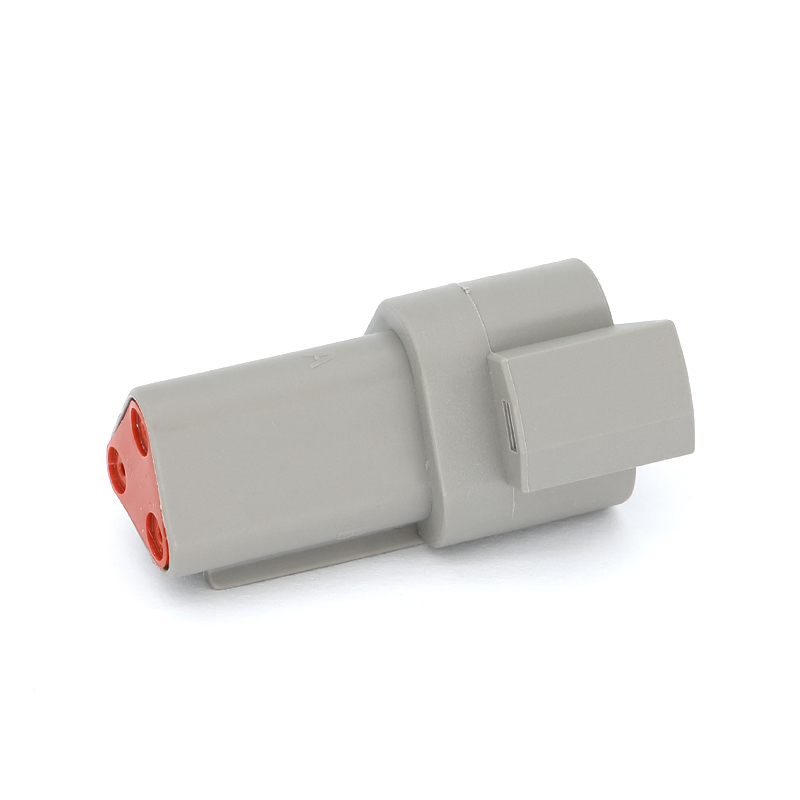
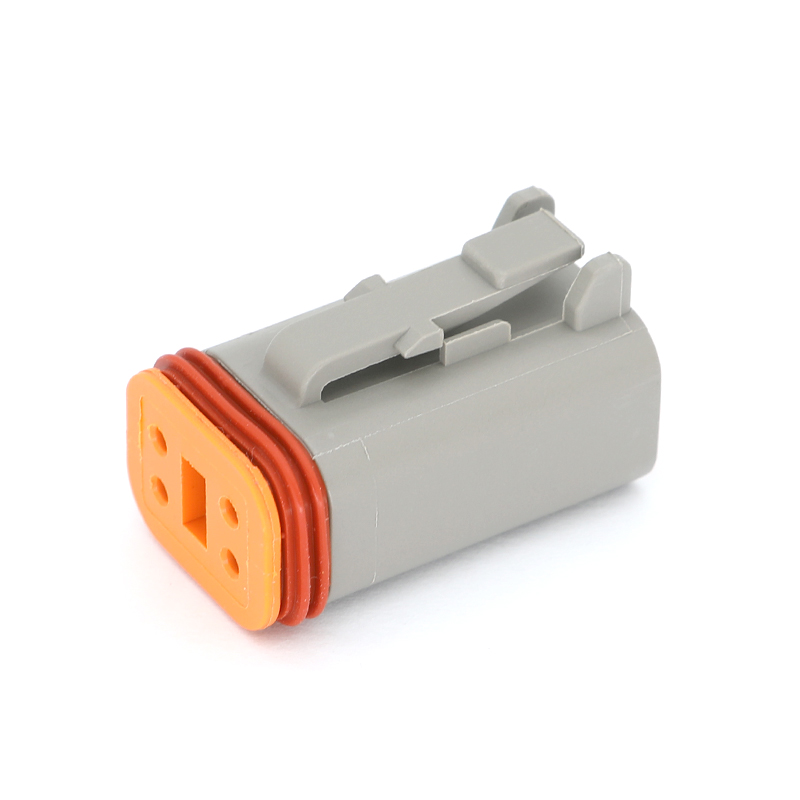
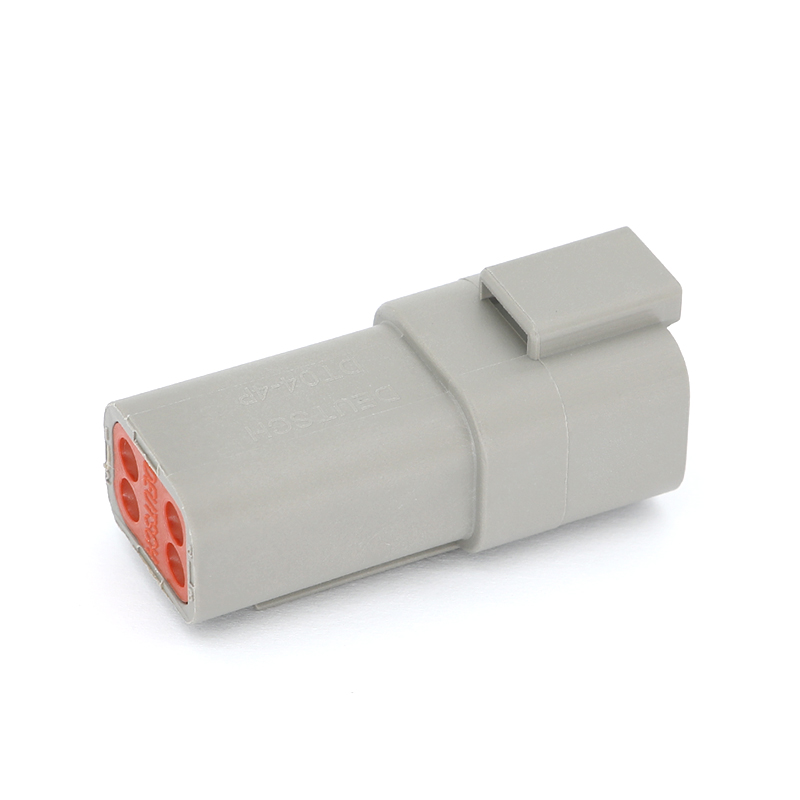
An automotive connector is made up of a housing, terminals, and, depending on its construction, additional components such as seals and locking structures. Once a terminal has been inserted into its designated cavity, the internal retention mechanism keeps it in position.

Removing that terminal requires access to the retention area. Using an improvised object may apply pressure to the wrong section of the connector or damage the surrounding housing.
An Automotive Removal Tool is intended to assist with this process by helping release wire clamps and connector terminals. Its pushing or pulling action allows technicians to separate the required component without relying on direct force against the wire.
Why Tool Selection Depends on Connector Construction
Automotive connectors come in different shapes and configurations. Their terminal sizes, cavity arrangements, and retention structures are not identical. A removal tool suitable for one connector may not fit another.
The working end of the tool needs to reach the relevant release area. Its shape and dimensions therefore influence whether it can enter the available space and engage the intended component.
Connector manufacturers and harness assemblers need to consider the connector type before selecting an Automotive Removal Tool. Matching the tool to the connection helps make terminal extraction more controlled and reduces unnecessary interference with adjacent components.
Reducing Unnecessary Damage During Harness Rework
A wiring harness may contain numerous branches and connector points. If one terminal requires repositioning, replacing an entire harness assembly may not be necessary. In suitable situations, technicians can separate the affected connection, make the required adjustment, and continue with the assembly process.
This operation requires attention to the terminal, housing, and surrounding wires. Excessive pulling can affect the conductor connection, while incorrect insertion of a release tool may deform the connector structure.
Using an appropriate Automotive Removal Tool helps technicians focus the removal action on the intended fastening point. This is particularly relevant when working with compact connectors containing multiple terminals in a limited space.
Applications Across Different Vehicle Electrical Systems
The demand for connector removal tools is not limited to passenger cars. Motorcycle electrical systems also contain wiring connections that may require terminal separation during assembly or component replacement.
New energy vehicles introduce additional connector arrangements across their electrical systems. Different connector types create different requirements for terminal access and extraction.
For this reason, Automotive Removal Tool applications cover various automotive wiring operations, including wire clamp removal, connector terminal extraction, and harness terminal disassembly. The actual tool selection depends on the connector construction and the intended operation.
Manufacturing Considerations for Removal Tools
Producing a functional removal tool involves more than forming a metal or plastic working end. Manufacturers need to consider the shape of the contact section, overall dimensions, handle construction, and the relationship between the tool and its intended connector.
Dimensional consistency is particularly relevant when a tool must enter a narrow release area. Small differences in the working end can influence accessibility and handling during extraction.
Wenzhou Lizone Connector Co., Ltd. specializes in automotive and motorcycle electrical connectors, connecting terminals, wiring harnesses, and related components. The factory also has experience in new product development and precision mold manufacturing. Its product range includes wiring tools such as the Automotive Removal Tool, supporting different connector-related operations.
For customized tooling requirements, connector samples and technical drawings can help clarify the required working shape and application. This information gives the manufacturer a clearer basis for matching tool construction to the intended disassembly task.
What Should Buyers Confirm Before Ordering?
Before placing a bulk order, purchasers should identify the connector types involved, the purpose of extraction, and the working conditions in which the tool will be used. Compatibility with the target terminal and sufficient access to the release area deserve particular attention.
An Automotive Removal Tool is a specialized accessory within automotive wiring operations. Its value comes from providing a more controlled method of separating connector components, helping harness assemblers and technicians handle terminal-related work without treating every connection as a simple pulling task.