
 English
 русский
 Español
 عربى
عربى 简体中文
简体中文Where Are Motorcycle Connectors Used In Custom Motorcycle Builds?
Electrical Upgrades Create New Connector Requirements
Motorcycle modification has become a common activity among riders who want to add new functions or improve riding experiences. Additional lighting systems, navigation devices, cameras, and other accessories are often installed after the original vehicle leaves the factory.
These upgrades usually involve changes to the electrical system. Repair shops and modification specialists need suitable connection components that match different installation conditions and vehicle layouts.
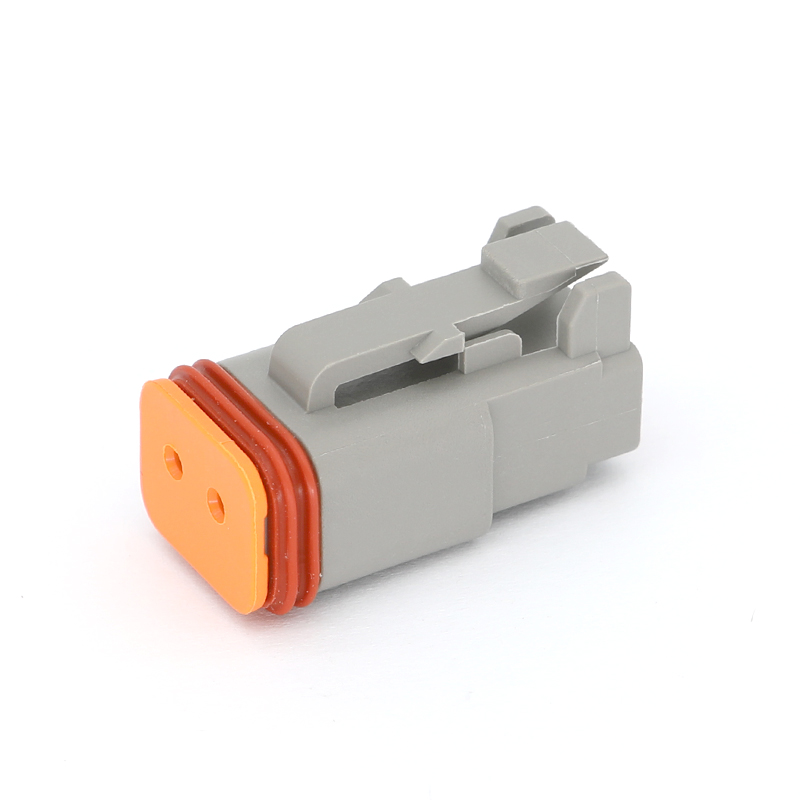
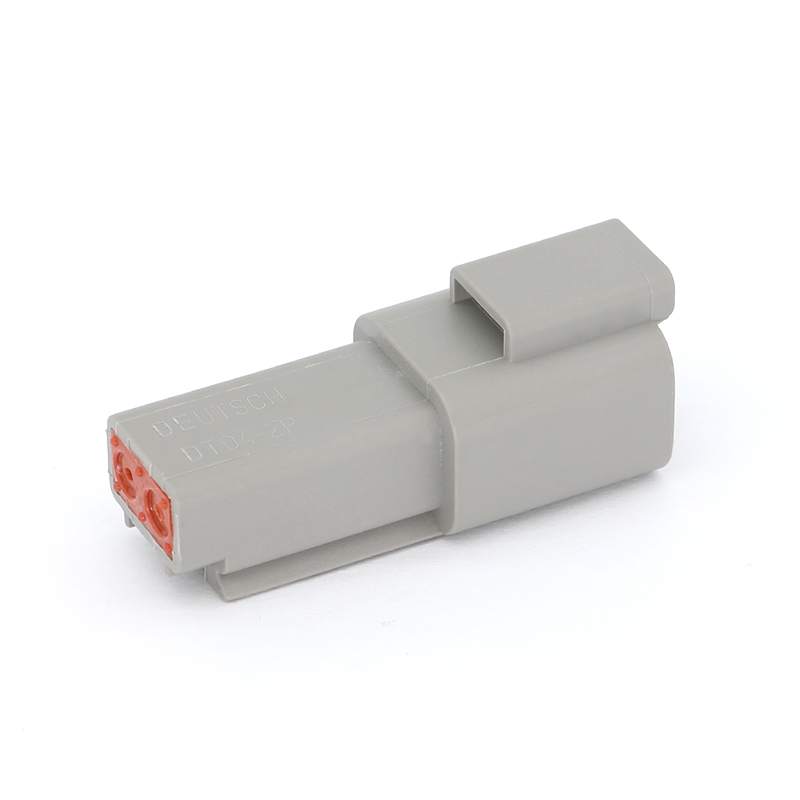
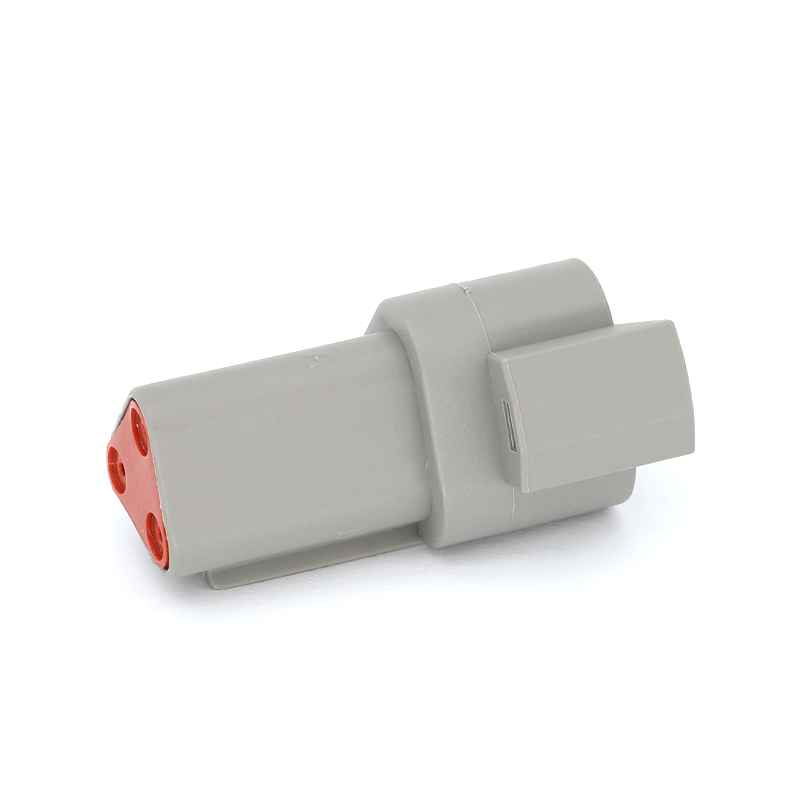
The demand for Motorcycle Connectors is closely related to these aftermarket applications. Unlike standard replacement parts, connectors used in modified motorcycles may need to support different wiring arrangements and installation requirements.
For parts distributors, understanding these applications is becoming an important part of product planning. Customers are often looking for components that can work with different motorcycle models and modification projects.
Modification Shops Pay Attention To Installation Convenience
A motorcycle modification project may involve limited installation space, especially when additional electrical equipment is added around the handlebar, lighting area, or under-seat section.
Technicians usually prefer connection components that are easier to install, inspect, and replace during maintenance work.
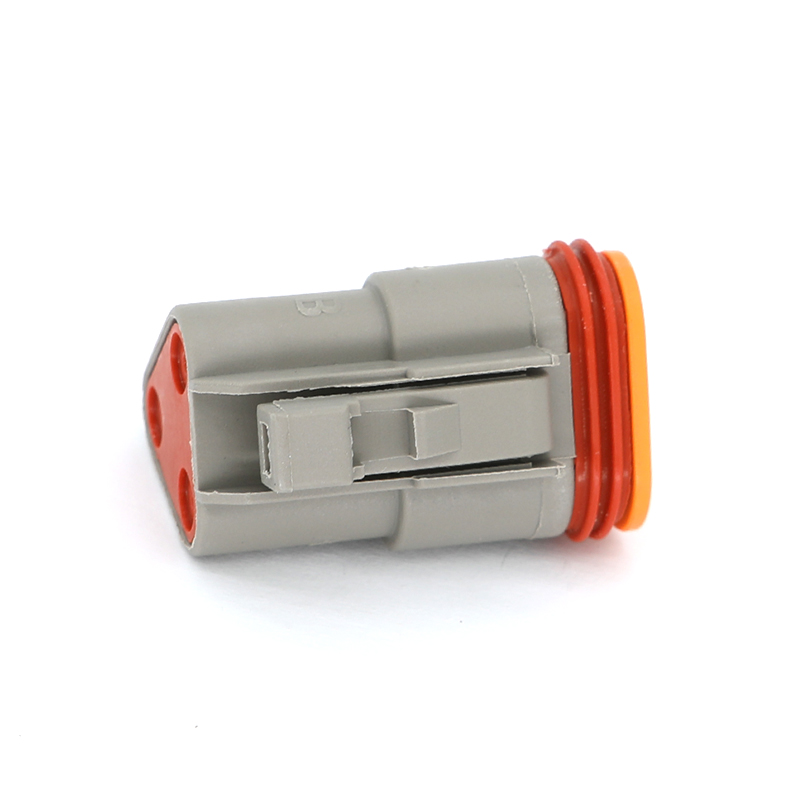
A Motorcycle Connector used in custom builds needs to fit the wiring design while maintaining stable contact after installation. Connection methods, locking structures, and size compatibility can influence the working process inside a motorcycle.
For aftermarket businesses, installation efficiency can affect customer service time. A repair shop handling multiple modification jobs may prefer components that simplify wiring management.
The demand for motorcycle wiring connectors has increased as more riders add electronic accessories to their vehicles.
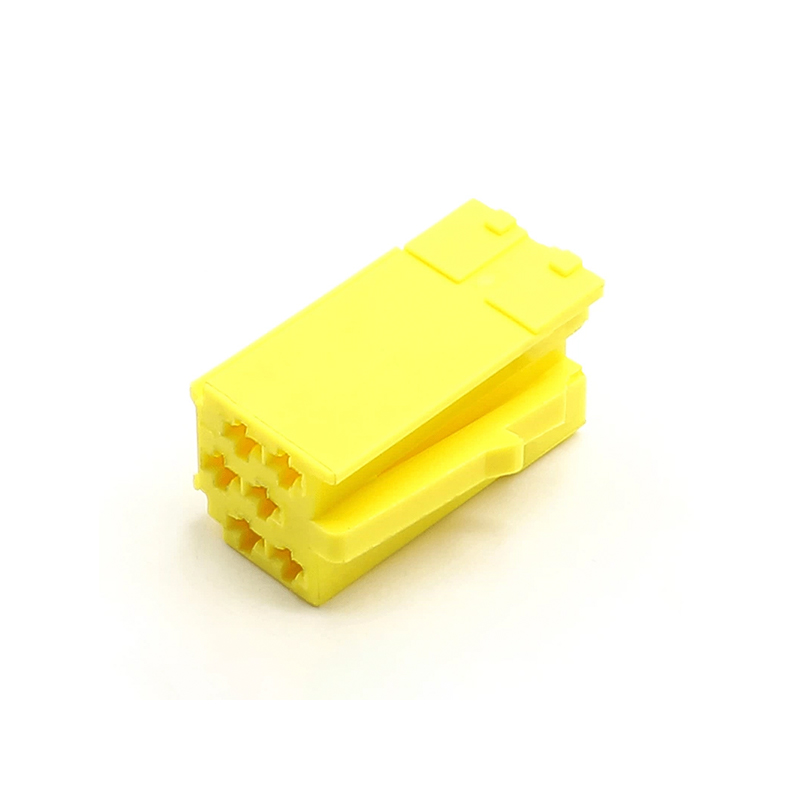
Waterproof Performance Matters In Outdoor Riding
Many motorcycle accessories are installed in areas exposed to outdoor conditions. Rain, road spray, humidity, and dust may affect electrical connections over time.
Because motorcycles are often used in open environments, aftermarket suppliers usually pay attention to connector protection when selecting components.
A Motorcycle Connectors product used for lighting, auxiliary equipment, or electrical extensions may require suitable sealing structures to reduce problems caused by moisture exposure.
For distributors, waterproof performance is often one of the details discussed with suppliers before stocking products. Different customer groups may have different expectations depending on riding environments.
Replacement Parts Create Ongoing Demand
Motorcycle ownership does not end after the original purchase. Many riders continue upgrading, repairing, or replacing components throughout the vehicle’s service life.
This creates demand for aftermarket electrical parts. Repair shops may need replacement connectors during maintenance work, while modification companies may purchase components for new projects.
Suppliers providing Motorcycle Connectors often serve different customer groups, including repair businesses, accessory sellers, and motorcycle modification companies.
Product compatibility information becomes important in these situations. Buyers need clear specifications to match connectors with different wiring systems.
Suppliers Adjust Products For Different Motorcycle Applications
The motorcycle accessory market includes many types of users. A touring rider may install communication equipment, while an urban rider may add lighting upgrades or charging devices.
These different applications influence connector requirements. Compact designs may be preferred in limited spaces, while stronger protection may be needed for outdoor-focused motorcycles.
Companies producing Motorcycle Connectors are paying more attention to these practical applications when preparing product ranges for international customers.
As motorcycle customization continues to expand, connection components remain an important part of accessory installation and repair work. Suppliers that understand modification needs and aftermarket usage scenarios are better positioned to support distributors and service businesses.