
 English
 русский
 Español
 عربى
عربى 简体中文
简体中文Which Auto Connector Fits A Custom Wiring Harness?
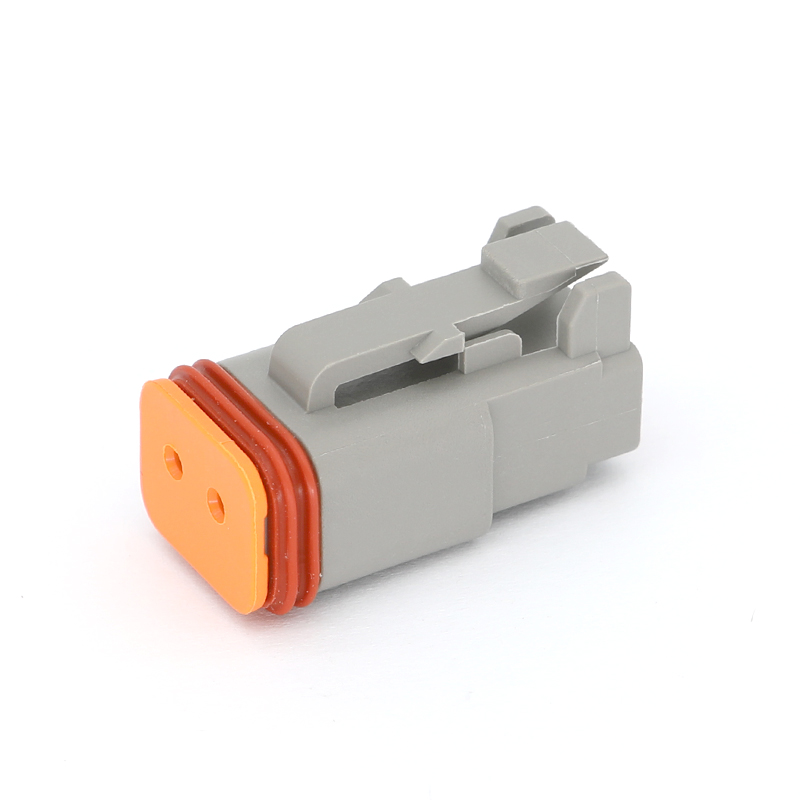
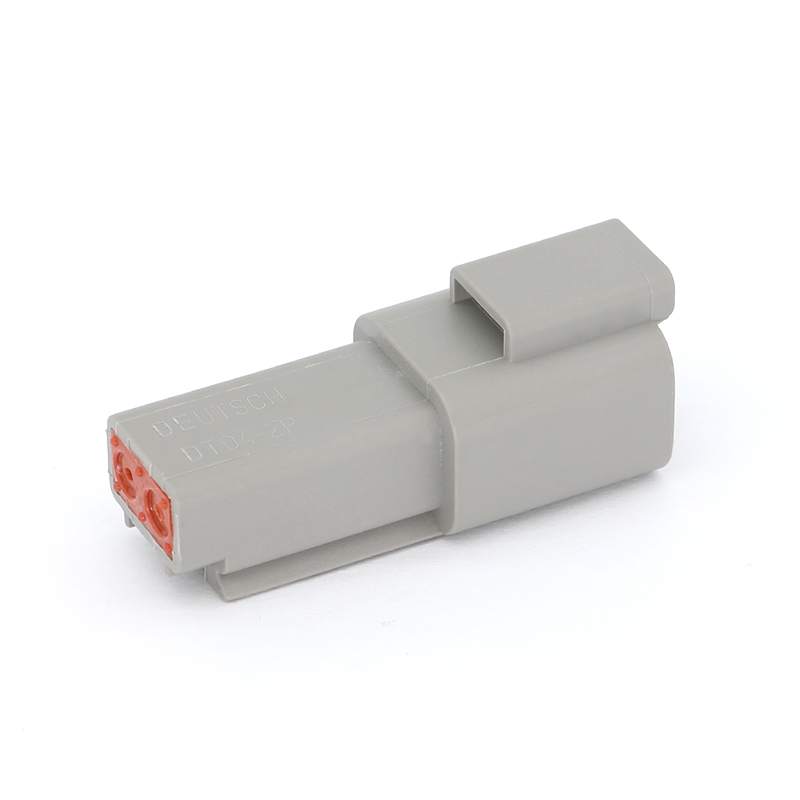
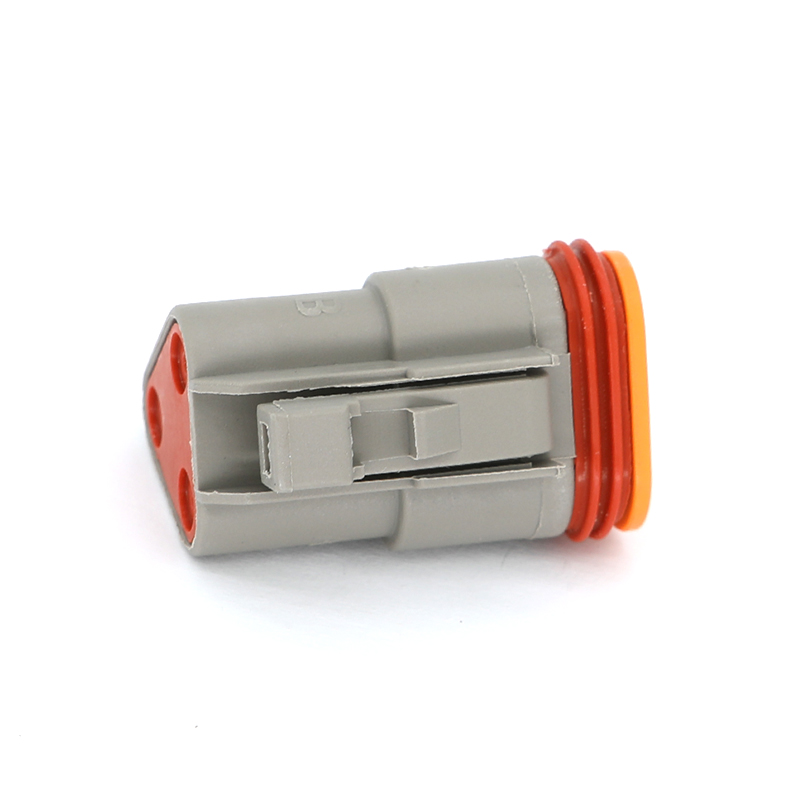
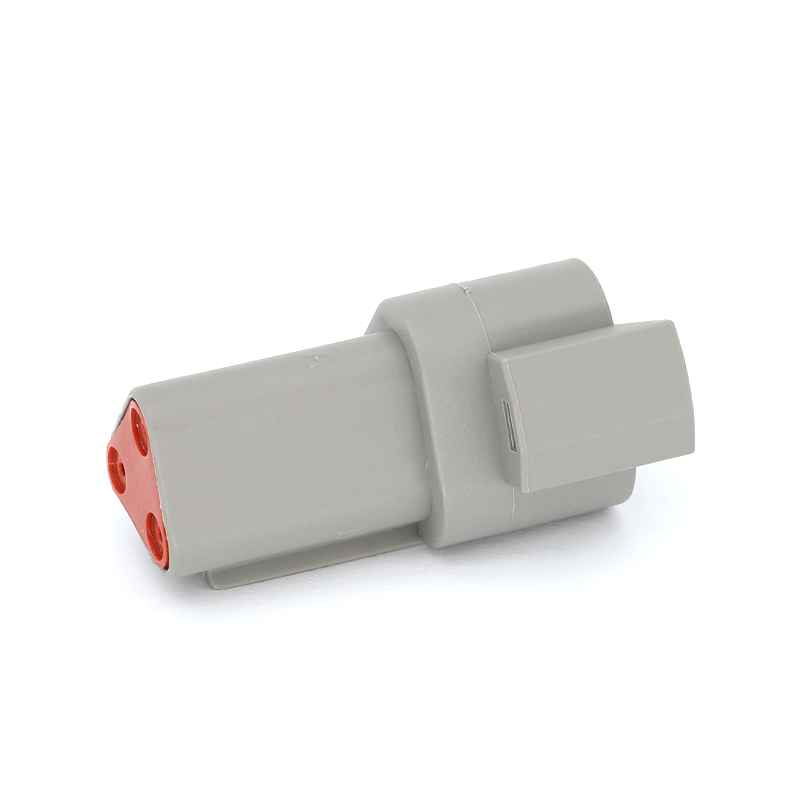
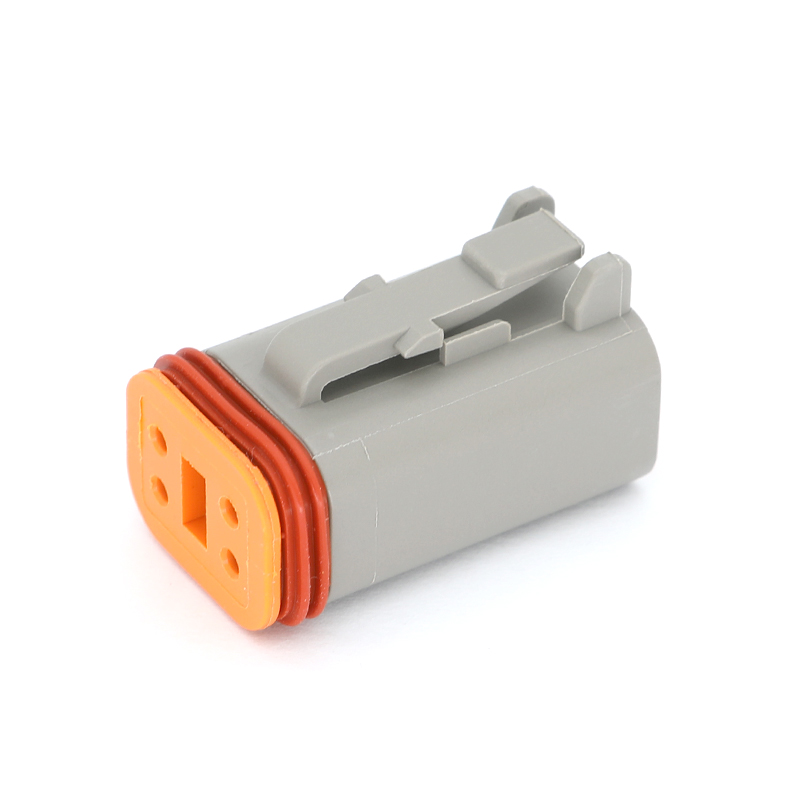
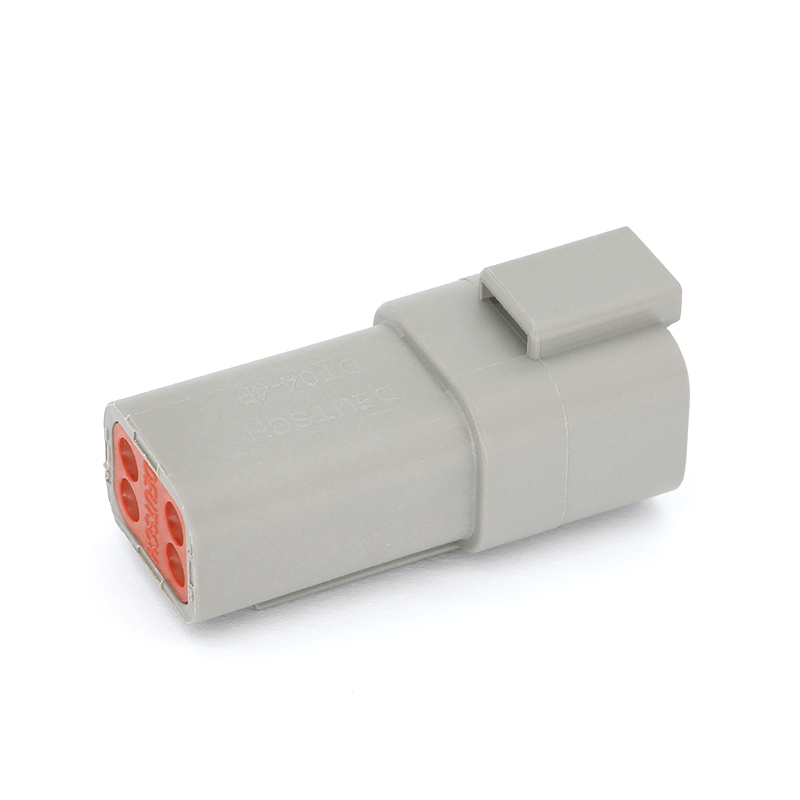
An auto connector chosen without accounting for pin count, mounting style, or gender configuration is the usual reason a harness design that looks complete on paper runs into trouble the moment someone tries to source the actual components. Selecting the right connector for a custom harness project involves more than matching a pin count; it requires thinking through mounting type, wire gauge compatibility, and how the finished assembly will actually be installed in the vehicle.
Pin Count And Circuit Planning
Harness designers typically start by mapping out how many circuits need to pass through a single connection point, then select a connector with enough positions to cover current needs plus a reasonable margin for future additions. An auto connector with too few positions forces a redesign later, while oversizing adds unnecessary bulk and weight to the harness. Product lines commonly range from single-pin connectors for simple grounding circuits up through 60-plus pin configurations used in complex control modules, so narrowing the required range early simplifies the rest of the sourcing process.
Row configuration matters here as well, since multi-row housings pack more circuits into a smaller footprint, which can be useful in space-constrained areas like dashboard wiring or engine bay junctions.
Matching Specifications To Application
|
Harness Element |
Key Specification |
Why It Matters |
|
Pin count |
Matches circuit count plus spare capacity |
Avoids redesign for future additions |
|
Wire gauge |
Compatible AWG range for terminals |
Prevents loose crimps or overheating |
|
Gender |
Plug versus receptacle orientation |
Determines the correct mating pair |
|
Mounting type |
Cable mount versus panel mount |
Fits the physical installation point |
|
Current rating |
Matches the expected circuit load |
Prevents overheating at the contact |
A wiring harness connector selected against this kind of checklist tends to integrate more smoothly into final assembly than one chosen purely on pin count or price.
Wire Gauge And Termination Compatibility
Terminal crimp barrels are sized for a specific wire gauge range, commonly 14 to 20 AWG in many automotive-grade connectors, and using wire outside that range compromises the crimp connection even if the connector housing itself is compatible. An auto connector paired with the correct terminal and wire gauge combination maintains consistent contact resistance across the circuit, while a mismatch here is a common source of intermittent electrical faults that are difficult to trace after installation.
Termination style also affects assembly speed on a production line, since crimp-style terminals suit high-volume harness manufacturing better than solder connections, which require more manual labor per unit.
Working With A Connector Supplier On Custom Builds
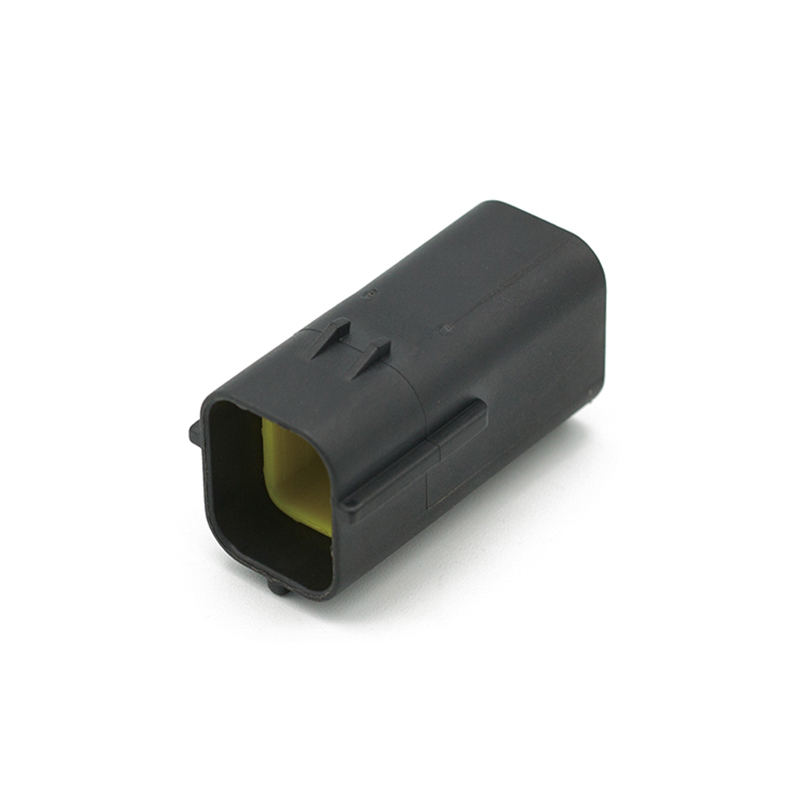
Harness manufacturers sourcing components for a new vehicle platform or aftermarket project often need connector configurations that fall outside standard catalog listings, whether that means a specific color coding scheme, a modified pin layout, or packaging suited to automated assembly equipment. A supplier able to support custom tooling and small-batch prototyping for a wiring harness connector line makes it easier to validate a design before committing to full production volume.
Confirming times for custom configurations early in the design process also matters, since connector sourcing delays are a common bottleneck in harness manufacturing timelines, particularly when a project depends on components outside a supplier's standard inventory.
Coordinating Connector Choice With Harness Assembly
Choosing an auto connector in isolation from the rest of the harness design tends to create fitment problems once the physical assembly begins, particularly around mounting brackets, wire routing paths, and the space available near the final installation point. Coordinating connector selection with the broader harness layout from the start, rather than treating it as a separate sourcing task, generally produces a finished assembly that installs cleanly and performs consistently once it's in service.