
 English
 русский
 Español
 عربى
عربى 简体中文
简体中文Which Applications Require Amphenol Connector Solutions?
In electronic manufacturing, small connection failures can create problems far beyond a single component. A loose connection, unstable signal transmission, or unsuitable interface design may affect the performance of an entire system.
This is why engineers and purchasing teams often review connector choices at an early stage of product development. The discussion usually involves working conditions, installation space, electrical requirements, and expected service life.
For companies sourcing Amphenol Connector products, application details often determine the right solution. Industrial equipment, communication systems, transportation projects, and electronic devices may require different connector structures.
Instead of selecting components only from catalogs, many buyers now communicate directly with suppliers about project requirements before confirming orders.
Connector Design Depends On Working Environments
A connector used inside a controlled factory environment may face different conditions compared with one installed in transportation equipment or outdoor systems.
Temperature changes, vibration, moisture exposure, and frequent connection cycles can influence component selection. Engineers usually consider these factors when reviewing connector specifications.
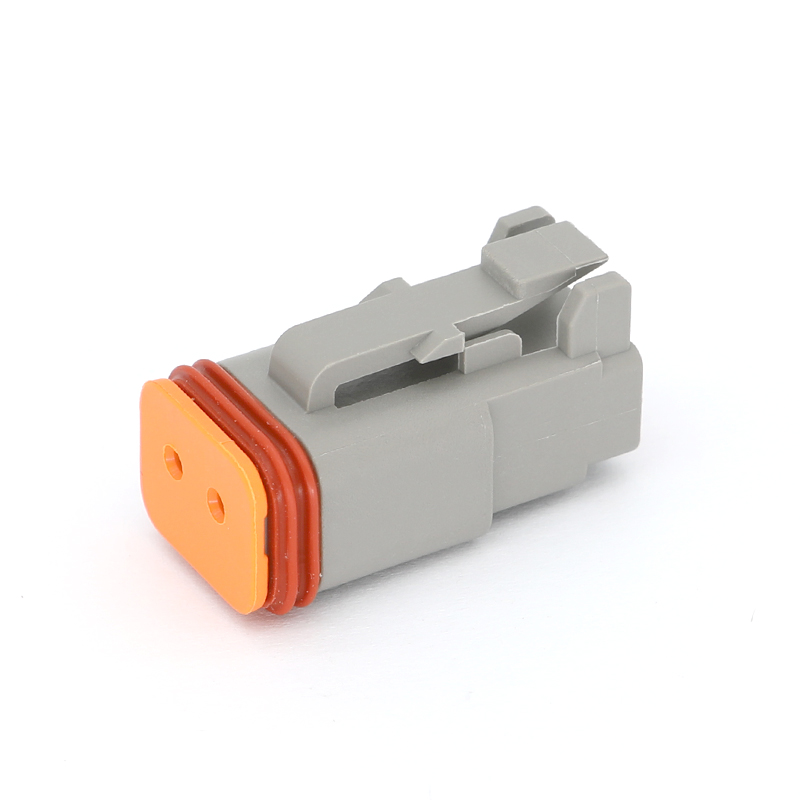
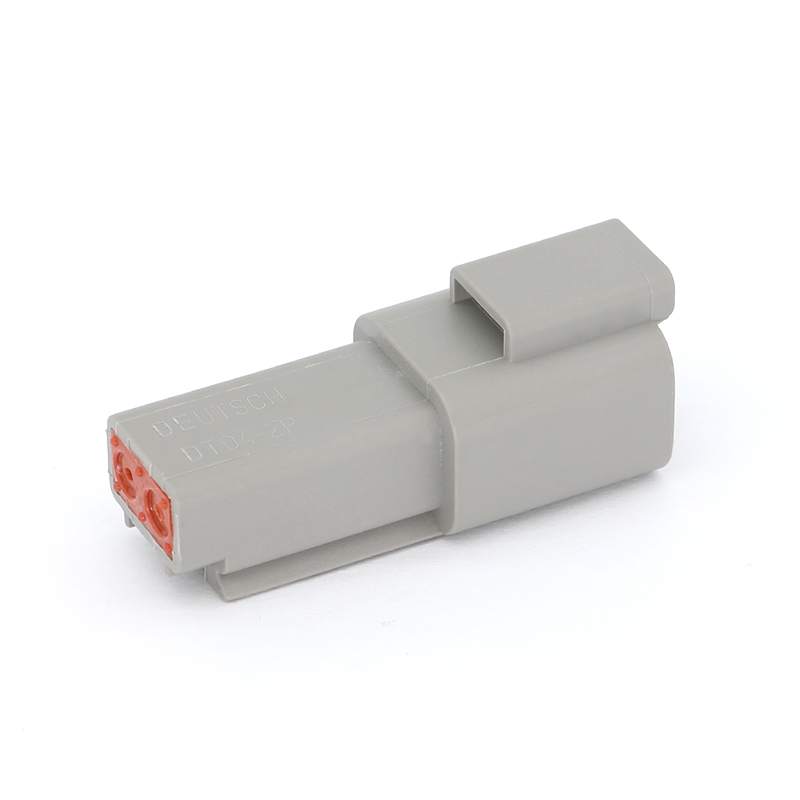
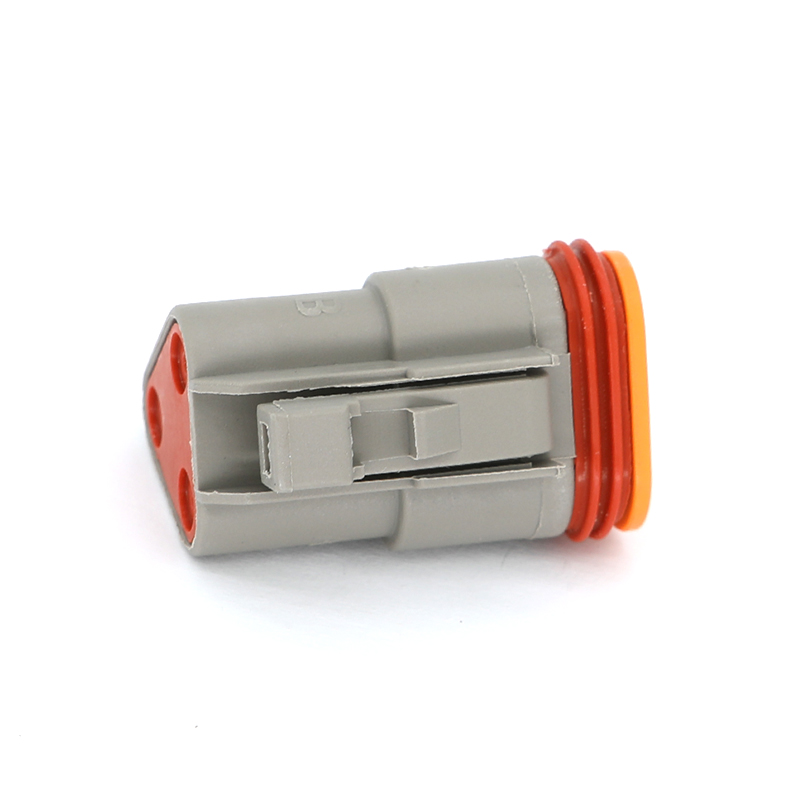
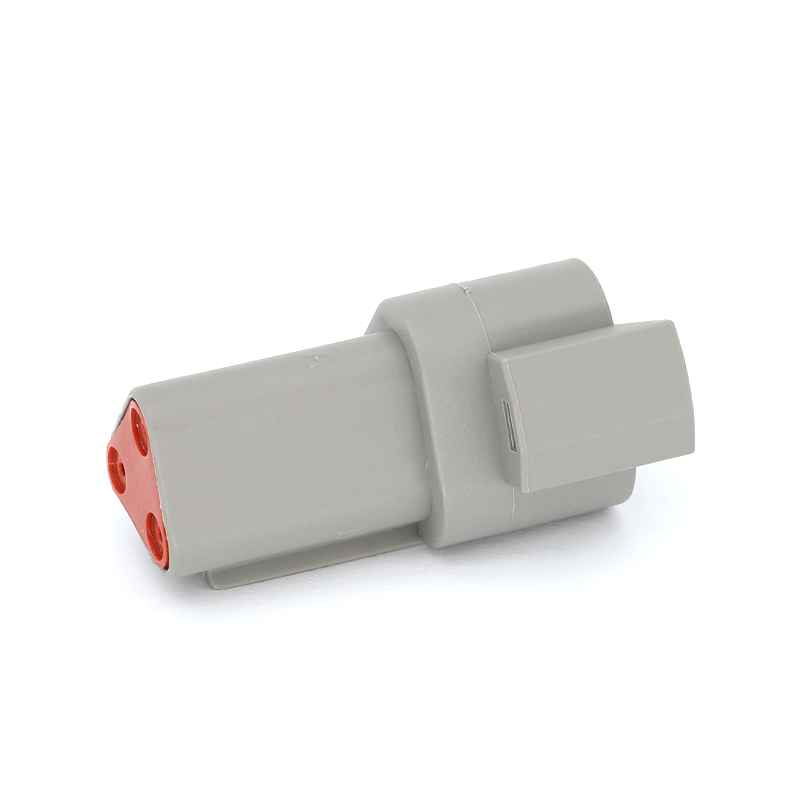
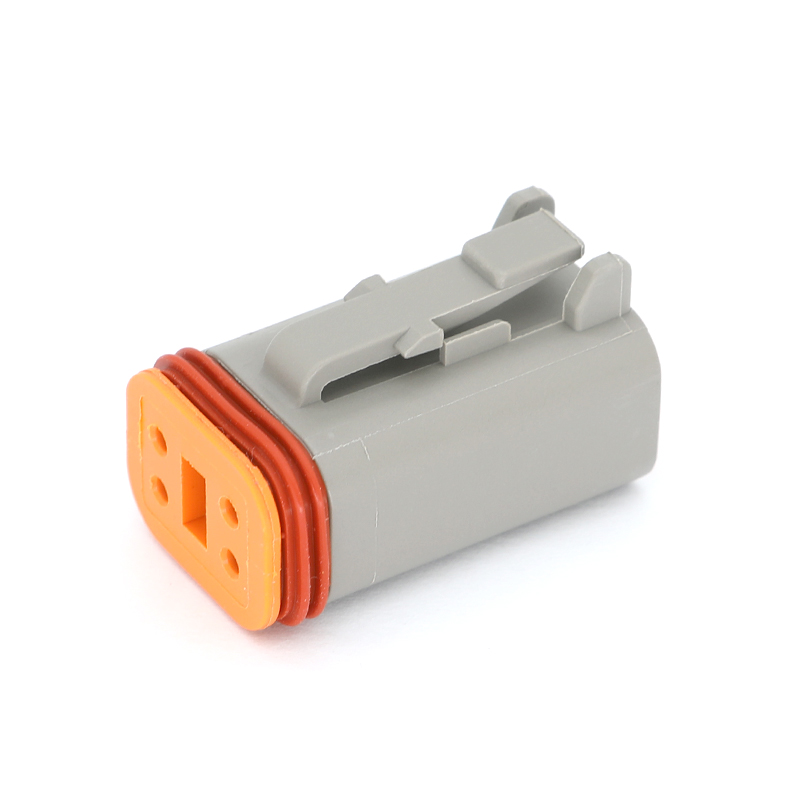
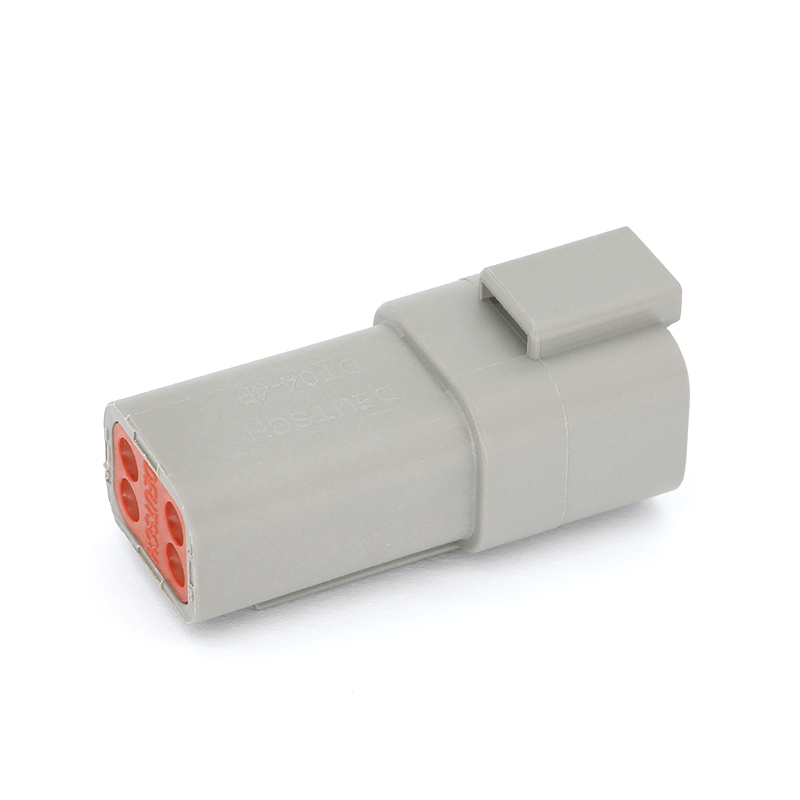
A Amphenol Connector used in industrial applications often needs to match the mechanical and electrical conditions of the equipment where it will be installed.
During production, connector suppliers pay attention to contact materials, housing structure, assembly accuracy, and inspection procedures. These details influence how the final component performs after integration.
The demand for industrial electrical connectors has also encouraged suppliers to provide more application-focused support rather than only standard product supply.
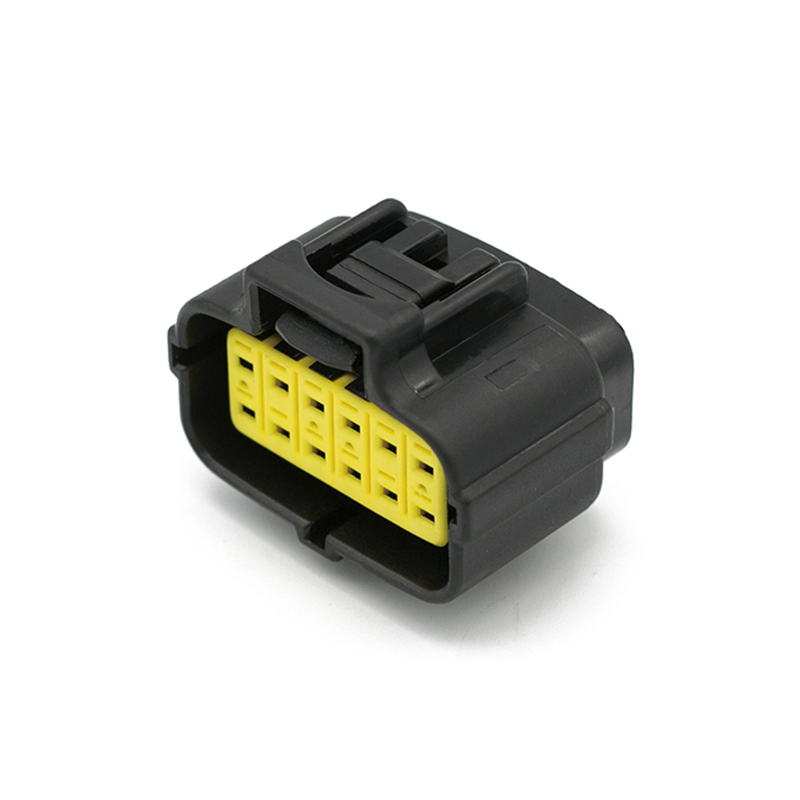
Manufacturing Precision Influences Connector Performance
Connector production involves multiple detailed processes. Metal contacts, plastic housings, plating treatments, and assembly procedures all need to meet specific requirements.
For a Amphenol Connector order, quality checks may include dimensional inspection, contact testing, and appearance verification before shipment.
Small variations in component size can affect assembly efficiency when connectors are used in large electronic systems. Because of this, manufacturers usually maintain strict production control during different manufacturing stages.
Buyers handling large projects often request samples before mass production. Testing samples in their own systems allows engineering teams to confirm compatibility before placing larger orders.
Different Industries Create Different Connector Requirements
Connector applications continue to expand across many fields. Automation equipment, automotive electronics, communication devices, and industrial control systems all have their own connection requirements.
A supplier working with Amphenol Connector products may receive different requests depending on the customer’s industry. Some projects focus on compact design, while others require stronger mechanical protection.
For distributors, product availability and technical communication are also important parts of supplier cooperation. They need clear information when supporting customers from different markets.
The role of electronic connector solutions has become increasingly connected with product development because connectors are often selected together with the overall system design.
Suppliers Focus On Long-Term Technical Cooperation
Connector purchasing is usually not a one-time decision for industrial customers. Many companies continue working with suppliers that understand their product requirements and can provide stable production support.
Companies involved in Amphenol Connector supply are paying attention to engineering communication, manufacturing consistency, and order management.
As electronic equipment becomes more specialized, connector selection is becoming closely related to system reliability and production planning. Suppliers that understand application conditions and maintain accurate manufacturing processes can better support international customers.