
 English
 русский
 Español
 عربى
عربى 简体中文
简体中文How Does An Auto Connector Resist Water And Corrosion?
An auto connector exposed to rain, road spray, or a pressure washdown is usually the hidden cause when a dashboard warning light flickers only in wet weather or a trailer signal cuts out after a wash. Moisture finding its way into a connection point that was never properly sealed tends to be the real source of these intermittent faults, and since this connector sits under the hood or along a chassis harness, dealing with splashing water, road salt, and constant temperature swings, understanding how sealing actually works helps explain why some connectors last for years while others fail within a single season.
Sealing Design And IP Ratings
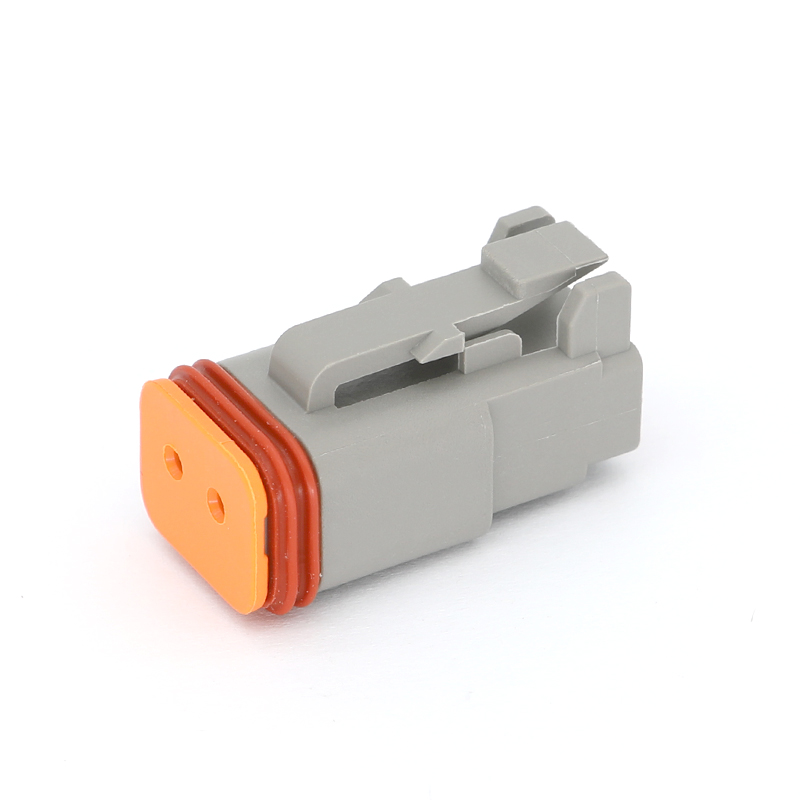
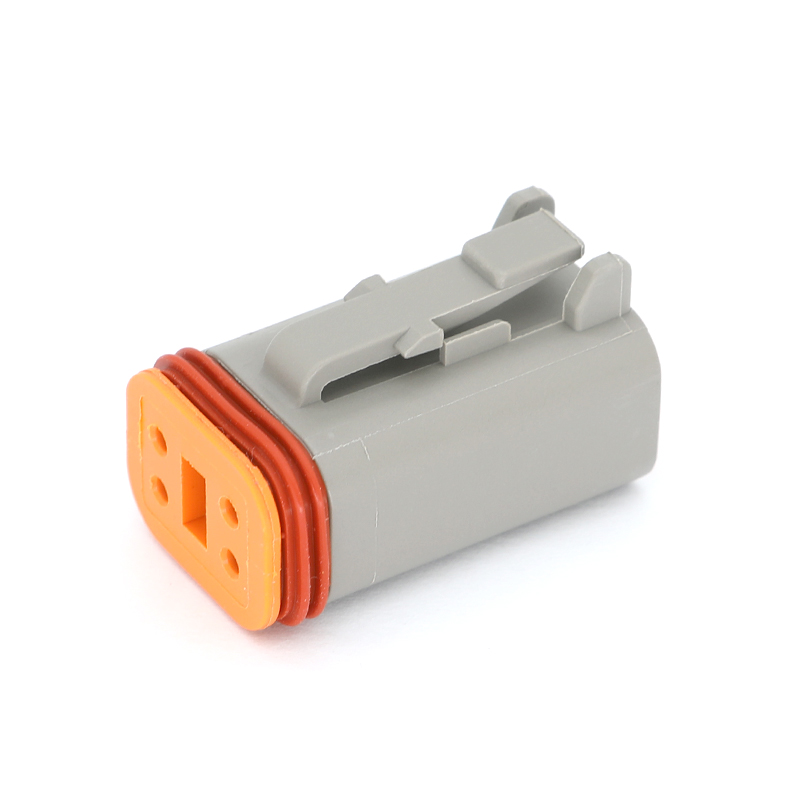
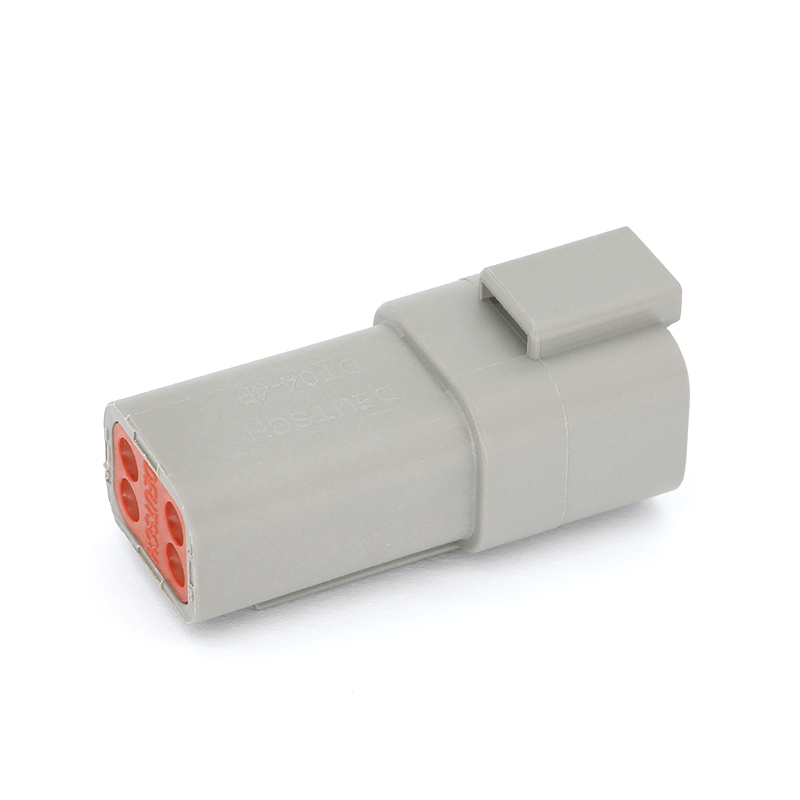
Ingress protection ratings describe how well a housing keeps out dust and water, and automotive-grade connectors carry IP68 or IP6K9K classifications, meaning they withstand both submersion and high-pressure washdown. An auto connector built to these standards typically relies on molded silicone seals at the wire entry points and a mating interface gasket that compresses when the housing locks together. Without this dual-seal approach, moisture can migrate along the wire itself even if the connector face looks properly closed.
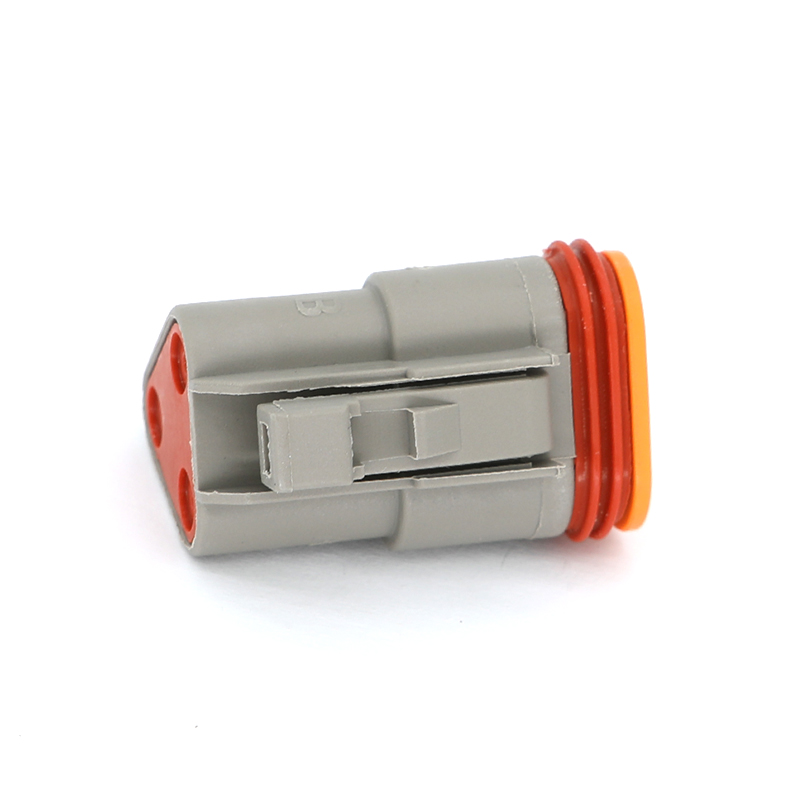
Locking mechanisms integrated into the housing also play a role here, since a connector that isn't fully seated often leaves a gap at the mating face wide enough for water to enter during heavy rain or a pressure wash.
Common Failure Points Compared
|
Failure Cause |
What Typically Happens |
Sealing Feature That Prevents It |
|
Loose wire seal |
Moisture wicks along conductor strands |
Molded silicone wire seal at cable entry |
|
Improper mating |
Gap at connector face lets water in |
Integrated locking mechanism |
|
Corroded terminals |
Oxidation increases resistance over time |
Tin or gold-plated contact surfaces |
|
Cracked housing |
UV or thermal cycling causes brittleness |
Polyamide housing rated for wide temperature range |
|
Salt exposure |
Accelerated corrosion near coastal or winter-road use |
Oxidative-stable housing material |
This comparison shows why a properly engineered auto connector addresses multiple failure paths at once rather than relying on a single sealing feature to do all the work.
Why Oxidation Resistance Matters Long Term
Corrosion inside a connector rarely causes immediate failure; it builds gradually as oxidation increases resistance across the contact surface, which can show up as dimming lights, slow sensor response, or intermittent faults that are difficult to diagnose. A waterproof automotive connector designed with corrosion-resistant plating and a stable housing material slows this process considerably, which matters in regions with road salt exposure or consistent humidity.
Vehicles used commercially, delivery fleets, agricultural equipment, and trailers in particular, tend to see this kind of gradual degradation faster than passenger cars, simply because they log more hours in variable outdoor conditions.
Operating Temperature And Material Behavior
Automotive wiring systems experience temperature swings that few other electrical applications face, often ranging from well below freezing to well above the boiling point of water near engine bays. An auto connector rated across a wide operating range, typically from around -55°C to +125°C, maintains its seal integrity and mechanical strength across that entire span. Housing material matters here too, since polyamide compounds resist the brittleness that lower-grade plastics develop after repeated thermal cycling.
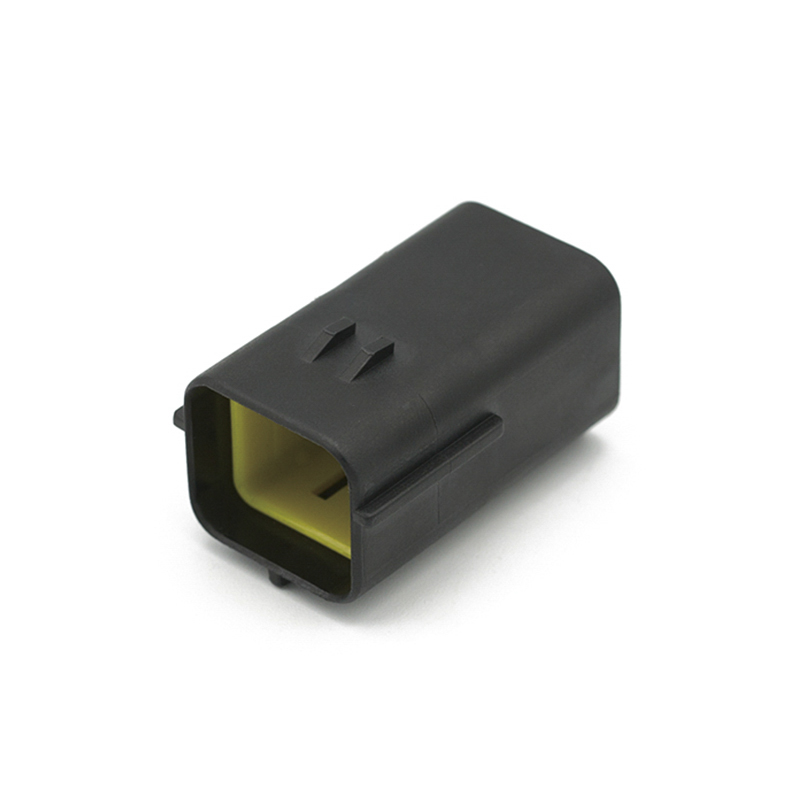
Contact current rating should also match the actual electrical load of the circuit, since running a connector consistently near its upper current limit generates additional heat that accelerates wear on both the seal and the terminal plating.
Selecting The Right Connector For The Application
Not every circuit needs the same level of environmental protection, and specifying a higher-rated auto connector than an application requires simply adds unnecessary cost. Interior wiring circuits shielded from moisture and temperature extremes can often use standard-rated connectors, while anything exposed to the elements, engine bay wiring, exterior lighting, trailer connections, benefits from the fuller sealing and oxidation resistance described above.
Buyers sourcing a waterproof automotive connector for a wiring harness project should confirm pin count, current rating, and IP classification against the actual installation environment before finalizing a purchase, since matching these specifications correctly upfront avoids the intermittent failures and diagnostic headaches that under-specified connectors tend to cause later in a vehicle's service life.