
 English
 русский
 Español
 عربى
عربى 简体中文
简体中文Why trailer wiring loom Fail Outdoors?
A lot of trailer lighting problems are blamed on “bad wires” almost immediately. Tail lights stop working, signal lamps flicker, or brake lights become unstable, and people naturally assume the conductor inside the harness has failed.
In real trailer systems, the wire itself is often not the problem.
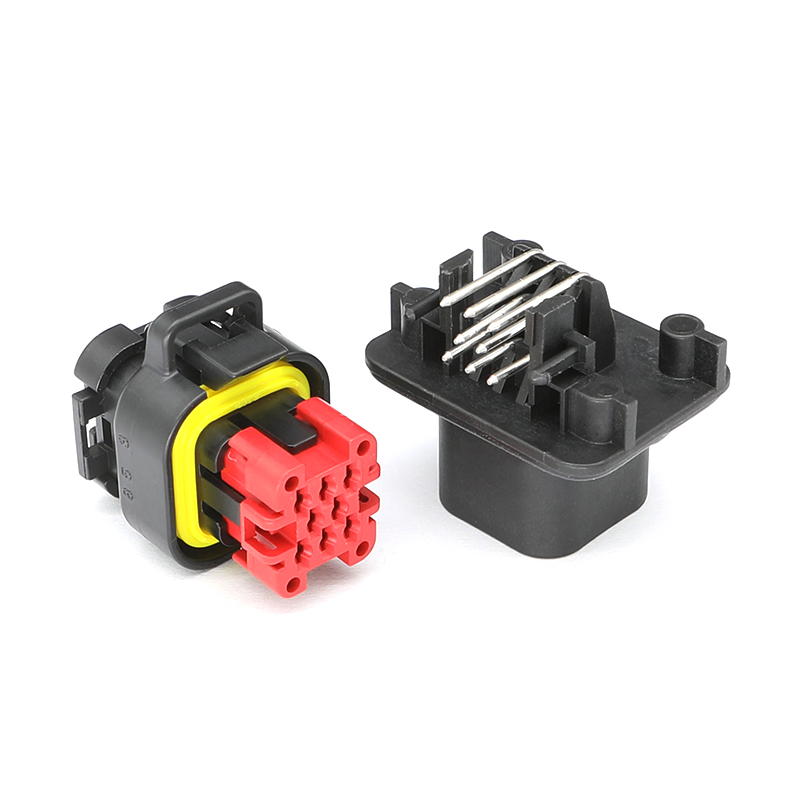
Many failures inside a trailer wiring loom actually begin around vibration points, connector exposure, grounding instability, or moisture intrusion long before the copper conductor becomes damaged.
That difference matters because trailer wiring environments are far harsher than ordinary vehicle interiors.
Unlike protected cabin harnesses, trailer electrical systems spend years exposed directly to rain, road salt, dust, UV radiation, and continuous movement.
Vibration Usually Damages The Weakest Area First
A moving trailer creates constant low-frequency vibration during driving. Over time, the trailer wiring loom experiences repeated stress around mounting points, connectors, and bending sections rather than across straight wire sections.
This is why many failures appear near clamps or entry points instead of in the middle of the cable itself.
In commercial trailers especially, wiring movement becomes difficult to avoid because the harness often passes through:
- suspension areas
- metal frame openings
- trailer hinges
- rear lighting brackets
- towing connection points
If the harness lacks proper strain relief, small conductor fatigue gradually builds inside the insulation.
The damage usually remains invisible from the outside at first.
Grounding Problems Create Misleading Symptoms
Interestingly, a large number of trailer wiring loom problems are actually grounding issues rather than power supply failures.
Corroded grounding points increase resistance slowly over time. As resistance rises, current flow becomes unstable, especially when multiple lighting functions operate simultaneously.
This is one reason trailer lights sometimes behave strangely instead of failing completely.
For example:
- brake lights dimming during turn signals
- flickering side markers
- unstable reverse lights
- intermittent trailer indicators
- random warning messages
Many technicians immediately inspect bulbs or connectors first, but poor grounding often sits quietly behind these symptoms.
Outdoor trailer systems simply expose grounding points to much harsher corrosion conditions than ordinary passenger vehicles.
Water Intrusion Is More Aggressive Than Many Expect
A trailer wiring loom spends lots of its service life close to road spray, mud, and moisture.
Once water enters poorly sealed connectors or damaged insulation areas, oxidation begins gradually around the terminals. The process is usually slow enough that the harness continues functioning temporarily while resistance increases little by little.
This delayed failure makes troubleshooting difficult.
In colder regions, freeze-thaw cycles make the situation worse because trapped moisture expands inside connector cavities repeatedly during winter conditions.
Over time, several issues become common:
- green copper oxidation
- terminal corrosion
- increased contact resistance
- insulation hardening
- intermittent signal failure
This is why waterproof sealing design matters heavily in trailer harness manufacturing.
Good sealing often improves lifespan more effectively than simply increasing wire thickness.
UV Exposure Slowly Changes Harness Flexibility
Unlike interior vehicle wiring, the trailer wiring loom frequently remains exposed to direct sunlight for years.
UV radiation gradually changes the flexibility of lower-grade insulation materials. Once the outer jacket begins hardening, small cracks develop more easily around bending sections.
The problem becomes more serious near towing connection points where the harness moves continuously during turning movement.
Factories producing export trailer harnesses usually test UV resistance carefully because outdoor durability expectations differ heavily between markets.
In hotter climates, insulation aging happens much faster than many users expect.
Connector Stability Matters More Than Copper Purity
Many buyers focus heavily on conductor material specifications when comparing a trailer wiring loom.
Inside actual trailer systems, connector stability often affects reliability more directly than copper purity itself.
A high-quality conductor still performs poorly if the connector loses mechanical stability during vibration exposure.
This is why professional harness manufacturers usually pay close attention to:
- terminal locking force
- waterproof sealing pressure
- contact plating quality
- connector housing rigidity
- strain relief structure
Once connector movement begins, contact surfaces wear gradually during driving vibration.
That mechanical wear eventually increases resistance even before visible corrosion appears.
Routing Position Changes Harness Lifespan
One detail often overlooked during installation is harness routing.
A trailer wiring loom positioned too close to suspension movement or sharp metal edges experiences much higher mechanical stress during driving. Over time, insulation abrasion gradually exposes internal conductors.
This is particularly common in utility trailers and agricultural equipment where harnesses sometimes receive less physical protection.
Professional installers usually avoid:
- unsupported hanging sections
- tight bending angles
- direct exhaust heat exposure
- sharp frame contact points
- excessive harness tension
Small routing mistakes may take years to create visible failure, but they continuously shorten harness lifespan in the background.
Modern Trailers Carry More Electrical Load
Older trailers mainly powered simple lighting systems.
Today’s trailer wiring loom may also support reversing cameras, electric braking systems, refrigeration units, battery charging circuits, and smart monitoring equipment. Electrical demand has increased significantly compared with earlier trailer generations.
As current load rises, connection quality becomes increasingly important.
A slightly unstable terminal that once caused only minor lighting flicker may now create communication errors or charging instability in modern trailer systems.
That is one reason trailer harness design has become much more specialized in recent years.
The wiring itself rarely fails suddenly on its own.
Most long-term problems begin quietly around movement, moisture, vibration, and connection stability long before the conductor actually breaks.