
 English
 русский
 Español
 عربى
عربى 简体中文
简体中文2 Pin Connector: Essential Link in Modern Electronics
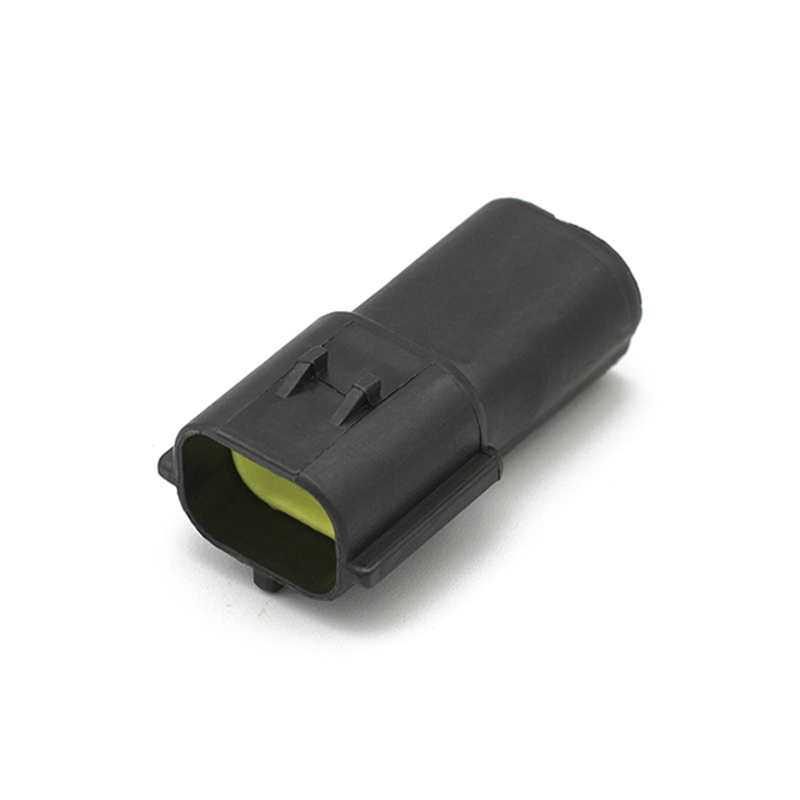
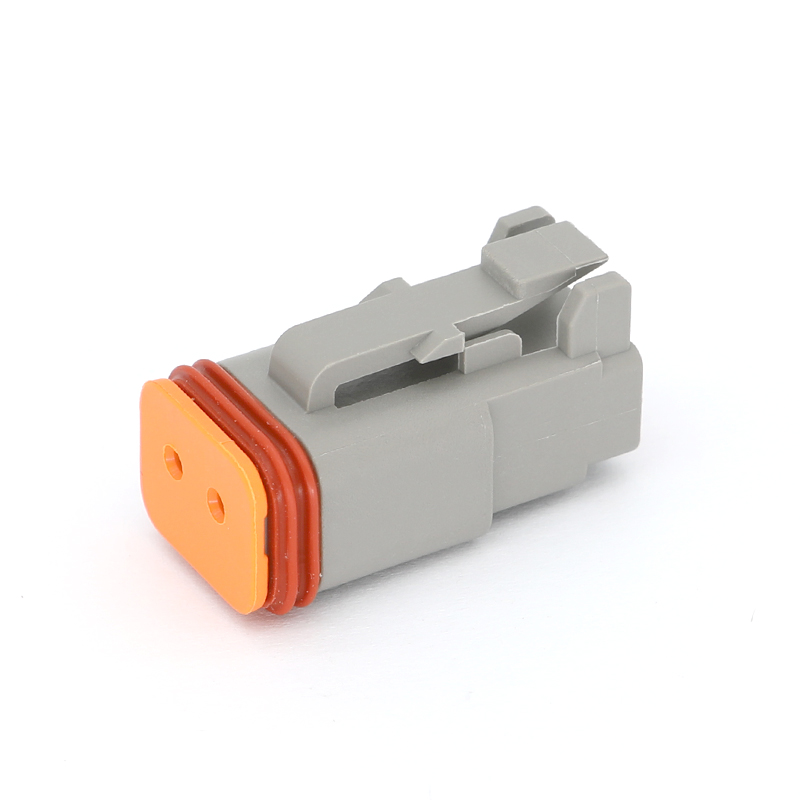
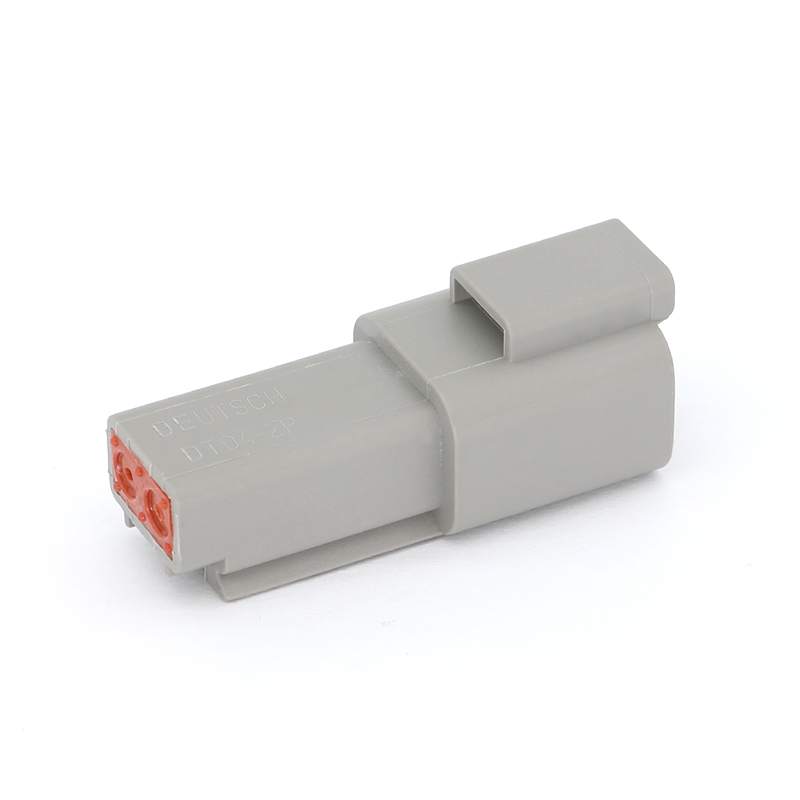
In the vast and intricate ecosystem of electrical and electronic components, few elements are as fundamentally essential yet frequently overlooked as the humble 2 pin connector. This unassuming interface, characterized by its pair of conductive terminals, serves as a critical nexus for power and signal transmission in an astonishing array of devices and systems worldwide. Its design philosophy—rooted in simplicity, reliability, and cost-effectiveness—has cemented its status as a foundational building block in both consumer electronics and industrial applications.
The primary function of a 2 pin connector is to establish a secure, detachable electrical link. This basic capability facilitates everything from delivering operational power to enabling straightforward data or audio connections. The widespread adoption of the 2 pin connector is largely due to its inherent advantages. The two-pin configuration lesss complexity, reducing potential points of failure and simplifying manufacturing and assembly processes. This often translates to a highly cost-effective solution for original equipment manufacturers. Furthermore, the design allows for compact form factors, making the 2 pin connector ideal for space-constrained applications within modern, miniaturized devices.
Standardization has been a key driver in the proliferation of the 2 pin connector. Various international standards define the physical dimensions, spacing (pitch), current ratings, and safety requirements for different types of 2 pin connector designs. This standardization ensures interoperability between power supplies, appliances, and low-voltage gadgets from different manufacturers, fostering a compatible and user-friendly technological environment. Common iterations include the familiar non-polarized 2 pin connector for low-power AC mains applications, as well as numerous specialized DC power connectors that utilize a 2-pin configuration to deliver specific voltages to laptops, monitors, and other peripherals.
The application spectrum for the 2 pin connector is remarkably broad. In the domestic sphere, it is the standard interface for countless small appliances, lamps, chargers, and audio equipment, effortlessly linking devices to wall outlets or external power adapters. Beyond the home, the 2 pin connector is indispensable in sectors such as telecommunications, where it is used in network equipment; industrial automation, for sensors and control modules; and renewable energy, particularly in photovoltaic systems for connecting solar panels. Its role is often that of an enabler—a reliable, no-fuss component that ensures continuity of operation.
Material science and engineering refinements continue to evolve the 2 pin connector. Modern versions utilize high-temperature resistant plastics for housings and employ precision-machined, corrosion-resistant contacts made from materials like phosphor bronze or brass, often plated with gold or tin to ensure ideal conductivity and longevity. Safety remains a paramount concern, with designs incorporating features such as shrouded pins, polarization keys (in some variants), and robust insulation to prevent accidental short circuits and electric shock, adhering to stringent global safety certifications.
The 2 pin connector embodies an elegant principle of engineering: up to utility through smallistic design. It demonstrates that technological significance is not solely defined by complexity. By providing a dependable, standardized, and efficient means of connection, the 2 pin connector performs a silent but indispensable role in powering the functionality of the modern world, proving that sometimes, two points of contact are all that is needed to create a vital link.