
 English
 русский
 Español
 عربى
عربى 简体中文
简体中文Automotive Wiring Plugs Depend on Sealing and Pin Contact Quality
An engine bay puts electrical connections through conditions that ordinary industrial equipment never faces — constant vibration, temperature swings from freezing mornings to a hot engine block, and exposure to road spray and grease. Producing Automotive Wiring Plugs that hold a stable connection through all of that requires manufacturing discipline that goes well beyond stamping a pin and molding a housing around it.
Sealing Design Starts With the Grommet, Not the Housing
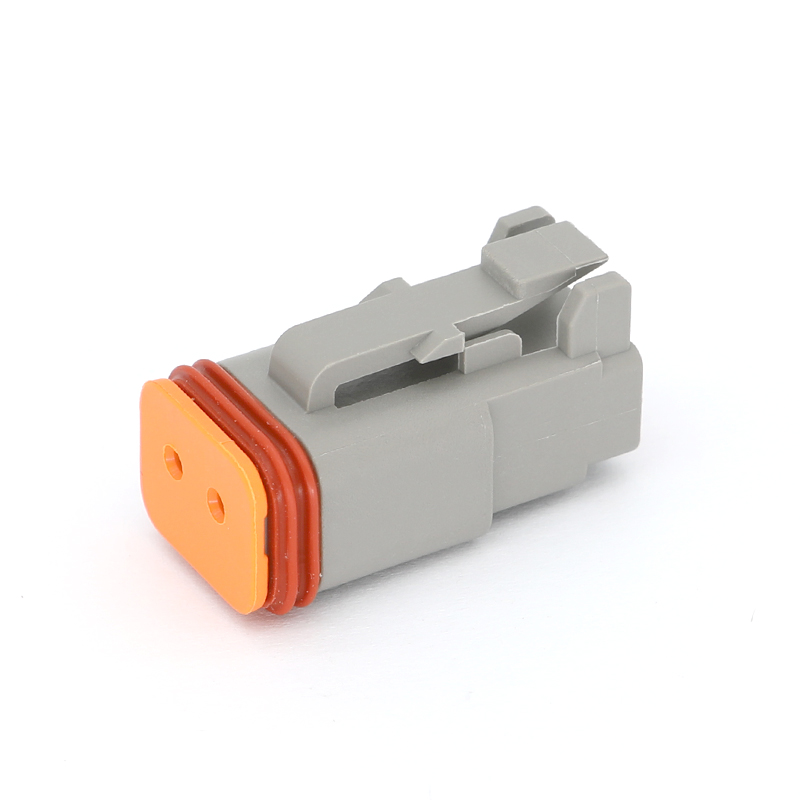
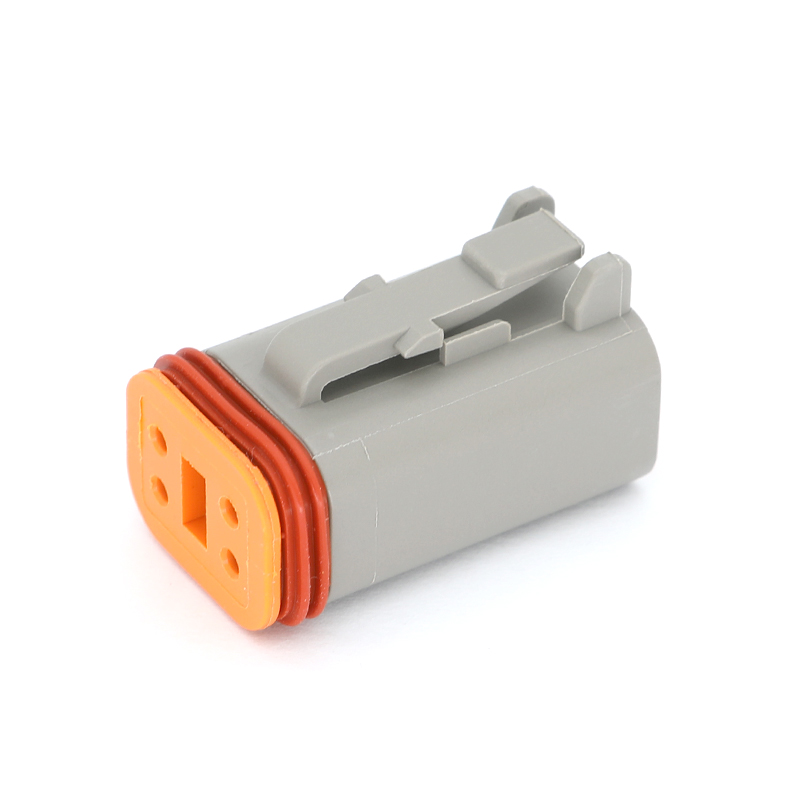
Waterproofing on Automotive Wiring Plugs depends heavily on the rubber seal fitted around each wire entry point, and this component gets less attention in buyer conversations than the connector housing itself despite doing much of the work against moisture ingress. A grommet compounded from the wrong rubber formulation can harden and crack after repeated heat cycling, creating a leak path that wasn't present when the connector left the factory. Manufacturing teams building for automotive-grade sealing typically validate grommet compression set under accelerated aging conditions, checking that the seal still recovers its shape after extended exposure to elevated temperature rather than testing only at room temperature.
Pin Plating Determines Long-Term Contact Resistance
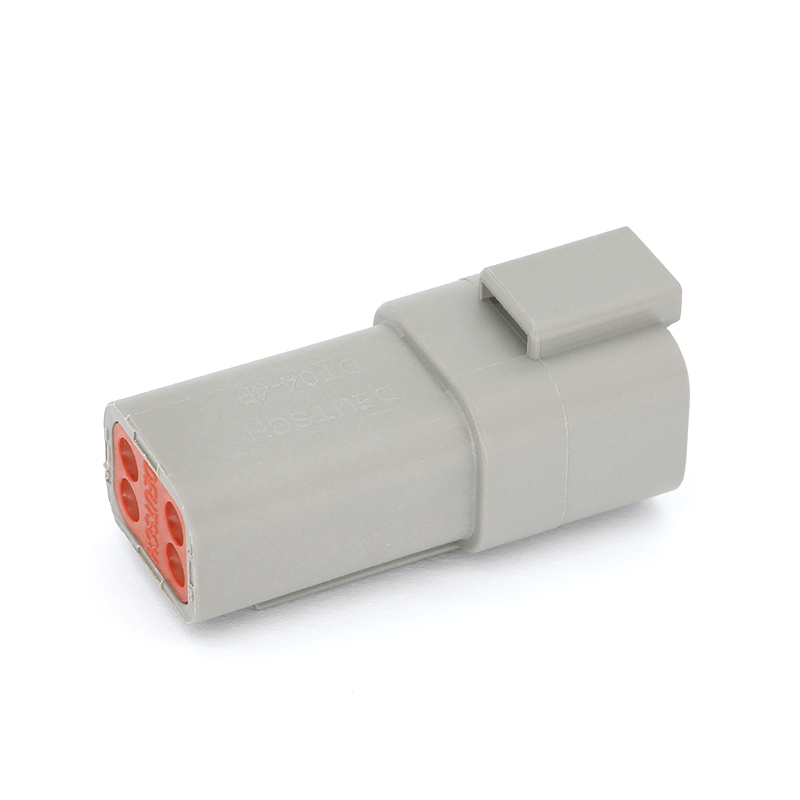
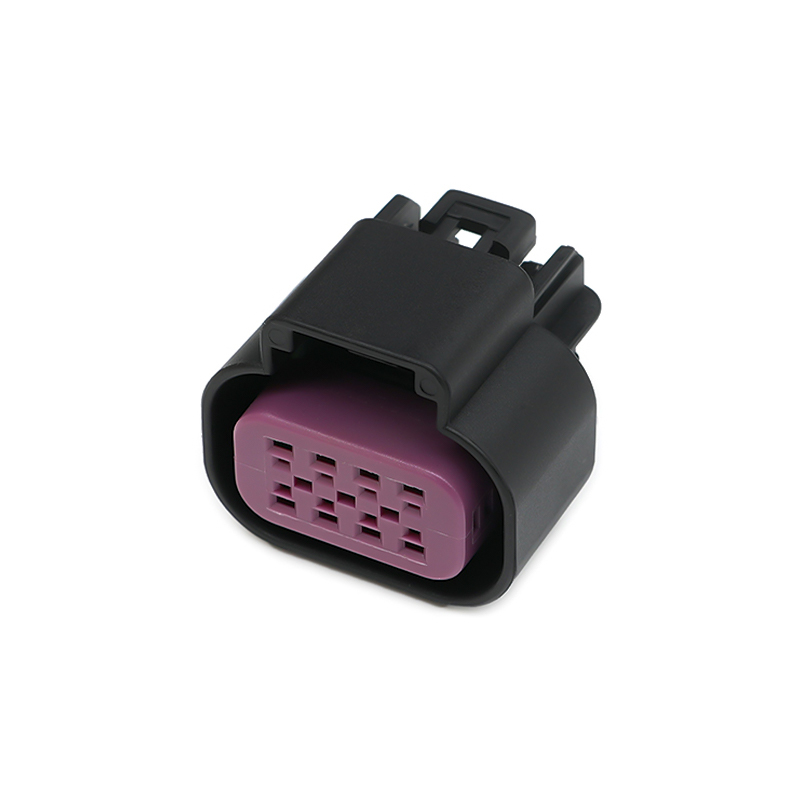
The contact surface inside an automotive-grade connector experiences repeated thermal expansion and contraction as engine temperature cycles, and pin plating has to hold up to that mechanical stress without developing the kind of surface degradation that raises contact resistance over time. Tin plating remains common for cost-sensitive Automotive Wiring Plugs, while gold-flash plating over nickel suits higher-reliability pin terminal connector circuits carrying sensor or control signals where even small resistance increases can affect signal accuracy. Production lines running both plating types need separate process controls, since plating thickness and bath chemistry differ enough between tin and gold processes that mixing them on shared equipment risks cross-contamination.
Comparing Sealing Approaches by Application
|
Sealing Approach |
Protection Level |
Typical Application |
|
Single-Lip Grommet |
Moderate |
Interior cabin wiring |
|
Double-Lip Grommet |
High |
Engine bay, underbody |
|
Silicone Gasket Housing |
High, wide temperature range |
High-heat zones near exhaust |
|
Non-Sealed Connector |
Minimal |
Dry indoor equipment only |
Buyers specifying connectors for engine-bay or underbody locations should confirm sealing grade explicitly, since a supplier's general "waterproof wire connector" claim doesn't indicate which of these approaches was actually used.
Terminal Crimping and Wire Retention
A properly crimped terminal on an automotive wiring plug needs consistent conductor compression across the full production run, since an under-crimped terminal creates a weak mechanical and electrical connection while an over-crimped terminal can nick individual wire strands and reduce the conductor's effective cross-section. Crimp height and pull-force testing on sample terminals from each production batch catches drift in crimping tool calibration before it affects a full order, which matters more for Automotive Wiring Plugs than for less demanding applications given the vibration these connections withstand over a vehicle's service life.
Certification Requirements for Export Production
Buyers importing Automotive Wiring Plugs as part of a broader automotive wiring harness program for OEM or aftermarket distribution typically request RoHS compliance documentation alongside ISO 9001 quality management system certification covering the production facility. SGS testing reports covering material composition and mechanical performance give buyers additional documentation to satisfy their own compliance obligations to vehicle manufacturers or regulatory bodies, particularly for connectors used in safety-relevant circuits like lighting or airbag systems.
Customization and Bulk Supply Planning
OEM buyers building a custom OEM wiring harness program often need specific pin counts, housing colors for wire identification, or mounting tabs matched to an existing vehicle platform. Factories running dedicated tooling for Automotive Wiring Plugs can typically accommodate these adjustments without a full mold redevelopment, provided the pin spacing and housing footprint stay within the range the existing tooling supports. Buyers should confirm order quantities per custom configuration early in sourcing discussions, since a request that falls outside standard tooling parameters can shift both time and per-unit cost significantly once a full production run is scheduled.