
 English
 русский
 Español
 عربى
عربى 简体中文
简体中文Electronic Terminal Block Design for Stable Connector Assembly
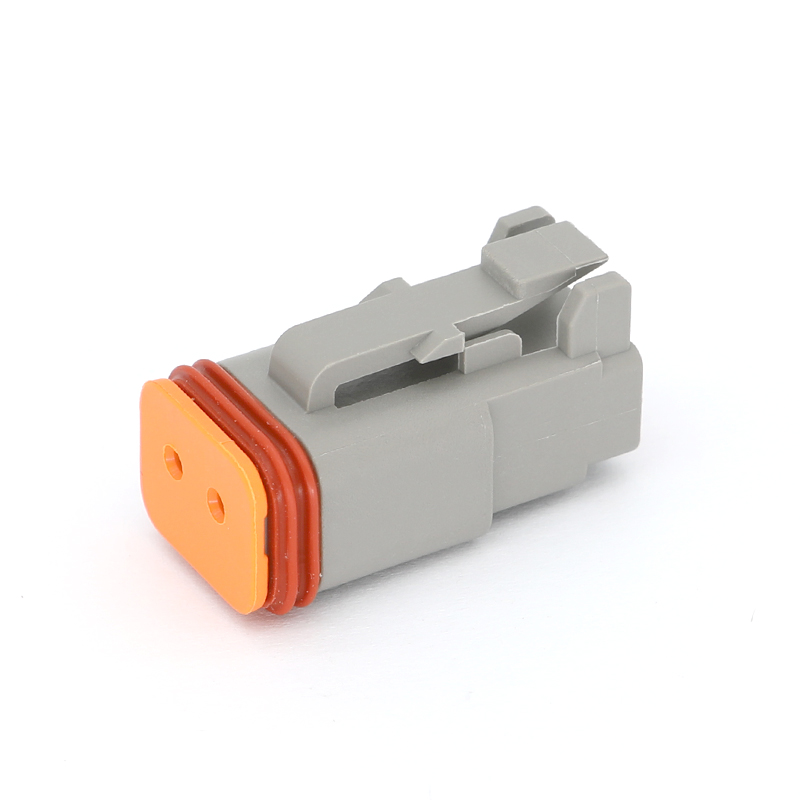
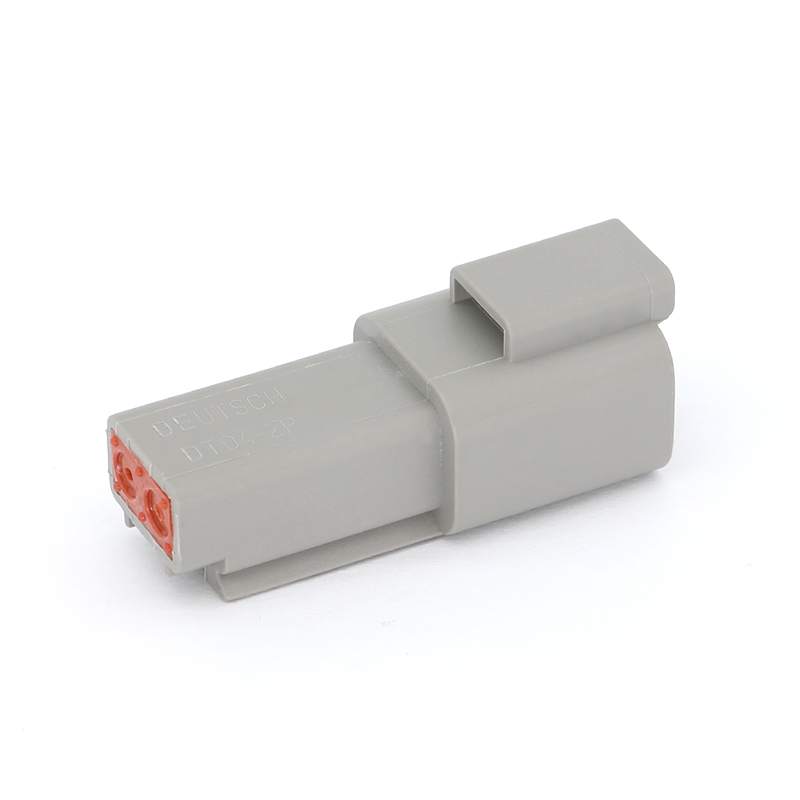
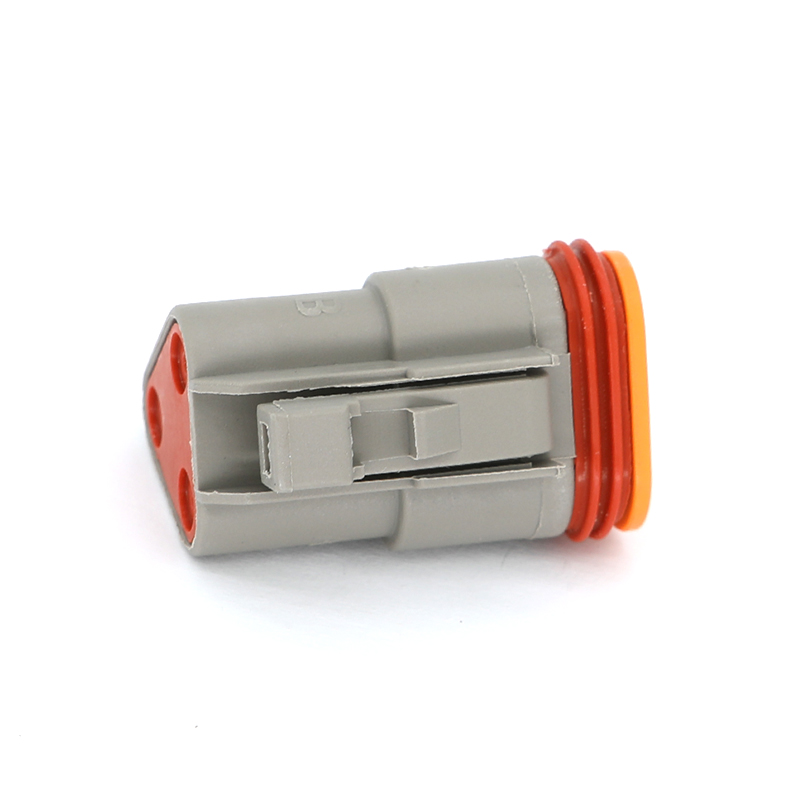
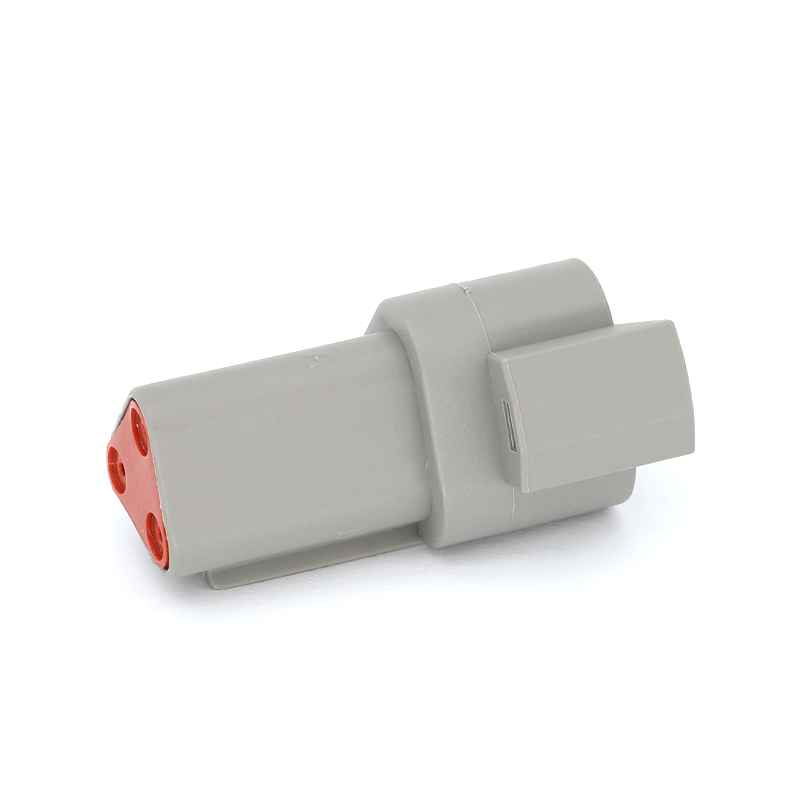
Electrical connection systems depend on more than the visible connector housing. Inside the assembly, the terminal block provides the physical interface between conductive elements and the surrounding connection structure. Small changes in terminal position, housing geometry, or mating alignment can affect how components fit together during assembly. For B2B buyers, these details become important when sourcing Electronic Terminal Block products for repeated production or integration into an existing connector system.
For Wenzhou Lizone Connector Co., Ltd., terminal and connector production is supported by precision mold manufacturing and product development. The company produces electrical connectors, connecting terminals, wiring harnesses, fuse boxes, and related components, giving buyers access to several product categories within the same manufacturing system.
Terminal Geometry Controls Assembly Position
An Electronic Terminal Block needs to maintain a defined position inside its corresponding connection structure. The terminal itself may be small, but its dimensional relationship with the housing, wire, and mating component determines whether the finished assembly can be produced consistently.
During connector manufacturing, mold design becomes important because the housing must hold the conductive elements in their intended locations. If positioning features vary between production batches, downstream assembly can become harder to control.
For this reason, manufacturers need to consider cavity dimensions, locating structures, insertion points, and the relationship between terminal and housing during product development. These details become particularly relevant when a buyer needs a component that integrates with an existing wiring system rather than a completely independent connector.
Mold Precision Supports Repeatable Production
The production of an Electronic Terminal Block involves more than assembling finished components. The surrounding connector structure may require injection molding, while conductive terminal components require metal forming or related precision processes. These stages need to work together because the final assembly depends on the dimensional relationship between different materials.
Lizone's official product information identifies precision mold manufacturing and new product development as part of its manufacturing capabilities. Its connector components are also described as being produced with controlled tolerances for compatibility and functionality.
|
Manufacturing Stage |
Key Control Point |
B2B Relevance |
|
Mold development |
Cavity and locating dimensions |
Establishes repeatable housing geometry |
|
Terminal forming |
Contact and connection shape |
Supports consistent component assembly |
|
Housing molding |
Material filling and finished dimensions |
Maintains terminal positioning |
|
Component assembly |
Terminal-to-housing alignment |
Reduces variation between finished units |
|
Batch inspection |
Dimensions and appearance |
Helps maintain consistency across shipments |
A buyer evaluating an Electronic Terminal Block supplier can therefore look beyond the finished appearance and examine whether the manufacturer controls the tooling and production stages behind the component.
Connector Components Need Coordinated Fit
A terminal does not work independently. It interacts with housings, seals, clips, wires, and other connector components within the finished electrical system. Lizone's connector component range includes aluminum boxes, tail clips and back caps, mounting clips, rubber seals, blank plugs, and wire sleeves.
This broader component range can be useful when buyers are developing or sourcing a complete connection assembly. Instead of treating each small component as an isolated purchase, procurement teams can review how the parts work together during installation and final assembly.
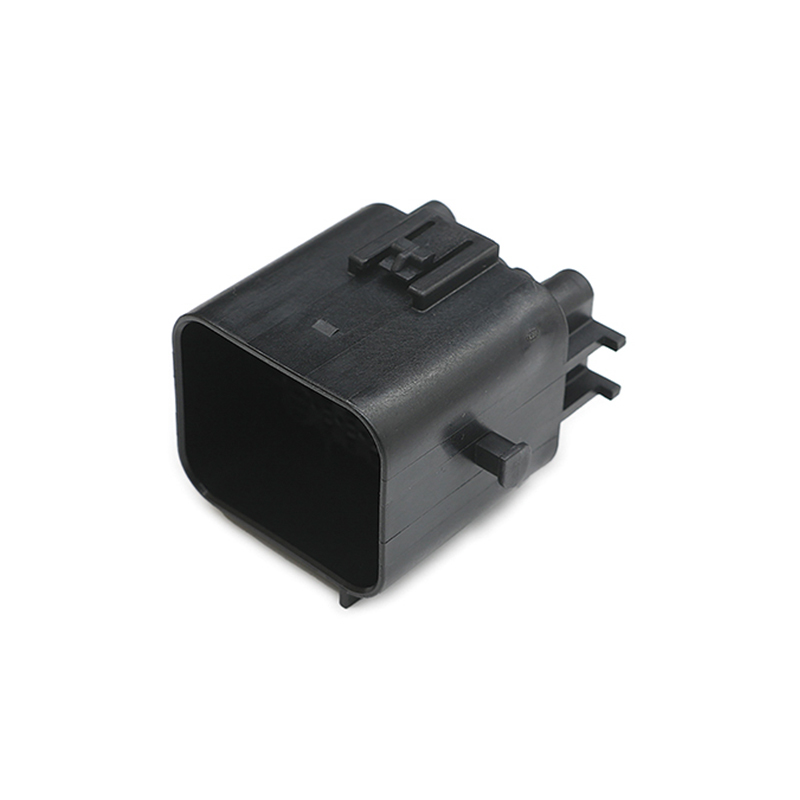
For an Electronic Terminal Block, this approach places greater attention on dimensional relationships. Terminal location, housing structure, cable entry, retention features, and protective components may all need to correspond with the customer's existing assembly design.
Custom Development Supports Different Connector Structures
Standard connector products can cover common requirements, but industrial customers may also need modified dimensions, different connection arrangements, or components developed around an existing drawing. Lizone states that its engineering and technical teams support customized connector components according to customer requirements.
For an Electronic Terminal Block, customization can involve more than changing the external appearance. Buyers may provide drawings, samples, dimensional requirements, or assembly conditions for evaluation. The manufacturer can then review the component structure together with the required tooling and production process.
This type of development is particularly relevant to equipment manufacturers and wiring-harness suppliers that need components to fit a defined assembly rather than simply adding a generic part to their inventory.
Batch Consistency Matters After Tool Development
Once a terminal structure has passed sample evaluation, production consistency becomes a separate concern. A component that performs correctly during prototype development still needs stable dimensions and appearance across larger quantities.
Quality control therefore needs to continue through production. Lizone states that its connector-component manufacturing includes quality-control procedures from material sourcing through final product testing, together with ISO 9001 and RoHS compliance for its connector components.
For overseas buyers, this production approach can support bulk sourcing where hundreds or thousands of components may need to maintain the same assembly characteristics. Inspection records, approved samples, dimensional requirements, and packaging specifications can also be incorporated into the order process.
The Electronic Terminal Block should therefore be evaluated as part of a complete manufacturing chain rather than as a standalone small electrical component. Tooling capability, component coordination, customization support, and batch inspection all contribute to whether the finished part can integrate consistently into the buyer's connector or wiring system.