
 English
 русский
 Español
 عربى
عربى 简体中文
简体中文How Does New Energy Car Connector Fit Different Circuits?
The electrical architecture of a vehicle is no longer built around a small number of simple wiring connections. More sensors, control modules, auxiliary systems, and power-related circuits are being integrated into new energy vehicles, creating different requirements for connector design. A new energy car connector therefore needs to be selected according to the circuit rather than treated as a universal plug. Pin count, wire gauge, current capacity, sealing, locking structure, and mounting method all affect whether the connector can fit a particular harness.
Pin Count Follows Circuit Complexity
A new energy car connector can have very different configurations depending on the number of circuits that need to be carried through one connection point. Simple sensor or auxiliary circuits may use only a few positions, while control units can require connectors with substantially higher pin counts.
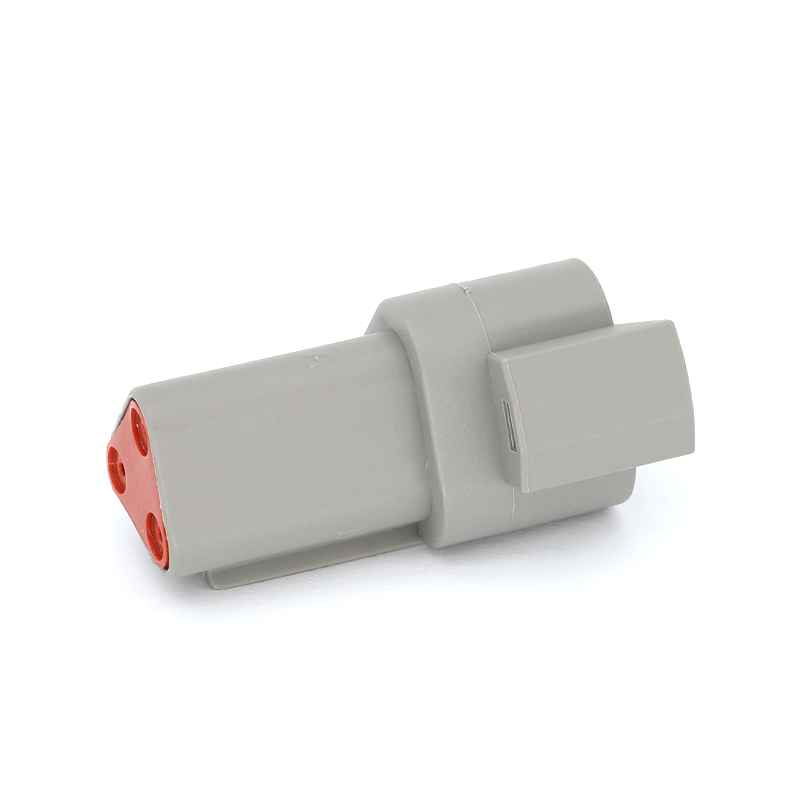
This difference changes more than the physical size of the housing. Increasing the number of terminals also affects internal spacing, terminal arrangement, wire routing, and the way the connector is assembled into a harness. Lizone's automotive connector range covers configurations from single-pin and multi-pin designs through connectors with more than 60 positions, reflecting the variation found in vehicle electrical systems.
For a harness manufacturer, matching the connector to the circuit early in the design process can prevent unnecessary changes to wire routing and terminal layout later in production.
Wire Gauge and Current Rating Need to Match
The relationship between terminal size and wire gauge is another practical consideration. A new energy car connector designed around a small signal circuit does not necessarily suit a circuit carrying a higher current.
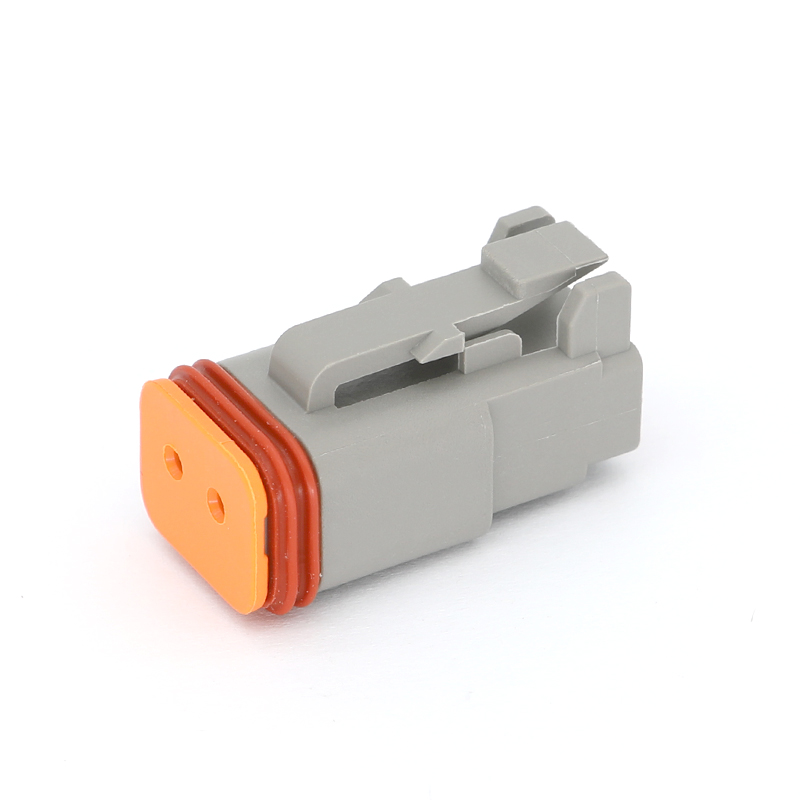
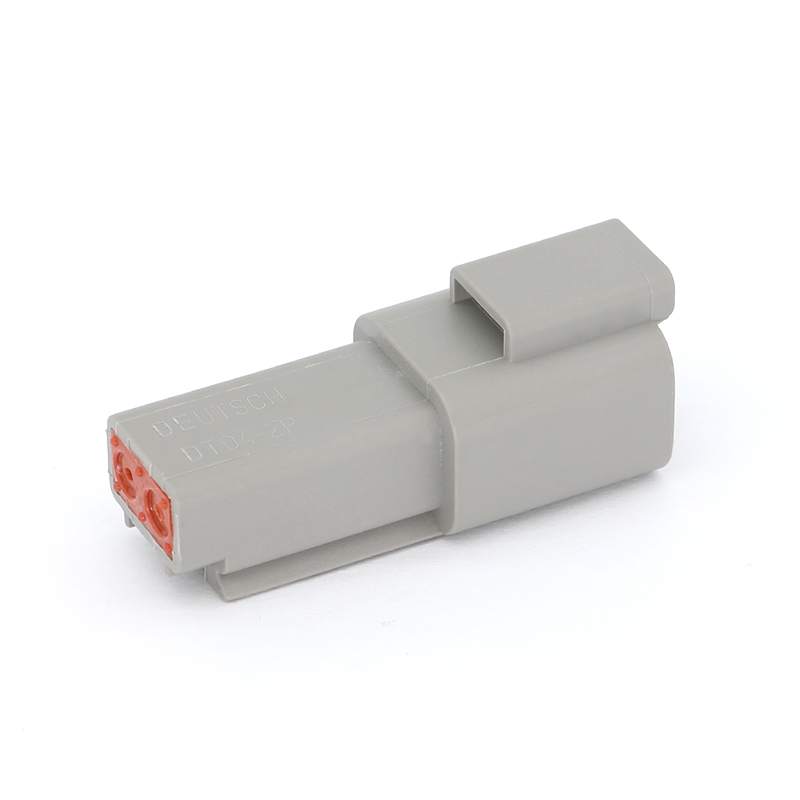
Lizone's automotive connector examples show different wire-gauge ranges and current ratings across connector configurations. Some 2-pin products, for example, are specified for 10–14 AWG or 14–20 AWG wires depending on the connector design, while their current ratings also differ.
This is why connector selection cannot rely on pin count alone. Two connectors with the same number of positions may have completely different electrical characteristics because of terminal dimensions, contact structure, housing material, and intended circuit.
Sealing Becomes Part of the Connection
Vehicle connectors are exposed to conditions that indoor electronic equipment does not normally encounter. Moisture, dust, vibration, temperature changes, and contamination can all affect an electrical interface.
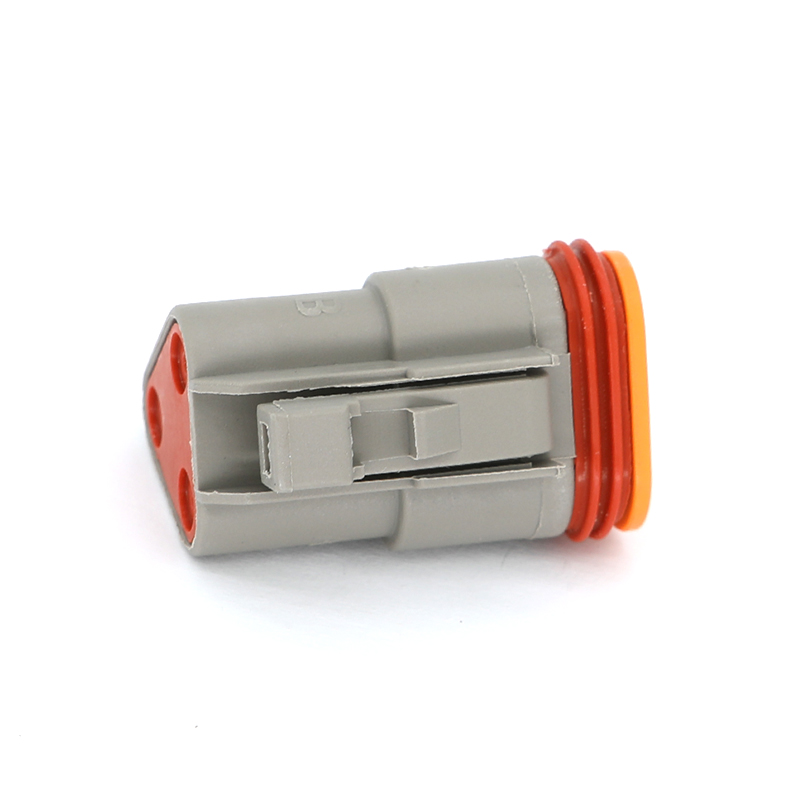
A new energy car connector used in an exposed area therefore needs an appropriate sealing structure. Lizone's automotive connector products include examples with IP68 and IP6K9K protection ratings, along with integrated locking mechanisms.
The sealing system also has to work together with the terminal and housing. A connector is not effectively protected simply because its outer shell is made from a durable plastic. The mating interface, wire entry point, seals, and locking structure all contribute to the finished connection.
Locking Structure Supports Harness Stability
Once a connector is installed into a vehicle harness, accidental separation becomes a practical concern. Vibration and repeated movement can place mechanical stress on the mating interface, particularly where the harness is routed near moving or vibrating components.
A new energy car connector may therefore incorporate an integrated housing lock or terminal locking structure. Different designs use different locking arrangements according to their application and housing configuration. Lizone's product range includes both integrated housing locks and terminal-based locking structures.
For assembly operations, the locking mechanism also affects insertion feedback and serviceability. A secure connection still needs to be assembled consistently on the production line.
|
Selection Factor |
What Needs to Match |
Why It Matters |
|
Pin count |
Number of circuits |
Determines terminal arrangement |
|
Wire gauge |
Cable specification |
Matches electrical load |
|
Current rating |
Circuit requirement |
Supports proper contact performance |
|
Sealing |
Installation environment |
Protects the connection |
|
Locking structure |
Harness movement and assembly |
Helps maintain mating stability |
|
Mounting style |
Vehicle layout |
Determines installation position |
Connector Geometry Has to Follow Harness Layout
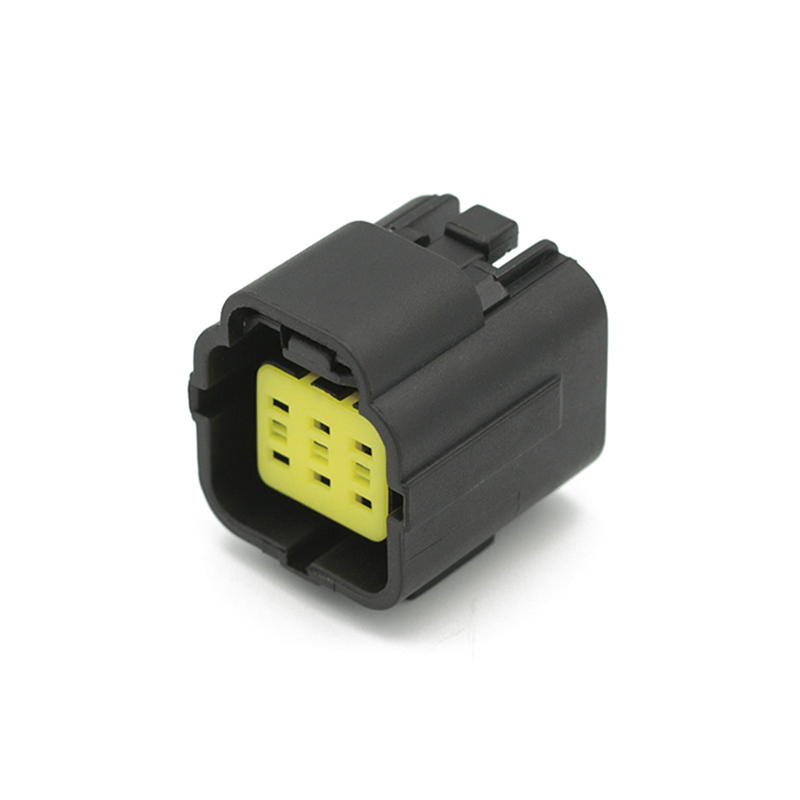
A new energy car connector also has a mechanical role in the wiring harness. Cable-mounted and free-hanging connectors may be suitable for different harness sections, while mounting features can determine how the connector is fixed inside the vehicle.
Lizone produces automotive connectors using different mounting styles, termination methods, housing materials, and terminal configurations. Its product range also includes wiring harnesses and connector components such as rubber seals, blank plugs, mounting clips, and back caps.
For B2B connector sourcing, these details are useful because the electrical specification is only one part of compatibility. The connector must also correspond with the harness construction, installation space, environmental conditions, and assembly process.
As vehicle electrical systems become more varied, the role of a new energy car connector is increasingly tied to the specific circuit and harness in which it is installed. Pin configuration, wire gauge, sealing, locking, and mounting geometry need to be considered together rather than evaluated as isolated specifications.